






Traveling Is Hard, Traveling With a Disability Is Harder, Says Accessible Tourism Startup CEO
Israel-based Travaxy offers an online service that lets people with various disabilities book flights, hotels, and even wheelchairs, crutches, and other mobility aids that will wait for them at their destinations
13:3725.08.19
Traveling can be a hard and exhausting experience for anyone, but for those with disabilities, it is profoundly more difficult and expensive, according to Lioz Amar, founder and CEO of Israel-based startup Travaxy Ltd., which offers tourism services for people with disabilities or special needs.
Amar, who founded Travaxy in 2016, became wheelchair-bound after sustaining an injury during his military service. Based in northern Israeli town Ramat Yishai, the company offers an online service that lets people with various disabilities book flights, hotels, and even wheelchairs, crutches, and other mobility aids that will wait for them at their destinations. The service was officially launched last month and currently caters to people traveling to Tel Aviv, New York, Amsterdam, Berlin, and Barcelona.
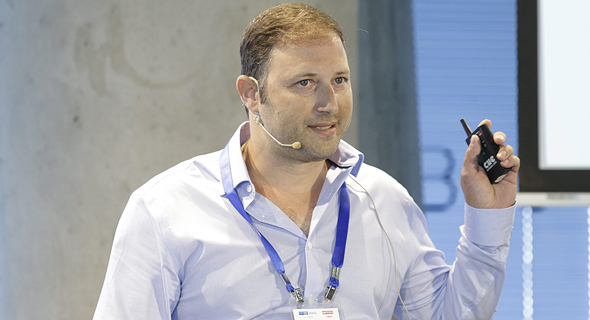
Travaxy founder and CEO Lioz Amar. Photo: Amit Sha'alצילום: עמית שעל
Related articles
Accessibility is almost an empty phrase in the tourism industry, Amar said: every hotel has its own standard and no disability is exactly like another. “For example, a hallway that a manual wheelchair could easily pass through is not necessarily wide enough for an electric wheelchair.”
People who use Travaxy can fill out specific requirements—from people who are wheelchair-bound to those with food allergies—and the system automatically filters accommodation and travel options according to their needs. Travaxy also double-checks directly with service providers that they are able to meet these needs.
Travaxy has raised around $480,000 on equity-based crowdfunding website ExitValley from investors including Israeli luxury nursing home chain Mediterranean Towers Ltd., which put in over half the amount in exchange for a 10% stake in the company. Now, the company is looking to raise an additional sum of $2 million, in order to hire more people and expand its global reach, Amar said. In the future the company intends to further automate the system so that human confirmation of accessibility needs with service providers will not be necessary, he added.
