











“The US power sector is going through a massive transformation”
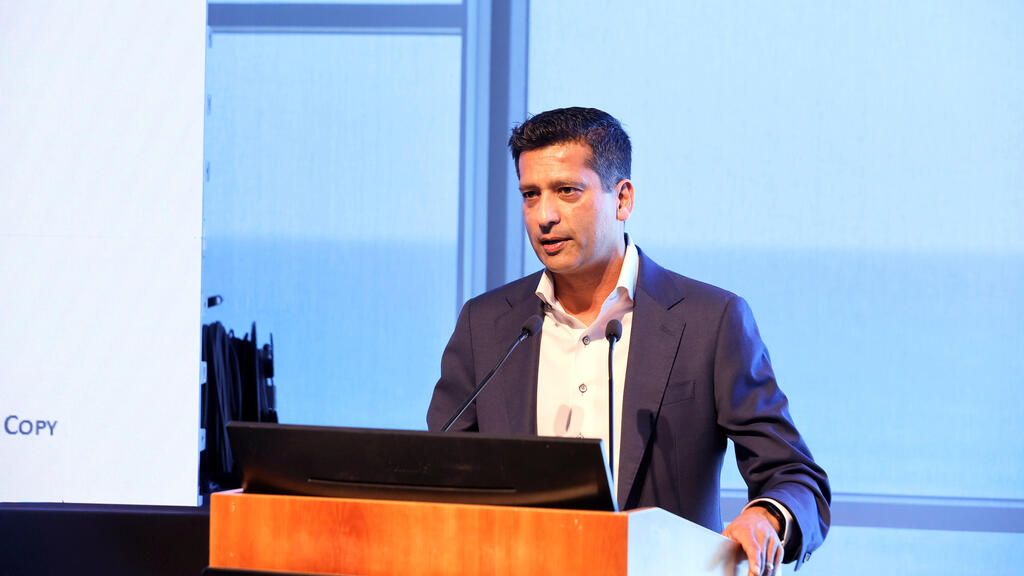
Darpan Kapadia, COO of LS Power, spoke at the Israel Private Markets Summit (IPM) at the Peres Center for Peace and Innovation in Tel Aviv. “Electricity demand in the US is growing at the fastest pace in decades.”
“The U.S. power sector is going through a massive transformation. said Darpan Kapadia, COO of LS Power, a premier development, investment, and operating company focused on the American power and energy infrastructure sector, at Leader Capital’s Israel Private Markets Summit (IPM) at the Peres Center for Peace and Innovation in Tel Aviv. “Demand is rising faster than we've seen in decades, and there are two powerful forces. The digital revolution and the energy transition which are on a collision course, and the implications and the resulting investment opportunities are unlike anything I've ever seen in my career, and I've been doing this for 20 years.”
A strategic investor in the U.S. power sector, LS Power was founded in 1990. In 2005, the company got into the acquisition business. “We raised our first infrastructure fund that year and we're currently deploying our fifth fund, and we've raised over $13 billion. We've grown from 30 employees to over 400 employees.”
Kapadia described why electricity demand is rising and why supply is struggling to keep up. “Today power demand is expected to grow at rates we've never seen before as AI penetrates and data centers proliferate. This is a new thing. Historically, electricity demand in the United States has been pretty highly correlated with GDP growth, but that started breaking down years ago as the economy became more services oriented and less manufacturing oriented, and yet energy efficiency programs gained steam. Now after 20+ years of near zero demand growth, U.S. power demand is expected to grow by approximately 26% between now and 2030. That's about 3 to 4% annually. In our business, that's a big deal. The explosion of activity tied to AI and data centers has led to a spending arms race.”
“Like funding a US Apollo space program every 16 months”
According to Kapadia, combined CapEx from just Amazon, Microsoft, Alphabet, and Meta is expected to increase from $300 billion to $400 billion per year over the next 5 years. “It's like funding a U.S. Apollo space program every 16 months in today's dollars. And that scale of investment translates directly into tens of gigawatts of additional demand each year, driving higher utilization across the grid. Capacity factors across all generation projects will increase, and new supply will be needed to balance the market. Importantly, much of this new demand is 24/7.”
“Gas alone isn't going to fill the gap”
“Given current capital costs, in order to incent this new generation to come into the market, wholesale power prices need to be materially higher, at least 30% higher than where they are today. Therefore, if you can buy existing gas generation at prices less than today's new build costs, you're going to overrun on that capital, buying down your bases materially before the new entrants eventually arrive. So given these hurdles, gas alone isn't going to fill the gap. We're going to need more renewables as well, but recent federal policy changes are slowing greenfield development and raising the cost of new solar and wind projects. Certain tax credits are getting phased out, and the federal government is not making it easier to get permits to build.
“We have to take a comprehensive approach to both supply and demand side solutions to balance the market. Reliability, let alone energy dominance, will require more of everything in the United States: more thermal generation and storage for firm capacity, more renewables for clean, low cost energy, more transmission to move it all around, and more distributed resources and energy efficiency platforms to reduce the strain on the system. And if it's already built, operating and well positioned, the market will come to you.
“Construction costs are high and the capital required runs into the hundreds of billions, so that creates a durable investment opportunity to buy essential operating projects, selectively build new ones, and scale distributed energy platforms that ease pressure on the system.”



