











Navan shares plunge again, extending post-IPO selloff
The Israeli travel-tech firm’s stock has fallen 35% since its Nasdaq debut, as investors question timing and debt-driven listing.
Navan’s disappointing market debut continued to weigh on investors Monday, with shares of the Israeli corporate travel and expense management platform dropping 15% as trading resumed, extending last week’s 20% plunge.
The continued slide adds to pressure on the company only days after its $923 million initial public offering on Nasdaq, the largest by an Israeli firm this year, and suggests that investor unease over its timing, debt levels, and valuation has yet to ease.
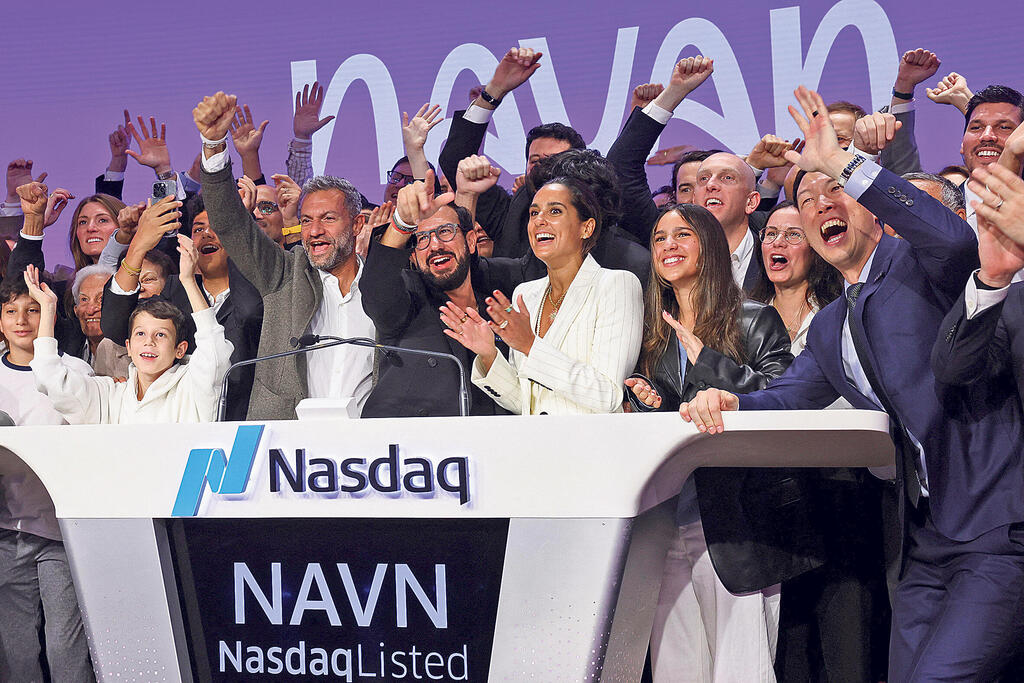
Navan went public last Thursday at a $6.2 billion valuation, backed by underwriters Goldman Sachs, Citi, Morgan Stanley, and Jefferies. Yet the company’s IPO quickly faltered despite buoyant broader markets and a surge in technology stocks.
The shares were priced at $24, the midpoint of their $23-$26 range, signaling steady but limited demand during the roadshow. They closed their first day down 20%, erasing more than $1 billion in market value and finishing the week at $20, about a third below the $9.2 billion valuation achieved in its last private round in 2022.
Navan had once hoped to list at roughly twice its final valuation, but early investor caution and an unusually complex listing process appear to have muted enthusiasm.
Despite one of Wall Street’s strongest weeks in years, Navan stood alone as the only company to complete an IPO. Most others delayed offerings amid the ongoing U.S. government shutdown, which has largely frozen operations at the Securities and Exchange Commission.
Navan was able to list under an exemption allowing companies to go public without final SEC approval, provided filings are submitted 20 days in advance. The company may still be subject to retroactive regulatory review once the shutdown ends, a lingering procedural uncertainty that some investors see as a risk.
Founded by Ariel Cohen and Ilan Twig, Navan has built an integrated platform covering nearly every aspect of corporate travel, from booking and payments to expense management, while expanding into “bleisure” travel that blends business and leisure. The company says its technology helps clients reduce travel costs by about 15%, with half of service requests now handled by AI rather than human agents.



