









Sequoia’s Shaun Maguire says Israel risks losing “a war it can’t see”
“Missiles can be intercepted. Narratives can’t,” he argues, calling for major investment in AI-driven influence operations.
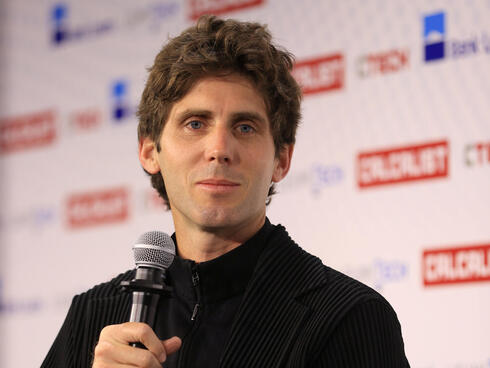
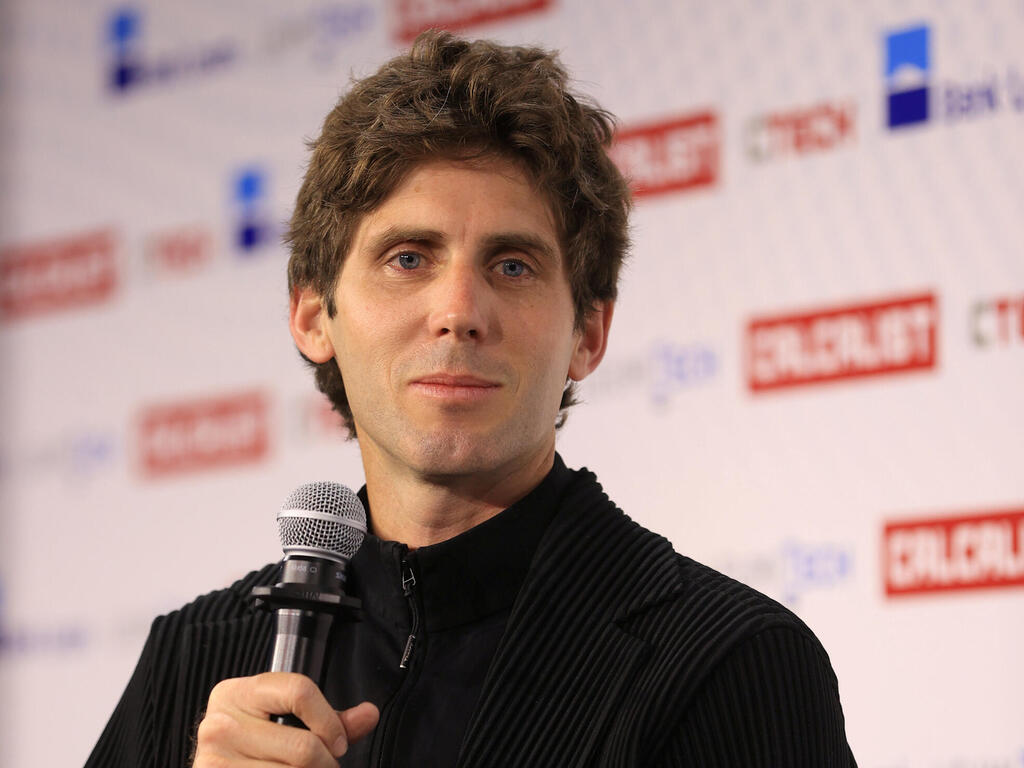
Shaun Maguire, Partner at Sequoia Capital, offered a stark assessment of what he described as a decades-long information war waged against Israel. In a fireside chat at the International DefenseTech Summit in Tel Aviv moderated by Entrée Capital co-founder Avi Eyal, Maguire traced the origins, evolution, and renewed urgency of global disinformation efforts targeting the country.
Maguire asserted that the campaign began in 1968, when the KGB orchestrated an international initiative to delegitimize Zionism and cast Israel as an aggressor after its victory in the Six-Day War. “Most people don’t realize the KGB put 85 percent of its resources into disinformation,” he said, arguing that the Cold War-era machinery established at the time was “never dismantled, just reactivated.”
He identified Iran, Qatar, and China as leading actors sustaining or reviving disinformation strategies, highlighting Qatar’s Al Jazeera as an example of a long-running effort that built global credibility before using its influence on issues of strategic interest.
Despite facing what he described as a persistent and coordinated campaign, Maguire argued that Israel has historically underinvested in its own information-warfare capabilities. He outlined what he called a “Maslow’s hierarchy of defense,” suggesting Israel focused first on physical and kinetic security, reaching a level of sophistication that only now enables it to prioritize influence operations, AI-driven analysis, and narrative infrastructure.
Related articles:
“The future of information warfare is AI,” Maguire said. “If Israel doesn’t build its own engines, defensive and offensive, it will be outmaneuvered in a war it can’t see but is already in.”
Maguire urged Israeli leadership to develop long-term influence capabilities, craft narrative institutions comparable to those operated by regional adversaries, and avoid reactive communication strategies that emerge too late to shape global opinion. He emphasized that the decisive period in modern conflicts often occurs in “the first two weeks,” where global narratives solidify.
“Missiles can be intercepted. Narratives, if left unchecked, can’t,” he said.
He called for a 10- to 20-year national strategy on disinformation, arguing that perception now rivals physical firepower in determining outcomes in the geopolitical arena.



