







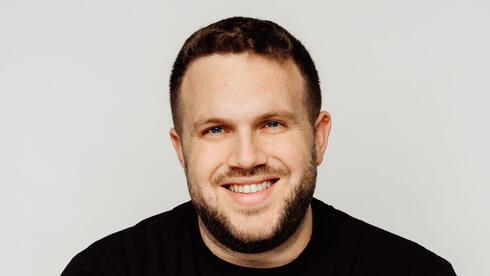



"We are able to understand what drives cancer. This changes the entire course of the disease"
Dr. Ezra Cohen, Chief Medical Officer of Oncology at Tempus, explains how large-scale genomic data and AI are reshaping cancer diagnosis, treatment decisions, and the future of personalized medicine.
At the beginning of his career, Dr. Ezra Cohen (60) was a family doctor in a small town in northern Canada. That was what he had always wanted: a simple life in community medicine - delivering babies, stitching incisions, and accompanying families over many years. Among other things, he also cared for terminally ill patients in their homes. Community physicians are needed for this as well: palliative care, which focuses not on curing the illness but on relieving pain and providing gentle, sensitive support to patients and their families until the end.
Many of Cohen’s patients were cancer patients, and not necessarily older ones - a young mother of four, a man whose cancer returned after a brief recovery, families suddenly plunged into depths they did not know how to navigate. Each journey with each patient left Cohen with questions that troubled him.
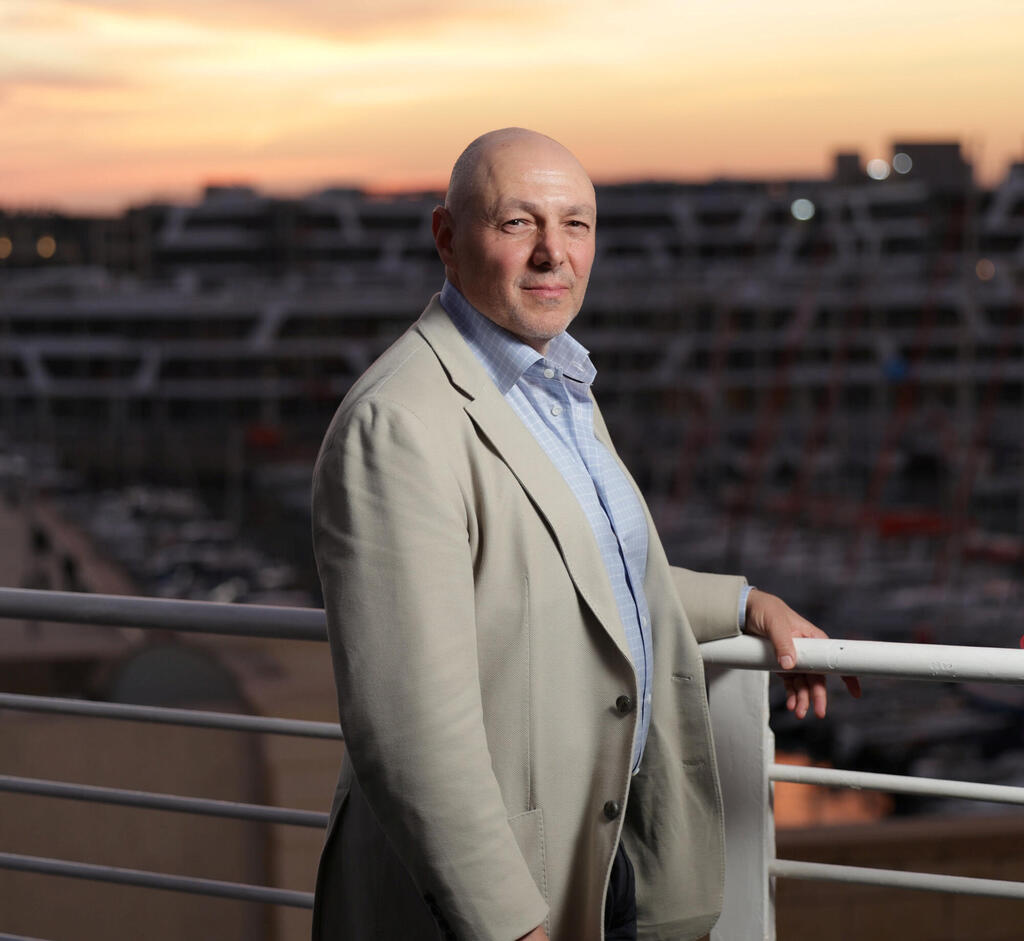
"I started thinking about cancer: Why did this person get sick? Why didn’t their cancer respond to treatment? Why did it come back? And I began to feel that I wanted to be on the other side of the story," Cohen tells Calcalist in an exclusive interview. "It was incredibly meaningful to help patients who were dying of cancer, but I found myself thinking more and more about the biology of the disease, so that patients wouldn’t end up in hospice, so that we might prevent that. I remember one patient in particular, a 33-year-old woman with terminal ovarian cancer. Every time I visited her at home, I saw her children, and each time I thought: There has to be a better way. That’s when I decided to return to training and to specialize in oncology."
After completing his additional oncology training, still haunted by the same questions about the mysteries of the disease, Cohen shifted from bedside care to the broader scientific landscape. He ran a cancer research laboratory at the University of Chicago for 15 years, later moving to the University of California, San Diego, where he continued practicing oncology, teaching, and leading research in cancer molecular biology. About two and a half years ago, he accepted a role at the center of one of the most innovative fields in global medicine: Chief Medical Officer of Oncology at Tempus, a company that performs large-scale, precise genetic profiling and uses big data and AI to transform the way cancer is treated.
"When I think about the future of oncology, I don’t see a small change or a slow improvement, I see a real revolution," Cohen says.
How?
"For years, we classified cancers by the organ in which they appeared: lung, breast, colon, and so on. That was our language. But it no longer reflects biology. In the coming decade, this will be completely reversed, because what truly drives the tumor is what determines the course of the disease. The molecular engine, the mutation, the fusion, the biological change, that’s the real story. The organ is just the address. And the massive database we’ve built enables this shift."
Cohen began his career in what is arguably the most personal form of medicine - community care. Today, he still sees patients one day a week, but most of his time is devoted to data, patterns, AI, and emerging technologies. Yet he emphasizes that, in the end, the human element remains paramount.
"Information and technology are tools that support personalized medicine, and the doctor remains, and will remain, at the center. Our systems provide physicians with suggestions and insights to assist them, but they are the ones who decide what to do. They will focus on judgment, explanation, and leading the treatment. Technology and AI will not take their jobs; they will reduce the burden, allowing doctors to focus on the patient.”
“Technology allows us to reach the future of truly personalized medicine, not as a slogan but as daily practice. A patient who comes to an oncologist will receive a complete map: what drives their tumor, what their chances of response are, what must not be missed, and what the precise therapeutic window is. Some of this is already happening. Every year brings us closer. The question is not whether we will get there, but how quickly we will be able to implement it in every health system. In the meantime, it is already saving lives."
The Beginnings
When a High-Tech Entrepreneur Discovers a Medical Vacuum
Cohen (60) was born in Baghdad to a family that remained in the city long after most of the Jewish community had left. In 1970, when he was five, his parents decided to immigrate to Israel, settling in Ramat Gan, but a year later the family moved again, this time to Toronto, where he grew up and studied medicine. Today he lives in San Diego and still speaks Hebrew fluently; many of his relatives remain in Israel. Our conversation with him took place during his visit to Israel in November, part of an effort to make Tempus’s data and tools more accessible here as well.
Tempus was born half a century after Cohen, on the other side of the world and on the opposite side of the healthcare system. Eric Lefkofsky (56), a billionaire and serial entrepreneur who, among other things, founded the online coupon empire Groupon, learned that his wife had breast cancer and soon found himself in meeting after meeting with doctors, each one leaving him more astonished. “When Liz was diagnosed, I saw and experienced how little information the doctors treating her had,” Lefkofsky told Yedioth Ahronoth in 2018. “Treating cancer without comprehensive genetic testing is like driving a truck on a dark night without headlights. It didn’t make sense to me that sophisticated tech industries rely on data and advanced tools, yet doctors treating cancer patients do not have access to the same capabilities. I decided to embark on a journey to understand why.”
Doctors technically already had such tools, science knew how to profile the human genome. Research existed, but the data was neither collected at scale nor analyzed in a way that translated into practical, actionable insights for doctors and patients. That began to change when Lefkofsky entered the picture.
Here, a brief introduction to genetic profiling is useful. The process decodes the order of nucleotides, the building blocks of DNA and RNA that act as our biological instruction manual. In cancer, some of these instructions malfunction, creating mutations, genetic fusions, or overactive genes that allow cells to grow and divide uncontrollably. Mapping the human genome took 13 years and concluded in 2003. The project cost around $3 billion. But about 20 years ago, next-generation sequencing (NGS) emerged, more advanced, dramatically cheaper technologies. Suddenly, genome sequencing no longer required elite research institutes; it became accessible in clinics serving the general public.
This shift enabled the transformation Cohen describes: a move away from categorizing cancer by the organ in which it appears, and toward categorizing it by its underlying molecular disruption. This is the basis of targeted therapies, treatments designed to precisely address specific mutations, unlike broad chemotherapy that affects all cells. Such targeted therapies are not suitable for all patients; they work only when the relevant disruptions can be identified.
Tempus, led by Lefkofsky, aims to extend this capability to as many people as possible. The company was founded a decade ago in Chicago and went public last year on Nasdaq in one of the most notable AI IPOs. Its current valuation is around $14 billion. The company is not yet profitable, but in 2024 its revenue grew 30% to $693 million.
What does Tempus actually do? It offers patients around the world a wide range of genomic tests, including genetic panels and MRD tests, which detect tiny traces of cancer in patients who have completed initial treatment. Other companies offer similar tests. Tempus’s distinction lies in the scale and depth of its database: a vast integration of molecular mapping, clinical information, imaging, and real-time data from millions of patients. This allows the company to develop predictive models, improve treatment matching, and offer physicians insights derived from big data, not just from the individual patient’s test results.
Initially, the work was done in ways that seem primitive today. “Tempus would compile sample results into PDF files and have humans sift through them to extract the important clinical data,” Cohen recalls. Then came the AI revolution: “AI can now do that job, allowing our teams to focus on far more sophisticated tasks.”
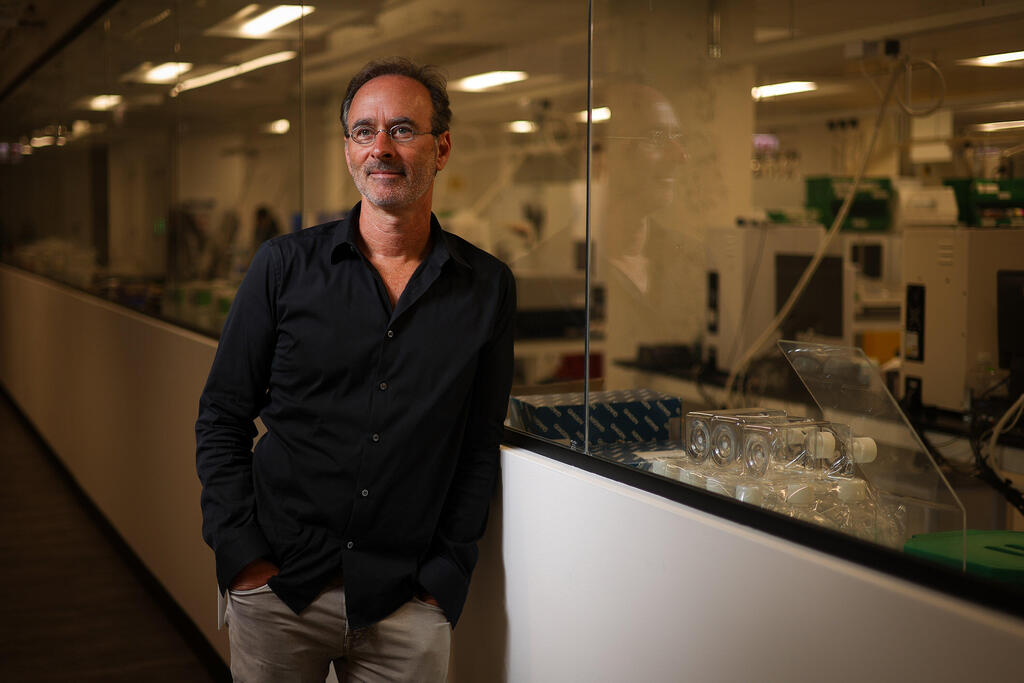
AI has become indispensable as Tempus’s database has expanded. Today, it contains 400 petabytes of data (1 petabyte equals 1,000 terabytes; 1 terabyte equals 1,000 gigabytes), representing information on approximately 9 million patients from 4,000 medical centers across the United States. It is, Cohen says, “the largest cancer patient database in the world.”
The Information and Sequencing
Analyzing Millions of Data Points and Personal Tests to Save Lives
It is this massive database that promises a revolution in cancer care. It makes it possible, for example, to identify broad patterns among cancer patients, such as which biological changes, or "targets" as professionals call them, are common and drive the disease in large numbers of people. These are the targets for which drug development is easier, and more profitable.
“Suppose a pharmaceutical company wants to know how common a certain target is,” explains Cohen. “We can say that the target is present in 20% of breast cancer patients, and so on.”
And what else can be done with this information?
“You can go further and see what other mutations appear in those patients, or what’s happening with their RNA,” Cohen continues. “Once we know what the target is, we can also look at all the other changes in that patient, other mutations, RNA expression patterns, and how these evolve in relation to the target. These insights tell us a lot about how the cancer actually behaves. When you follow the course of the disease in thousands of patients, you can track the treatments they received and their outcomes over time. We can see what they were treated with, for how long, and what the long-term results were. That information is extremely valuable for improving treatments.”
Cohen emphasizes that “the value of general information is statistical, not personal,” and that the company is extremely careful to maintain privacy, adhering to strict regulations such as HIPAA, anonymizing data, and implementing multiple safeguards to prevent leaks.
Yet, statistical information often has profound personal significance. To illustrate this, Cohen discusses immunotherapy, one of the most transformative treatments in recent years, which activates the body’s immune system to attack tumors. For some patients, it is highly effective; for others, it is not, and the medical community still cannot reliably predict who will benefit. Tempus has developed a predictive tool, IPS, to help with this.
“It gives the doctor a simple number that indicates whether a patient is likely to respond well to immunotherapy,” Cohen explains.
What other revolutions are coming?
“Disease monitoring is about to change,” Cohen says. “Today, we rely on imaging tests such as CT scans. These are important, but they detect recurrence only when a visible mass has formed. MRD tests, which detect traces of tumor DNA in the blood months before imaging can, give us a significant head start. This allows treatment to begin early, before the disease spreads. Such tests will soon become standard tools, fully integrated into patient monitoring, much like monitoring data in real time rather than waiting for periodic images.”
Tempus’s systems also help detect problems with ongoing treatments. “Our system is connected to electronic medical records (EMR) and can identify when a patient is not receiving a treatment that could improve their survival. The AI can also flag patients who would benefit from genomic profiling but whose doctors haven’t ordered it. The system makes precise recommendations to ensure they are tested.”
What does this look like in real patients?
“I have countless stories from ten years of profiling, but two stand out,” Cohen recalls.
“One patient, in his early fifties, had aggressive thyroid cancer that didn’t respond to standard treatments. Before we received his profiling results, he was admitted to intensive care with respiratory failure, and his prognosis was grim. When the results came in, we discovered his cancer had a mutation in the NTRK3 gene, right when a targeted drug for this mutation became available. The patient could barely speak. I went to his wife and said, ‘There’s a drug that works well on this mutation. Maybe we should try it.’ They agreed, despite already considering hospice. Within days, the tumors began shrinking. A week later, he was out of intensive care; within two weeks, he no longer required oxygen. He eventually lived 15 months, 15 months of real life with quality time with his family. Profiling changed his fate.”
“The second patient was a 19-year-old diagnosed with sarcoma. Microscopically, the cancer was misclassified, and initial treatments failed. Genomic profiling revealed the correct diagnosis and identified a mutation that responded to an existing drug. After receiving the treatment, he recovered and returned to school, he came back to life.”
Are these rare cases?
“Profiling changes diagnoses and treatments regularly. But when it happens to a young patient, it’s unforgettable,” Cohen emphasizes.
Business
Selling Tests, Gaining Value from Data and Technology
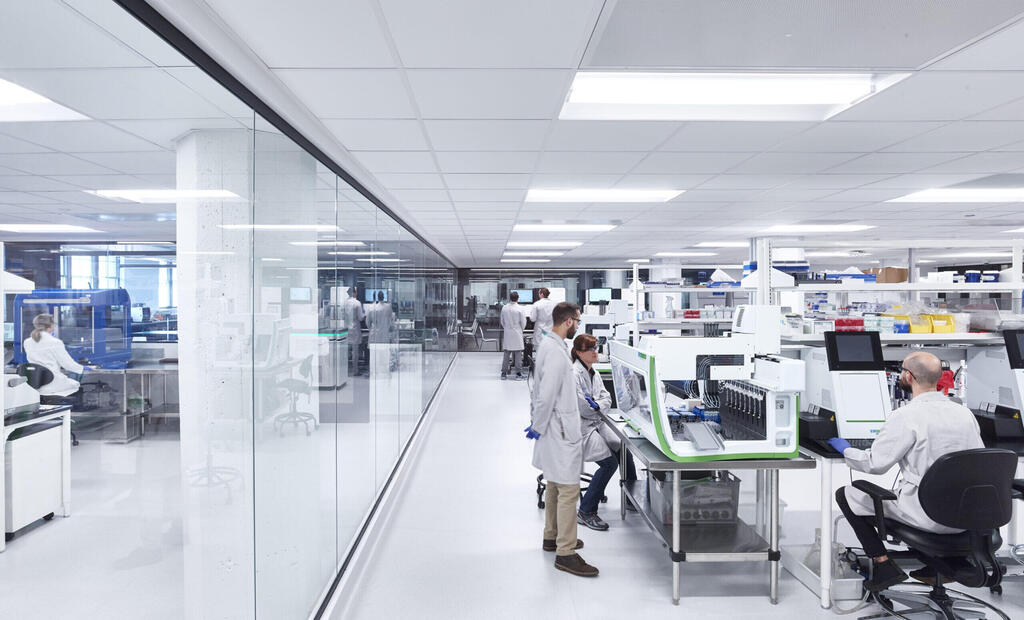
Tempus operates with two complementary focuses, testing and profiling individual patients, and leveraging big data to produce analyses and predictive models capable of reshaping trends across medicine. This dual approach is evident in both its services and its business model.
The company generates revenue from three main sources: first, from the tests themselves; second, from pharmaceutical companies that access its data and analyses; and third, from the AI engines integrated into doctors’ systems, tools that flag treatment gaps, identify patients suitable for genomic profiling, and recommend therapies. This diversified revenue model sets Tempus apart from other companies that primarily focus on testing. The market recognizes this distinction, valuing Tempus as a data-tech company rather than a conventional diagnostics firm. Although the company is not yet profitable, analysts highlight its database as a competitive advantage that is almost impossible to replicate and expect the company’s expanding AI capabilities to continue driving growth.
In the medical field, one striking example of the power of combining data, genetic profiling, and AI is the story of ALK.
“It’s one of the major breakthroughs of the last decade,” says Cohen. “It demonstrated for the first time how molecular information can completely change the course of a disease.”
ALK is a protein normally present in a small fraction of the body’s cells. Occasionally, however, it becomes disrupted and appears where it shouldn’t, in tumors. For years, researchers failed to understand its role in cancer. Only with genetic profiling and a shift in focus from the tumor itself to the underlying molecular processes did they identify ALK disruptions. It turns out that ALK mutations are present in about 5% of lung cancer patients. Once this was understood, researchers developed targeted therapies, drugs that hit the disruption precisely, like an arrow hitting its target. What had once been a rapidly terminal tumor became, in some patients, a disease that could be managed.
“Until a decade ago, stage 4 lung cancer meant six months of life, maybe a year,” Cohen recalls. “Among ALK patients receiving targeted therapy, 60% survived five years. This is not a small improvement or a few extra months of life. It is a leap, from an almost immediately terminal disease to a chronic condition that can be managed for years.”
Is this the kind of impact big data integration can achieve?
“Yes. This isn’t science from the past, where we looked under a microscope at tissue samples. Today we understand tumors at the level of the molecular commands that drive them. And when you understand those commands, you can change the disease’s course.”
What’s Happening in Israel?
Tests Are Available, but Big Data Isn’t Yet
Dr. Ezra Cohen’s visit to Israel last month aimed to expand Tempus’s local presence.
“Today, Israeli doctors can send patients for Tempus genetic profiling, the tests are conducted locally, and then sent to the U.S. for analysis,” explains Dr. Lior Soussan-Gutman, founder and CEO of Oncotest, a company specializing in genomic testing for early detection and personalized cancer treatment, and Tempus’s representative in Israel. A test costs approximately 13,000 shekels and is usually at least partially covered by private health insurance.
But for now, that is where the service ends. “Doctors can access their patients’ results, that’s it. They don’t yet have access to the broader dataset,” Soussan-Gutman says. “We are negotiating a new contract that will allow doctors to leverage Tempus’s database for therapeutic decision-making and research.”
What will this access provide?
“Doctors will be able to examine treatment responses, compare patient groups, and analyze outcomes for thousands of patients with the same mutation or tumor type,” Soussan-Gutman explains. “This is extraordinary in oncology. Imagine a doctor examining 90,000 similar cases, seeing which treatments were used, how patients responded, and long-term outcomes. It’s an unprecedented level of insight.”
According to Soussan-Gutman, Israeli doctors are eager for access to the database. “They are very progressive, early adopters, quick to implement technology, and ask deep research questions.”
Soussan-Gutman founded Oncotest in 1998 and has since integrated numerous new oncology technologies into Israel as the exclusive representative of international companies. “When we started, tests were very basic,” she says. “Today, treatment decisions are impossible without understanding the genetics of both the tumor and the patient. Tempus’s database expands this perspective to population-level patterns, not just individual cases.”



