







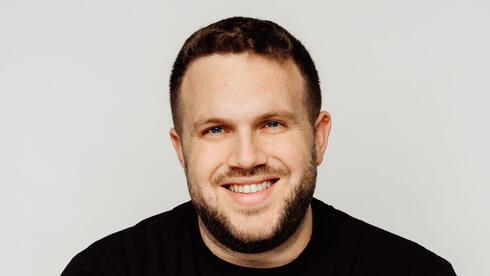


Gigi Levy-Weiss: "High tech can’t only focus on building companies, we need to focus on building the country"
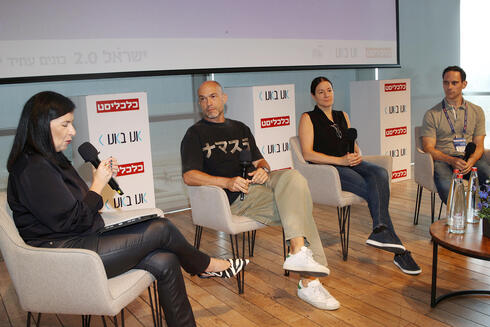
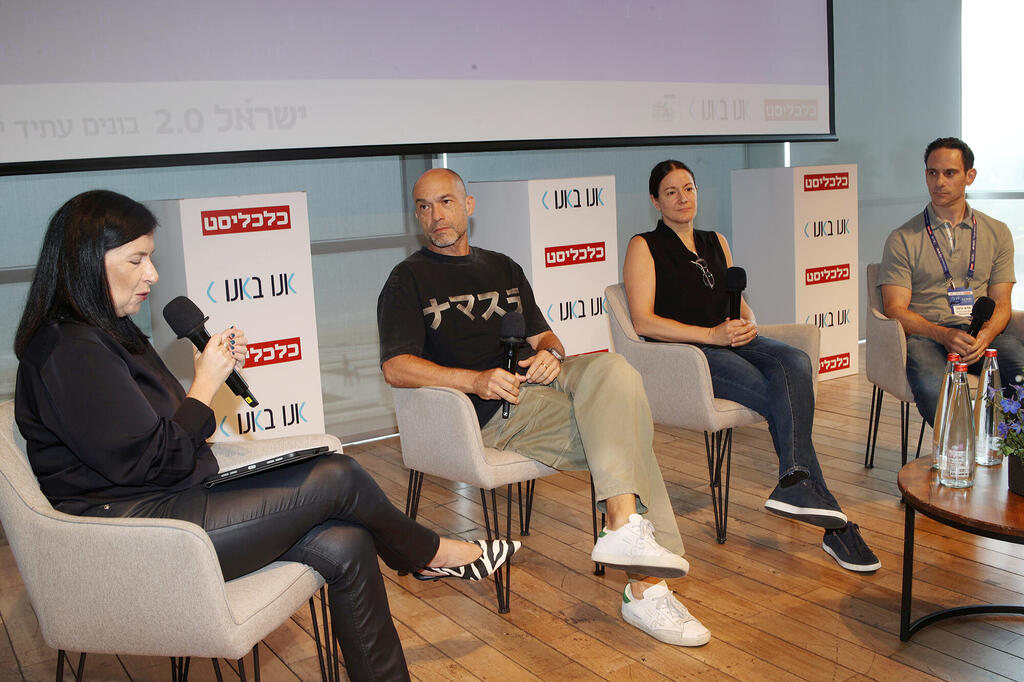
The founder of the NFX venture capital fund was speaking on a panel at the Israel 2.0 conference by Calcalist and the Anu Banu organization. Also participating in the panel were Michal Tsur, founder of Cyota, Kaltura, Remepy, and Adam Fisher, partner at the venture capital fund Bessemer.
"Recent years have brought a leap in the high-tech industry's willingness to take responsibility, contribute socially, and do more for the country. Saying that the industry is disconnected would not be fair to many people," said Gigi Levy-Weiss, founder of the NFX venture capital fund, at the Industry with Responsibility panel, moderated by Calcalist reporter Sophie Shulman, held as part of the Israel 2.0 Conference by Calcalist and the Anu Banu organization. Also participating in the panel were Michal Tsur, founder of Cyota, Kaltura, and Remepy, and Adam Fisher, partner at the Bessemer venture capital fund.
Aren’t you burned out by the social struggle? Nir Zuk said that the “prophecies of rage” from the high-tech community became a self-fulfilling prophecy.
Fisher: “During the judicial reform, we felt comfortable coming out and speaking, it’s a luxury. We could speak without fear that it would negatively affect the industry. I don’t feel it had any impact. Regarding what Nir said, I don’t think we took hits. On the contrary, our involvement encouraged others to speak freely, and that’s also what largely stopped the judicial reform.”
Michal, do you feel that high-tech’s coming out of its shell complicated things?
Tsur: “I feel like none of us really came out of our shell. Most of us have been involved in social work for many years. I came away from this whole period very optimistic because I met a lot of wonderful people with exceptional abilities. By the way, speaking about women, this is a conference about the future of the country, which is a very big issue. When I look around me here, I see more than 50% women, and it’s good that women are dealing with big problems. As a data-based industry, we’ve always tried to speak with a balanced, evidence-based voice.”
Levy-Weiss: “Nir’s statement is unfortunate and, in my opinion, reflects a misunderstanding in two aspects. The first is that if we don’t compete for the future of the country, there will be no high-tech here. The second is that anyone leading high-tech today could be anywhere in the world. When they choose to stay here, they choose to create a future for their children. If high-tech were only about making money and building companies, there would be no point. It’s easier to build in Silicon Valley. For that reason, we can’t only focus on building companies, we need to focus on building the country.”
Last week, we saw a benefit in the tax reform for those returning from relocation. Should the state be more involved?
Tsur: “If the state acts properly, many people will return. The flight of key people is one of the biggest dangers we face. If we want a real future for the country, we need to ensure the return of entrepreneurs, tech professionals, doctors, and academics. This is crucial. Otherwise, doctor appointments will take years, it’s one of the toughest problems in the system. If we project optimism, stability, and a sense of normality, people will come back.”
Related articles:
Will high-tech be involved in the elections?
Fisher: “Not in any organized way. The industry is very diverse, 400,000 people aren’t one person. But on an individual level, I have no doubt that people in high-tech are highly engaged. Many private individuals are very involved.”
Levy-Weiss: “There’s no one-size-fits-all. It’s not as if all of high-tech will vote for one person. The takeaway from recent years is that there are different groups representing different values. In general, people in high-tech understand the kind of values needed to move the country forward. What has changed in recent years is that we’ve started to step out front. Opinions vary widely, but we felt that if we didn’t come out and speak, it wouldn’t be clear what our North Star is, and the price could be high.”
Tsur: “Many more people today feel comfortable talking openly about problems and solutions. In the past, they wouldn’t have spoken up about issues like the need for a constitution or term limits.”
So why don’t you go into politics?
Levy-Weiss: “It’s a difficult choice. I say this with some pain, at the beginning of 2023, I thought many more people would want to enter politics. Over time, I realized how corrupt Israeli politics has become. Even so, there will be good people who step up. In the end, we must understand that the process of repair must begin with hope. It must begin with a government that looks squarely at the challenges, acts in a non-partisan way, and confronts them directly.
“If we have such a government - no matter who leads it, as long as it upholds these values - there are hundreds of thousands of Israelis and Jews around the world who would be happy to return or make aliyah. But if we move forward without hope or a message of reconciliation, I’m truly worried. That’s why the upcoming elections are so important. Everyone must do what they can. The direction isn’t right or left - it’s straight.”
Fisher: “It’s difficult to go into politics, and we should commend and support anyone who chooses to do it.”
When do you think we’ll see diversity in high-tech?
Levy-Weiss: “This is one of our biggest challenges, and it’s only getting harder. We’re all trying to see how to succeed. Israel is a small country, it requires a lot of work and forward thinking about how to create new skills around AI rather than unemployment. We need to focus on this constantly. If we had proper transportation infrastructure, instead of having to build a high-tech hub in Metula, people could live in Metula and work in Tel Aviv.”



