










Navan more than triples from its 2026 low as investors return
Once punished by investors after its IPO, the Israeli-founded company has staged a dramatic recovery.
Navan shares have staged one of the sharpest recoveries among Israeli-founded technology companies on Wall Street this year, climbing nearly 68% since the beginning of 2026 and rebounding more than threefold from their March low, giving the corporate travel and expense management company a market valuation of approximately $6.9 billion.
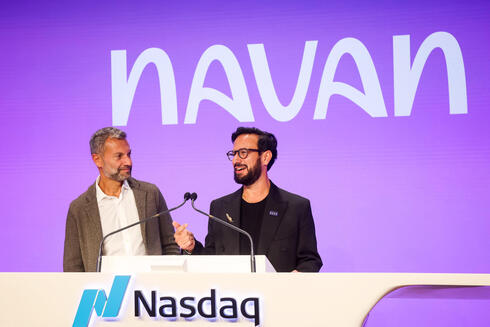
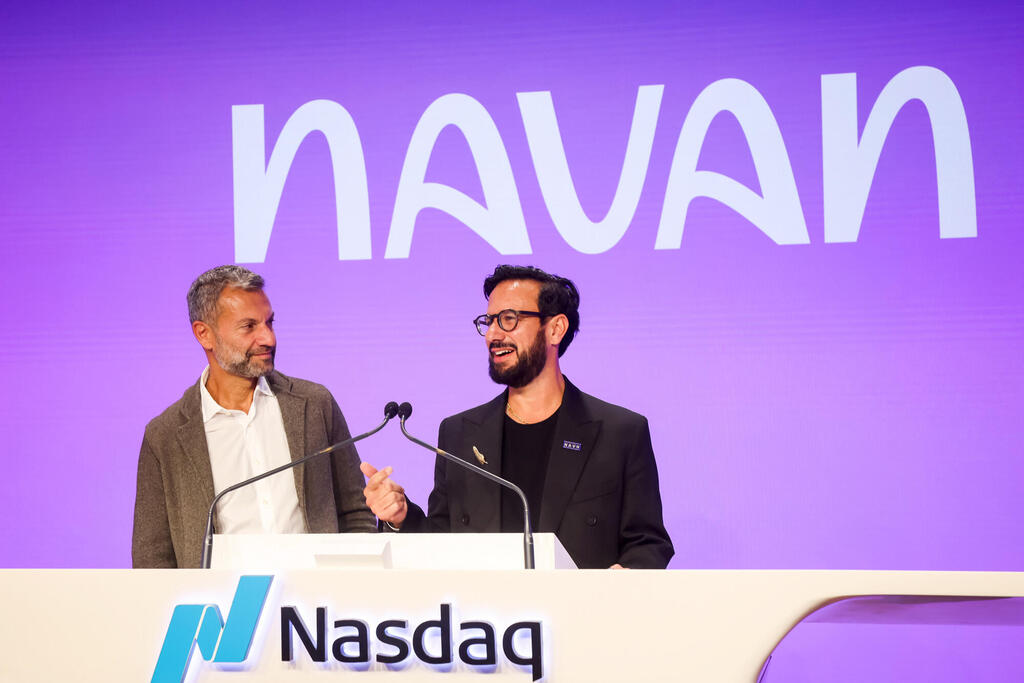
The rally marks a dramatic turnaround for a company that only months ago was facing intense investor skepticism. After going public in October 2025 at a valuation of $6.7 billion, Navan’s shares came under pressure as investors questioned whether strong revenue growth could justify continued losses.
The selloff accelerated in early 2026, with the stock reaching a low of $8.50 on March 24, before beginning a powerful recovery. Navan shares are now trading at approximately $27.25.
The rebound has been fueled by stronger-than-expected financial results, renewed confidence in enterprise spending and signs that corporate travel demand remains resilient.
The latest catalyst came in June, when Navan raised its full-year revenue and operating income forecasts, citing continued demand from business customers.
On June 10, the company reported that first-quarter revenue rose approximately 40% to $220.2 million, beating analysts’ expectations of $205.3 million. Gross booking volume increased 50% to $3.1 billion.
The company also surprised investors by posting an adjusted profit of 8 cents per share, compared with analyst expectations for a 1-cent-per-share loss.
Following the results, Navan shares jumped 19% in extended trading.
Navan CFO Aurélien Nolf said enterprise customers remain “very focused on in-person interactions between their teams and their customers,” reflecting renewed demand for business travel despite years of uncertainty following the pandemic.
The company now expects fiscal 2027 revenue of $907 million to $913 million and adjusted operating profit of $76 million to $80 million.
A comeback after investor doubts
Navan’s recovery represents a reversal of the concerns that weighed on the company after its public market debut.
Founded in 2015 by CEO Ariel Cohen and CTO Ilan Twig, Navan combines corporate travel booking, payments and expense management into a single platform. The company operates in a market it estimates at $185 billion and competes with both established travel companies and fintech providers.
The company raised $920 million in its October 2025 IPO, initially reaching a valuation of $6.7 billion. But after its first earnings report as a public company showed strong revenue growth alongside widening losses, investors reassessed the stock.
The decline also attracted one of Navan’s largest backers, Andreessen Horowitz.
In December 2025, when Navan shares were trading well below their IPO level, Andreessen Horowitz increased its stake in the company. Regulatory filings showed that funds affiliated with the venture capital firm purchased 702,395 Class A shares over three trading days between December 17 and December 19, spending $9.3 million.
The purchases were executed at weighted average prices ranging from $12.65 to $14.70 per share, significantly below Navan’s IPO valuation.
At the time, Andreessen Horowitz already owned roughly 11% of Navan.
The investment proved well timed. Although the stock continued falling afterward, reaching its 2026 low of $8.50 in March, it has since more than tripled.
First published: 14:52, 07.07.26



