










Zim seeks $924,000 bonus for CEO ahead of $4.2 billion sale
Executives could receive $6.5 million even if deal fails under certain conditions.
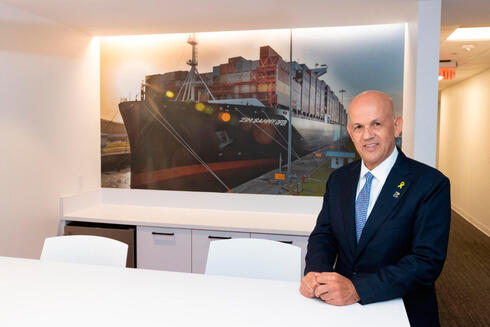
Zim is seeking shareholder approval to award CEO Eli Glickman a bonus of $924,000 (approximately NIS 2.9 million) in connection with its planned sale. The request appears in a notice for a shareholders’ meeting scheduled for April 30, ahead of the company’s $4.2 billion acquisition by Hapag-Lloyd and Israeli private equity fund FIMI Opportunity Funds.
The deal, signed last month and first reported by Calcalist, also includes proposed bonuses for 13 additional senior executives totaling up to $5.4 million. While the company does not disclose their identities, it notes that these payments, like Glickman’s, are structured as special bonuses equivalent to 12 monthly salaries.
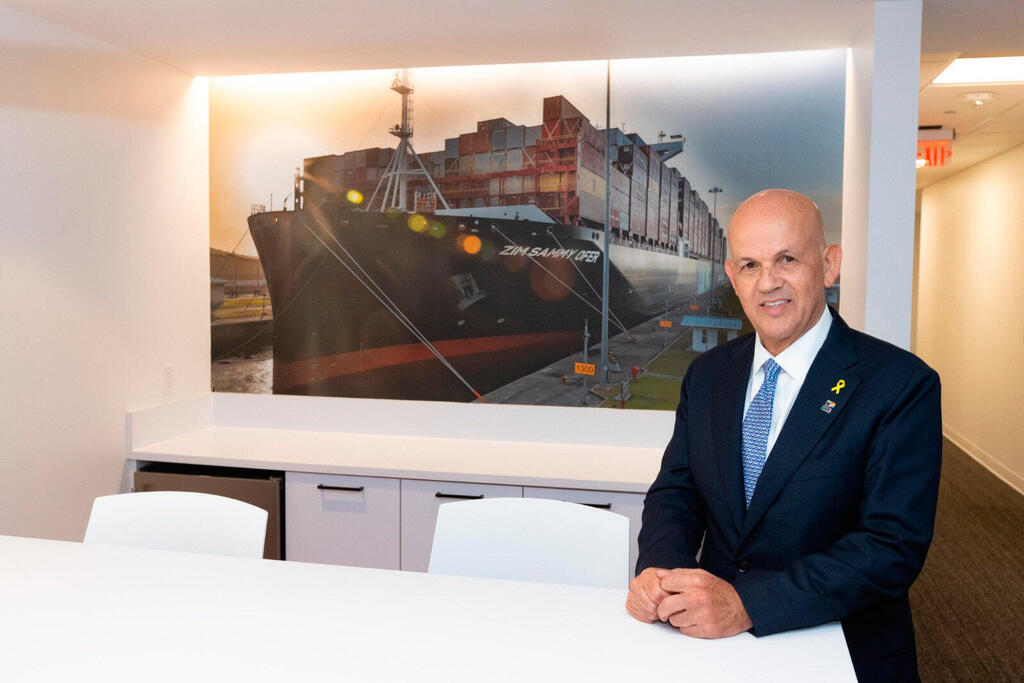
The bonuses are defined as retention payments and will be granted upon completion of the merger or 15 months after the signing of the deal, whichever comes first. This means that, under certain conditions, senior executives could receive a combined $6.5 million even if the transaction is not ultimately completed, provided shareholder approval is obtained.
The disclosure comes shortly after Glickman sold nearly all of his holdings in Zim for approximately $40 million, at a price roughly 20% below the acquisition price agreed with Hapag-Lloyd.
Zim is also asking shareholders to approve a new three-year compensation policy after a previous version was rejected in January. Under the proposed framework, the CEO’s monthly salary would be set at NIS 240,000, the CFO’s at NIS 190,000, and another senior executive’s at NIS 180,000. Directors would receive up to $100,000 annually, plus up to $2,000 per meeting. In practice, the policy is expected to apply only until the completion of the merger, which is anticipated to take at least a year.
In addition, the company is seeking approval to grant its board and compensation committee the authority to extend the exercise period of employee stock options and accelerate vesting in light of the anticipated change in control.
Zim acknowledged in the notice that its executives and board members may face potential conflicts of interest in the transaction, as their incentives may not fully align with those of public shareholders.
The company also described the transaction as complex, largely due to the Israeli government’s “golden share,” which grants it special rights. Under the agreement, Hapag-Lloyd is required to make “reasonable efforts” to secure a release from these obligations. To address this, Hapag-Lloyd partnered with FIMI, which will take control of Zim’s Israeli operations through a new entity, Zim Israel.
Under this structure, FIMI will assume responsibility for local regulatory requirements, including maintaining a minimum fleet of 11 ships, ensuring an Israeli majority on the board, keeping headquarters in Israel, and appointing an Israeli CEO.
The agreement also includes reciprocal break-up fees. Hapag-Lloyd would be required to pay Zim $160 million if it withdraws from the deal for reasons unrelated to regulatory approval of the golden share, or if it fails to make reasonable efforts to secure such approval. Conversely, Zim would pay Hapag-Lloyd $150 million if it accepts a higher competing offer, withdraws its board recommendation, or fails to secure shareholder approval and subsequently signs an alternative deal within a year.
If the transaction is blocked by the state, neither party would be required to pay a termination fee. Hapag-Lloyd would also be permitted to withdraw without penalty if the government imposes conditions deemed unreasonable, although such conditions are not defined.
The filing also sheds light on the sale process. On July 1, Glickman submitted a competing bid of $20 per share as part of a group that included businessman Rami Ungar, requesting exclusivity without fully disclosing financing sources. The board rejected the proposal, hired Evercore, and initiated a formal tender process involving 13 potential bidders. Four proceeded to due diligence, and Hapag-Lloyd ultimately prevailed with an offer of $35 per share.



