










National Economic Conference
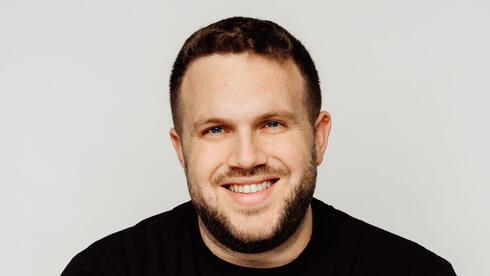
Kenneth Caplan, Blackstone Co-Chief Investment Officer: “There’s a real opportunity to invest in Israel”
Yoram Naveh, CEO of Clal Insurance and Finance, who hosted Kenneth Caplan at the Calcalist and Bank Leumi National Economic Conference, said “Institutional investors will be able to support the rehabilitation of war-damaged infrastructure through dedicated state-guaranteed funds”
Kenneth Caplan
(Yariv Katz - Streame)


When Kenneth Caplan, Global Co-Chief Investment Officer of Blackstone, takes the stage these days, investors tend to lean in. Speaking on Tuesday with Yoram Naveh, CEO of Israel’s Clal Insurance, Caplan offered a rare window into how the world’s largest private markets manager is reading today’s economic crosswinds, and why, despite geopolitical tremors, Blackstone is leaning into Israel, not pulling back.
In a candid exchange at Calcalist and Bank Leumi’s National Economic Conference, Caplan painted a surprisingly upbeat macro picture. While many fixate on gloomy headlines, tariffs, wars, and political churn, Caplan’s vantage point is more granular. With 250 portfolio companies, 13,000 real estate properties and nearly 5,000 private credit issuers, Blackstone’s sprawl effectively doubles as a vast real-time data feed. Right now, that feed is telling Caplan a different story than the caution dominating boardrooms and markets.
“When sentiment differs from reality, that’s where opportunity often lies,” Caplan said. “And we see real resilience beneath the headlines.”
Global markets wobbled earlier this year when the U.S. unexpectedly slapped new tariffs on April 2, sending risk sentiment into a tailspin. But Caplan argued that the underlying economic fundamentals, especially in the United States, remain stubbornly healthy.
U.S. job growth continues to surprise to the upside, with four consecutive months of outperformance. Inflation, though an ever-present worry, is moderating: housing costs, wages, and energy prices are drifting down, offsetting the upward pull of tariffs. Europe, too, is seeing inflation largely tamed near the 2% mark, a feat that seemed remote not long ago.
“We’re seeing healthy economic growth and inflation in check, it’s a good place to be,” Caplan said. “In volatile moments, we focus on what we see through our companies and assets, and the numbers are strong.”
Much of the conversation focused on Israel, a place where Blackstone is not just dipping its toes but digging in, even in the wake of recent conflict and the still-simmering threats in the region.
Naveh, whose firm is Israel’s largest institutional investor, noted the country’s economic fundamentals have proven unexpectedly robust. With Hezbollah’s influence weakened, Syria’s collapse shifting the regional balance, and Iran’s hand diminished, Israel’s geopolitical risk premium has narrowed, he argued, exposing the underlying strength of its tech sector and domestic demand.
“Maybe we’re the 52nd state of the U.S., with the risk of America but the reward of a startup nation,” Naveh quipped.
Caplan didn’t disagree. Blackstone set up an Israel office four years ago and, tellingly, made a fresh investment in Priority Software just months after October 7, a bet many outsiders might have considered reckless amid the trauma of war.
“Israel is incredibly resilient. We see it in the economy, in the innovation engine, in the people,” Caplan said. “There’s a real opportunity to invest here. And we want to do more here in Israel.”
The conversation turned to a subject Israel knows all too well: rebuilding after devastation. Caplan drew a line back to September 11th, 2001, the largest urban rebuilding challenge in modern American history. Then, as now, he said, success depended on a careful dance of public and private capital, clear vision, and trust.
“To accomplish that, you needed federal, state, and city government working together, and you needed private market capital to step in alongside,” Caplan said. Tax incentives, dedicated development corporations, and transparent governance were critical. So, too, was the private sector’s willingness to bet on the future, even when confidence was shaken.
Naveh agreed and said: "We propose establishing a dedicated fund for the rehabilitation of areas affected by the war, supported by mechanisms such as government guarantees on investment returns, increased building rights, and a fast-track national-level approval process. These tools can enable the mobilization of long-term institutional capital—without burdening the national debt—while creating stable and attractive investment opportunities tied to resilience and growth.
"We also recommend revisiting the current tax framework to extend the same benefits granted to life insurance funds to pension and savings funds when investing in national rehabilitation efforts. This adjustment could unlock additional long-term capital for strategic national priorities, while maintaining fair and competitive returns for savers."



