









"AI tech is available, the problem is connecting people in the organization to use the tools"
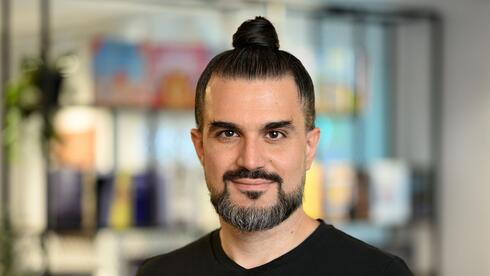
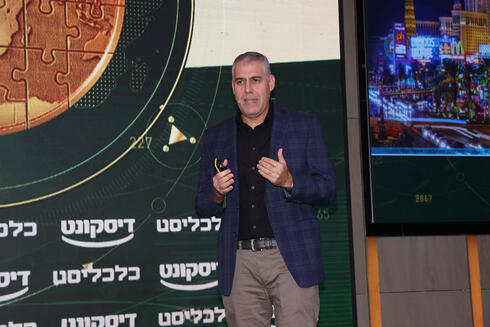
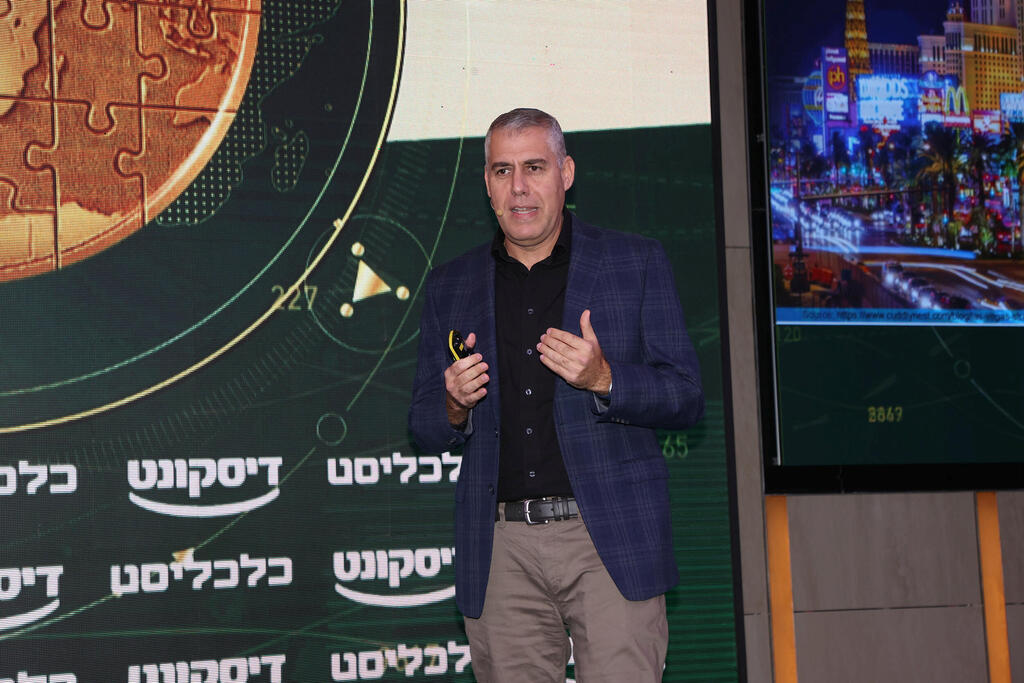
Jonathan Lavender, deputy senior partner and head of the advisory division at KPMG Israel was speaking at the Calcalist and Discount Global Economy Conference.
“Last week I was in Las Vegas and met the CEO of Goldman Sachs, who told me that people should work from the office, not from home,” said Jonathan Lavender, Deputy Senior Partner and Head of the Advisory Division at KPMG Israel, speaking at the Calcalist and Discount Global Economy Conference.
“We work with more than 100 organizations implementing AI, and I see entities approaching it as an organizational transformation, as a technological tool, and as a way to save money. As managers, we must look at AI through the lens of organizational change. What we have learned alongside our clients is that the technology already exists, the real challenge is getting people within the organization to adopt it. I don’t necessarily think companies will lay people off. Organizations need to bring employees along on the AI journey, get them to use the tools, and recognize that some will adapt quickly while others will struggle.”
Lavender said KPMG recently conducted a global survey of 1,300 CEOs. “There is confidence in the global economy, but the events surrounding Trump are making many executives apprehensive in several key countries, like Canada, because his behavior is not always rational. It’s no surprise that Israel is at the forefront of technological innovation and eager to adopt new tools, but the big gap is in ROA. I speak with executives who bought 2,000 Microsoft AI licenses and immediately ask how many employees they can lay off. There is a major gap between purchasing technology and actually implementing it. Implementation takes time. There is also the factor of employee readiness. One of the challenges ahead is retaining talented people. The talent pool isn’t large, and that will be a problem. There is also a skills shortage. Training has moved to Zoom, KPIs are unclear, and organizations must invest in explaining to employees where the company is headed.”
He added: “People often say there is too much regulation in Israel. In Germany, for example, large organizations told us they are waiting for regulators to define what is allowed and what is not. In Israel, we have an advantage: we ask for forgiveness, not permission. Organizational culture has gone through major upheavals over the past two years. It has been difficult to understand what employees want. I interview young people who immediately ask what they will manage, they come with strong technical skills and high expectations. The question isn’t which technology to adopt, but how to lead the organization through a structured process. We must continually ask which problem we are trying to solve and whether the technology investment is delivering results. Without that, it will be very difficult to see a return on technology.”



