










“Israel needs significantly more Arrow 3 interceptors”
Stockpile pressures and rising missile barrages expose limits of current air defense strategy.
Iran has stepped up its ballistic missile launches toward Israel in the fourth week of the ongoing conflict, forcing Israel’s air defense system to adopt a policy that relies on the extensive use of multiple types of interceptors.
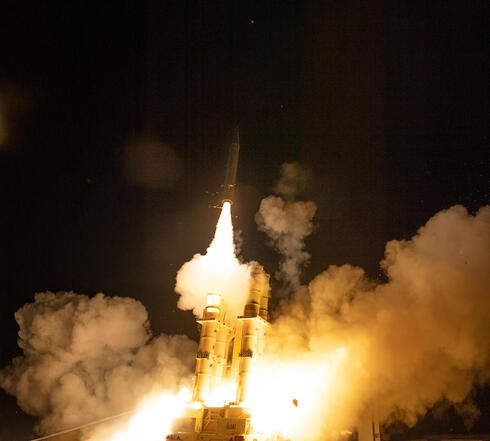
Israel’s primary response to Iranian ballistic missiles, whether carrying heavy warheads of up to half a ton of explosives or cluster warheads containing dozens of submunitions, is the Arrow 3 interceptor, developed by Israel Aerospace Industries. These missiles are designed to intercept threats outside the atmosphere, at high altitudes and long distances from Israeli territory.
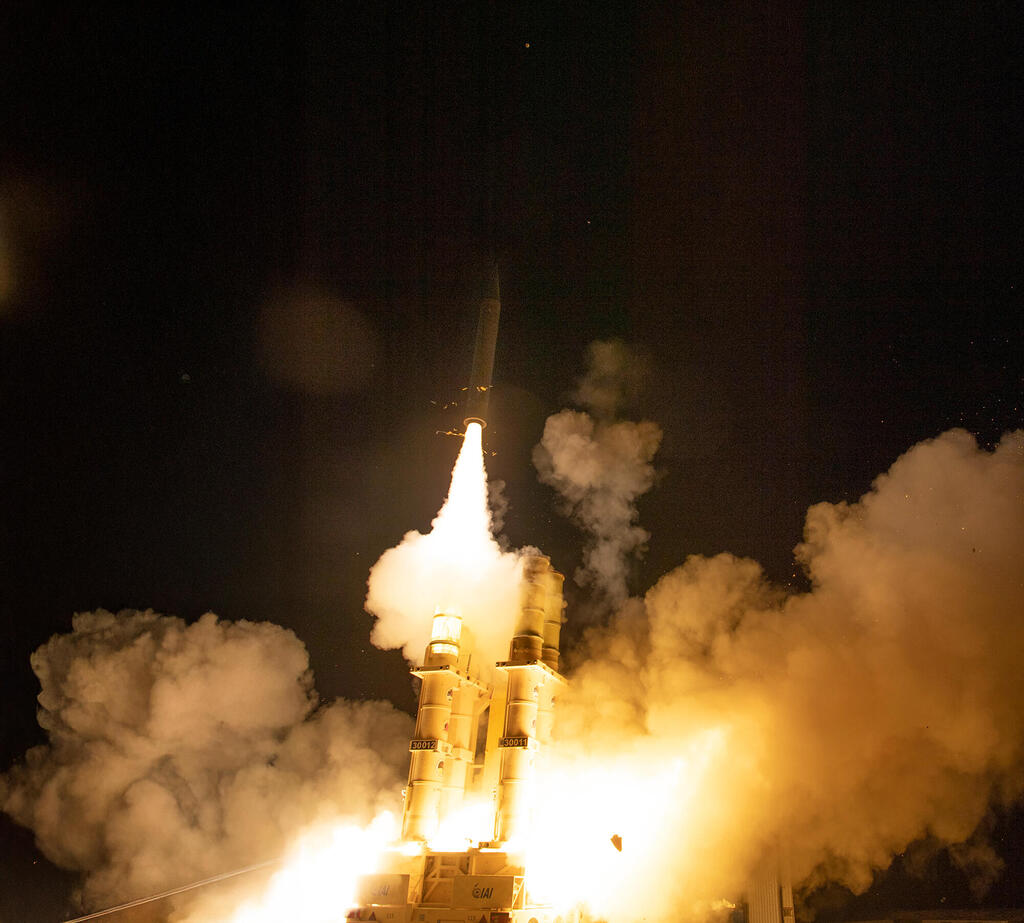
In most cases, successful high-altitude interceptions result in debris burning up upon reentry. However, the “firework-like” clouds seen in Israeli skies in recent weeks, caused by the dispersal of submunitions at altitudes of 7-8 kilometers, reflect missed interception opportunities at higher altitudes and the limited ability to neutralize each submunition individually.
Brig. Gen. (res.) Ran Kochav explained that “it is possible to intercept large fragments or a small portion of the submunitions, it’s better than nothing.”
In some cases, Israel has relied on David’s Sling, developed by Rafael Advanced Defense Systems, which operates in the intermediate layer between Iron Dome and Arrow systems. It is designed to intercept heavy rockets and cruise missiles. Two weeks before the current escalation, the Defense Ministry and Rafael announced upgrades to the system based on lessons from previous fighting, citing “new capabilities across a wide range of challenging scenarios.”
Those upgrades were intended, in part, to expand David’s Sling’s operational envelope to include certain ballistic missile threats, thereby reducing reliance on the more expensive Arrow 3 system. Initial attempts to broaden its use were already made during earlier rounds of fighting.
However, on Saturday evening, attempts to intercept missiles targeting Dimona and Arad using David’s Sling failed. The Israeli Air Force said this did not reflect a systemic failure, noting that the missiles, identified as “Qadr” types, had previously been intercepted successfully using the same system.
Decisions on which interception system to deploy are made dynamically by the Air Defense Command, based on operational policy set by the Air Force commander. Factors include available interceptor stockpiles, battery readiness, and the nature of the threat.
Cost considerations also play a role, though not the primary one. A single David’s Sling interceptor costs about NIS 1 million (approximately $320,000), while an Arrow 3 interceptor costs just over NIS 2 million (about $640,000). Still, defense officials stress that operational constraints, particularly stockpile management during a prolonged conflict, are more decisive than cost alone.
Some security officials have criticized the recent reliance on David’s Sling against ballistic missiles, warning that lower-altitude interceptions can increase the risk of widespread damage from falling debris and submunitions. One official said, “The ultimate solution is Arrow 3, that’s what it was designed for. You can try to expand David’s Sling’s capabilities, but to protect against Iranian missiles, you need to intercept them outside the atmosphere.”
Israel does not disclose the size of its interceptor stockpiles or production rates, though output has increased significantly since the war that began on October 7, 2023. Production lines in Israel and the United States are operating at full capacity, but defense sources note that interceptor availability reflects procurement decisions made years in advance.
“Even if production is ramped up now, what you are firing today is what was ordered two or three years ago,” a defense source said. “This is a long logistical chain, from raw materials to engines and guidance systems. Israel needs significantly more Arrow 3 interceptors.”
According to the Israeli Air Force, Iran has launched approximately 440 ballistic missiles since the start of the current conflict, with about 92% successfully intercepted.
The military said residents in Dimona and Arad received advance warnings ahead of recent strikes, but many casualties occurred because individuals did not seek shelter as instructed. Prime Minister Benjamin Netanyahu reiterated this point during a visit to the affected areas.
Despite earlier assessments suggesting that Israeli and U.S. strikes had significantly degraded Iran’s launch capabilities, continued daily barrages indicate that those estimates may have been overly optimistic. The conflict shows no clear sign of ending, with ongoing attacks continuing to damage infrastructure and strain Israel’s defensive systems.



