










Opinion
Foreign private equity funds: A critical pillar in the maturation of Israel’s business sector
Smart foreign capital that recognizes the resilience and maturity of Israeli companies, even amid persistent security uncertainty, can strengthen traditional industries, reduce leverage, and firmly position Israel on the global growth map.
For years, international investment funds approached Israel with caution. Today, the picture has changed: the economy has matured, companies have scaled to Western benchmarks, and global capital increasingly acknowledges the significant growth opportunity. Private equity investors willing to look beyond geopolitical volatility understand that Israel has progressed from a “start-up nation” into a diversified economy, with technology and traditional industries operating at global scale.
The shift over the past decade has been profound. At the start of the millennium, only a handful of funds were active in Israel. Today, global players such as Blackstone, KKR, CVC, Searchlight, Advent and many others are writing checks in the hundreds of millions dollars— levels far beyond the reach of most domestic funds. This does not diminish the importance of local capital; on the contrary, foreign investment raises standards, improves governance, and strengthens domestic players.
Meanwhile, the U.S. debt market—exceeding $6 trillion—is strained by elevated interest rates. Many corporates risk approaching a “leverage cliff,” creating opportunities for agile private equity funds able to deploy capital with lower leverage and position themselves ahead of eventual rate cuts. In Israel, comparatively low debt-to-GDP ratios, low unemployment, and contained inflation provide a stable platform for entrepreneurs and investors to plan with confidence.
Traditional sectors—energy, communications, and financial services—already show potential for double-digit returns. At the same time, Israel’s geostrategic location between East and West creates unique advantages for investors seeking to combine innovation, regional market access, and resilience. Bezeq offers a compelling case study: international private equity capital, combined with long-term strategic infrastructure investments, can deliver both attractive returns and broad value for the Israeli economy and its stakeholders.
As the market continues to mature, foreign private equity should not be seen as a threat but as a growth engine. The combination of flexible global capital and Israeli entrepreneurship can propel the economy to its next stage—even under the short-term shadow of geopolitical uncertainty.
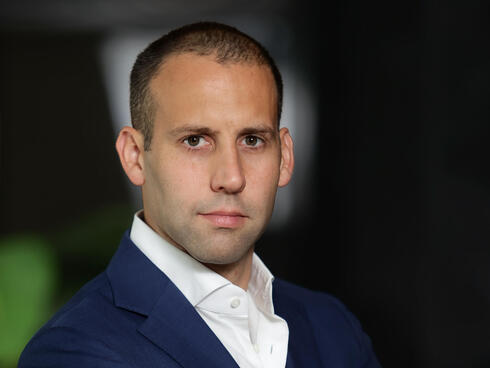
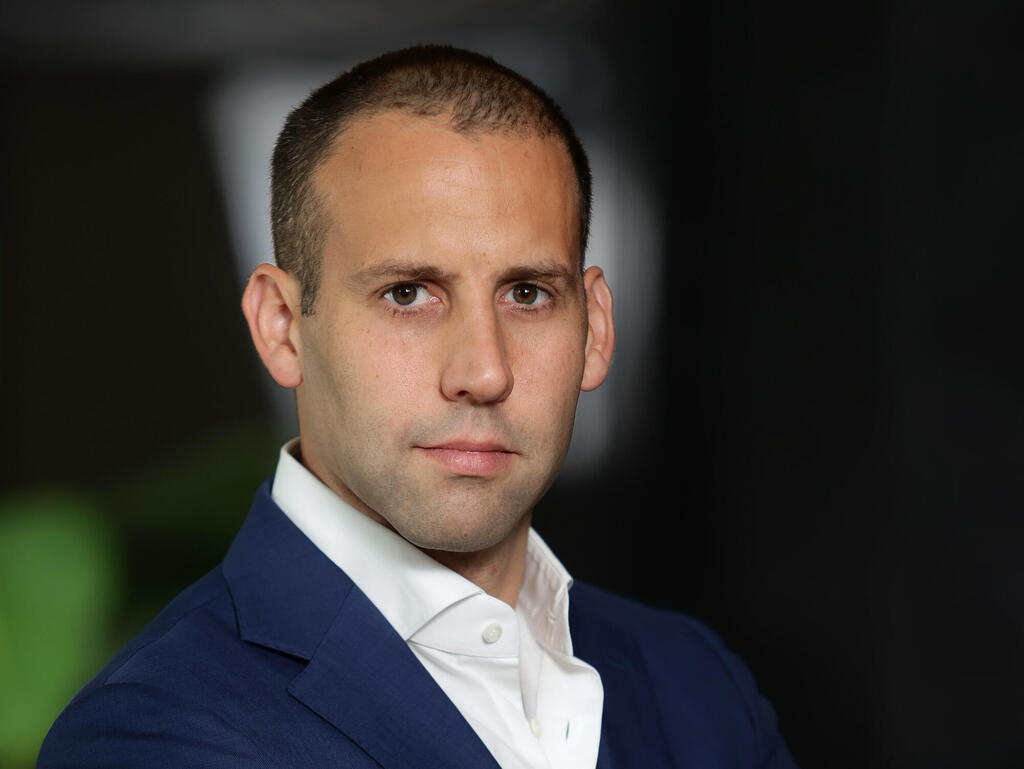
Tomer Raved is the Executive Chairman of Bezeq.



