











Lawsuit accuses Roblox of engineering addiction among children
Filing claims platform uses scarcity, rewards, and design tactics to maximize engagement and revenue.
A motion has been filed with the Central District Court to approve a class action lawsuit against Roblox Corporation, which operates the popular Roblox platform widely used by children in Israel.
The lawsuit alleges that the platform is deliberately designed to encourage compulsive and excessive use, particularly among minors. The plaintiff, an Israeli minor registered on Roblox, claims, through attorneys Yuki Shemesh, Amit Manor, and Lydia Mandelbaum, that many of the platform’s features were intentionally developed to drive addictive behavior among users.
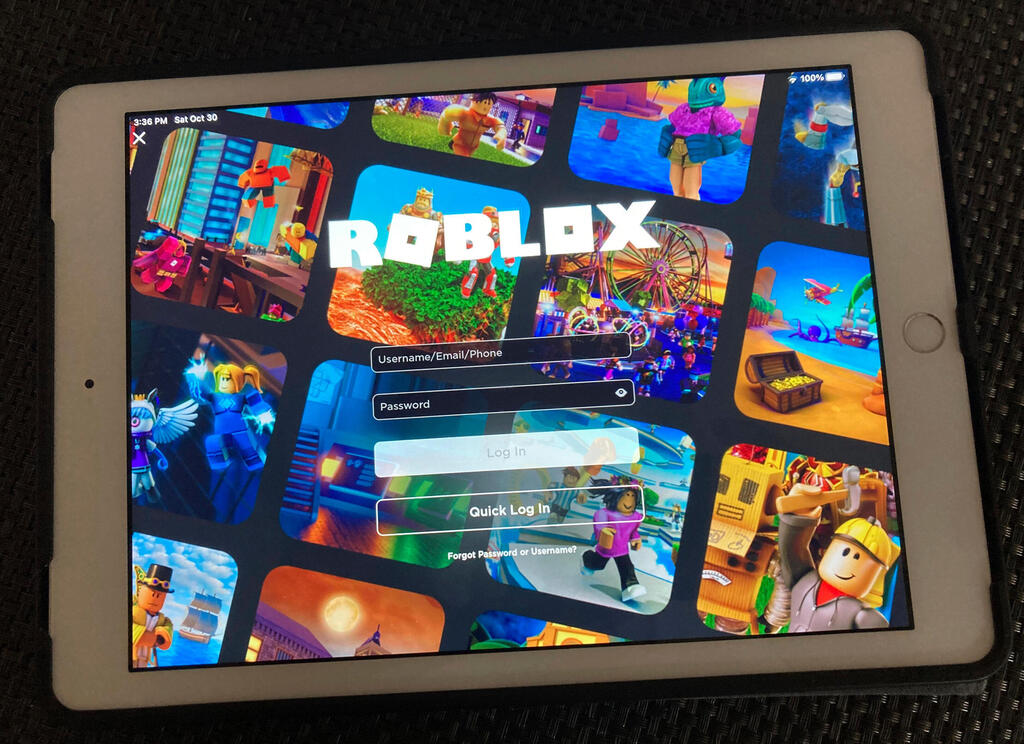
According to the filing, these mechanisms are designed “to make users engage more frequently, for longer periods, and in a more intensive manner,” targeting not only adults but especially children and teenagers.
The motion further alleges that Roblox incorporates features specifically engineered to exploit users’ psychological processes, with the goal of maximizing time spent on the platform and increasing login frequency. “In practice, Roblox works to ‘sell’ its users, particularly children and teenagers, through manipulation, psychological conditioning, and similar techniques,” the filing states. “The company has acted, and continues to act, deliberately to attract users while exploiting psychological and neurological mechanisms associated with addictive behavior, for its commercial benefit.”
The plaintiff claims he “quickly became addicted” to the platform, resulting in an inability to reduce usage, as well as a decline in social interactions with friends and family.
The filing also focuses on Roblox’s monetization model, which relies on a virtual currency purchased with real money. According to the claim, the platform employs persuasive design techniques to increase spending, including time-limited offers and the presentation of items as “rare” or “limited edition.” Because individual purchases are often small, users, particularly minors, may underestimate the cumulative financial impact.
For example, some in-game items are marketed as available in limited quantities, creating urgency and encouraging immediate purchases before stock runs out. The lawsuit also alleges the use of randomized reward systems, such as rare prizes, unexpected events, and “loot” mechanics, which increase engagement by introducing uncertainty and encouraging continued play.
In addition, the filing argues that many Roblox experiences lack clear endpoints or natural stopping points, making it more difficult for users to disengage. This, it claims, can lead to extended periods of play, particularly among minors who may struggle with self-regulation.
An expert opinion by Dr. Liraz Margalit was attached to the motion. The plaintiff has previously filed a separate request to certify a class action against Roblox in another matter.
Roblox Corporation had not responded to the claims at the time of publication.



