










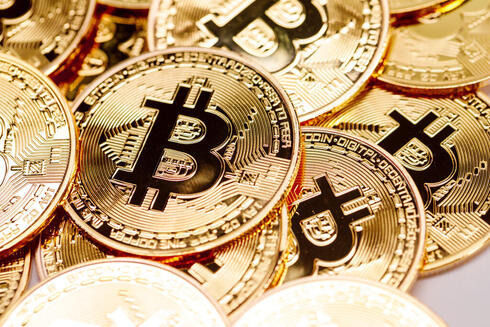
Bitcoin hits $120K: Trump’s crypto embrace sends markets soaring
Behind the record high, political ambitions and investor risks collide.
The world woke up this morning to a new record: Bitcoin crossed the $120,000 mark for the first time. To many, this is definitive proof that the popular virtual currency has moved from the fringes to the mainstream. But behind the celebrations and headlines lies a much more complex story, where politics, big money, and the hopes of everyday people are dangerously intertwined.
At the center of this story is Donald Trump. The president, who recently returned to the White House, presents himself as the “number one supporter of crypto.”
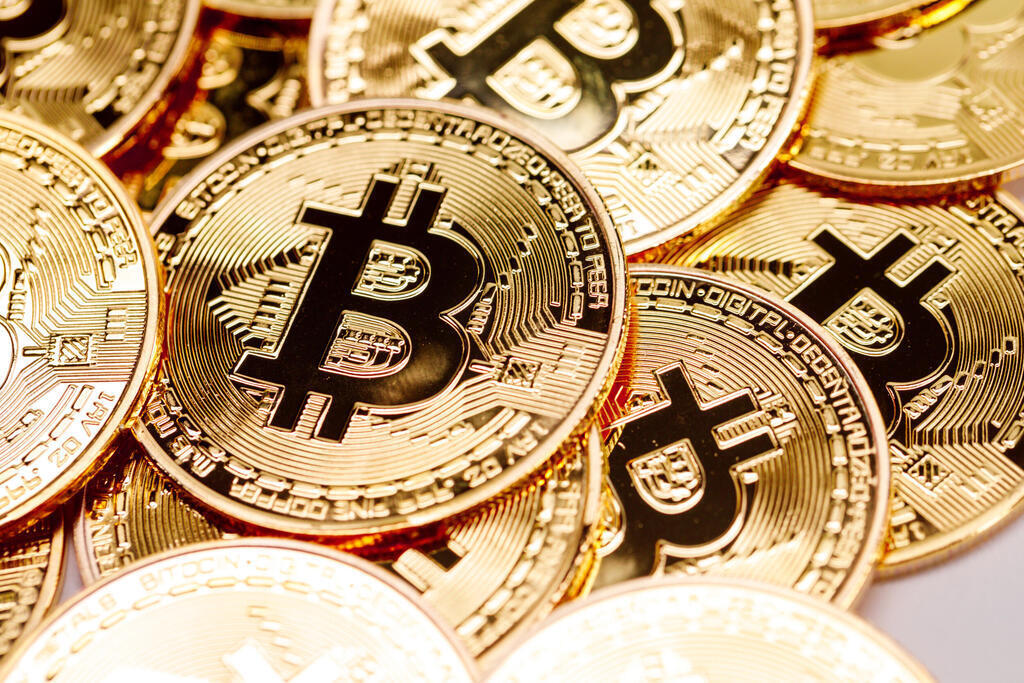
In speeches, posts, and public appearances, he talks about Bitcoin as if it were the new flag of American freedom, promising to make the United States the “crypto capital of the world.” Trump has appointed industry-friendly regulators, urged lawmakers to pass supportive legislation, and declared his intention to establish a “national crypto reserve”.
But as with many good stories, reality is more complicated than the headlines suggest. The announcement of a national reserve, for example, has so far remained just that: an announcement. To date, no actual Bitcoin purchases have been recorded, and no clear plan of action has been presented.
Last month, after lengthy delays, the U.S. Senate overwhelmingly approved the GENIUS Act, which aims to regulate the stablecoin sector in the U.S. for the first time. The bill now awaits further consideration in the House of Representatives, where significant progress could be made as early as this week.
The law is expected to establish a clear regulatory framework for digital currency issuers, require full reserves and transparency, and prevent large technology companies from issuing stablecoins unless they meet strict conditions. If approved, it would be a regulatory move with significant implications for the U.S. and global crypto markets.
But even before the law is passed, Trump’s rhetoric is already having an effect. Small investors and large institutions alike are buying Bitcoin in droves. This past week has seen a surge of funds flowing into U.S.-based Bitcoin exchange-traded funds (ETFs), with over $1.1 billion raised in a single day, a record figure for the year.
Daily trading volume in Bitcoin has reached tens of billions of dollars, but most trading still takes place on traditional crypto exchanges, not just through ETFs. BlackRock’s IBIT fund, the largest of its kind, is estimated to manage more than $80 billion.
In 2017, Bitcoin soared to $20,000, only to crash by 80% shortly after. In 2021, it broke that record and reached about $69,000, but fell again to $16,000 in 2022. This time, the story is similar but with new players: institutional investors, regulators, and even the U.S. president himself.
What is particularly concerning is the market’s sensitivity to political statements. In June, for example, Trump’s aggressive tariff announcement put heavy pressure on capital markets and triggered declines in the crypto market. Bitcoin, a currency once considered immune to politics, has now become a political tool.
Behind the glittering curtain of record prices, the question remains: Who really benefits? Trump himself, at least in terms of image, is profiting from his portrayal as an innovator and risk-taker. The crypto industry is enjoying a public boost, and many institutional players are riding the wave. But the general public, especially inexperienced investors drawn by promises of quick financial freedom, may end up paying the price when the market turns.
Meanwhile, many experts warn that Bitcoin’s impressive rise is driven more by optimism and sentiment than by real-world utility. Even today, very few people use Bitcoin for everyday purchases; for most, it remains a speculative investment.
Bitcoin has become a story of hope, fear, and quick profits. But history shows that every celebration has an end date. When you add politics, vested interests, and regulatory uncertainty to the equation, the risk only grows. For now, the market is celebrating. Trump is making headlines. Investors are counting profits. But the big question remains: Will Trump’s embrace become a bear hug in the end? And will small investors be able to exit this party safely?



