











REE Automotive seeks court protection after collapsing from $3.1 billion SPAC valuation
Israeli EV startup that once rode investor hype now faces $17 million debt restructuring.
Israeli automotive company REE Automotive has accumulated debt of approximately 51 million shekels ($17M) and on Thursday filed a request with the Tel Aviv District Court to delay proceedings, appoint a restructuring administrator, and convene creditors’ meetings as part of its recovery process. The purpose of the request is to maintain the company as a going concern, enable the formulation and approval of a debt settlement with stakeholders, and preserve its assets.
REE was founded in 2011 under the name “SoftWheel” as a company specializing in wheelchair technology. SoftWheel’s patent included in-wheel motors, motorized wheelchairs incorporating motors and shock absorbers integrated into the wheels. In 2019, SoftWheel rebranded as REE. Unlike traditional vehicles, in which steering, braking, and propulsion are transmitted mechanically to the wheels via systems such as steering columns and linkages, the company developed a technology in which these functions are controlled electronically and via software, without mechanical connections. From that point, the Israeli company began attracting investments from several major players in the global automotive industry.
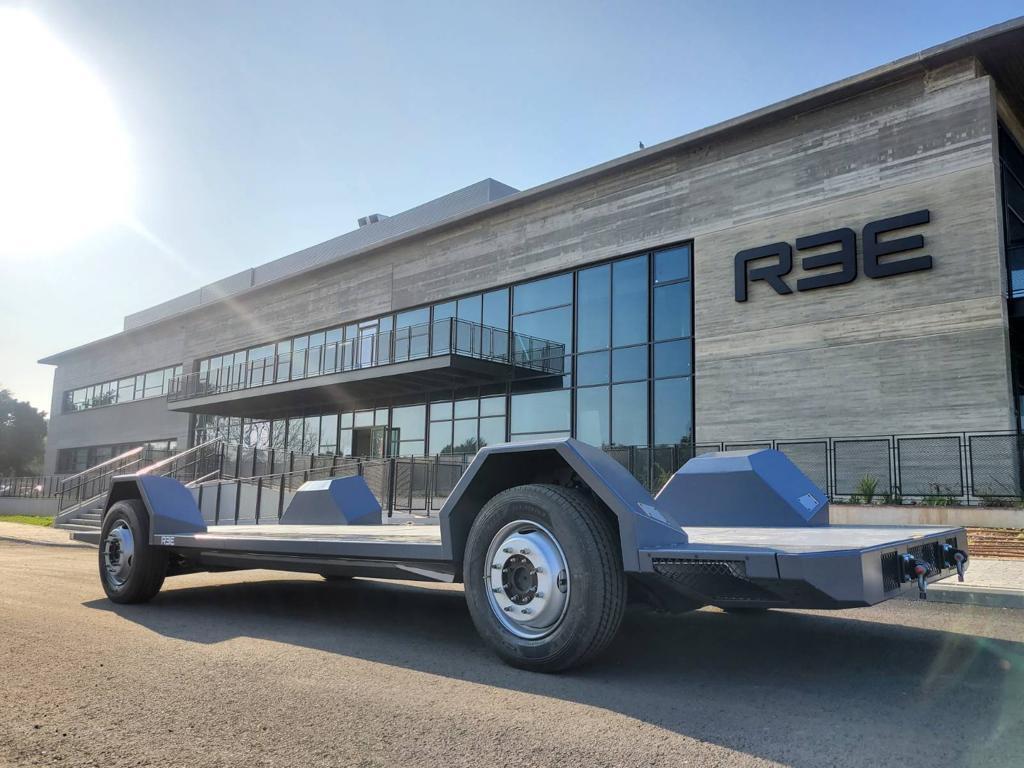
REE is one of the last Israeli companies attempting to build vehicles. In May 2025, the company reported a loss of $70 million and issued a going concern warning regarding its ability to continue operating. According to its statement at the time, global developments, particularly U.S. tariff policy, had significantly impacted the automotive industry, forcing it to halt its production plans. In its court filing on Thursday, the company stated that its self-manufacturing model proved too costly and required substantial capital investment. As a result, it discontinued this activity. The company said this strategic shift is intended to reduce costs and allow continued operations.
In 2021, REE announced plans to go public via a SPAC merger with X10 Capital Venture Acquisition Corp, valuing the company at $3.1 billion pre-money. REE was recently delisted. As reported by Calcalist, in May of this year the company informed Nasdaq that it was “taking decisive steps to improve and streamline operations and evaluate strategic alternatives, including a potential sale of the company.” It is now, as noted, requesting a stay of proceedings.
The company further claims in its filing that the security situation in Israel since October 2023, including the ongoing impact of the Swords of Iron war, the war with Iran, and broader regional tensions, has hindered its operations and its ability to raise capital and engage with international partners. It says it is facing a severe cash flow crisis.
The filing states that the company possesses “unique and groundbreaking technology,” valuable intellectual property, an international reputation, and a skilled workforce, and argues that it is therefore appropriate to pursue economic rehabilitation through a restructuring process. It further states that, compared with liquidation, which would lead to the cessation of operations, layoffs of dozens of employees, and destruction of value, a structured debt arrangement would maximize creditor repayment within a defined and short timeframe. The company emphasizes that the goal of the request is to prevent liquidation.
The filing also cites a combination of factors behind its difficulties, including an unproven business model, high development and production costs, dependence on capital raises and strategic partners, limited commercial revenues, regulatory burdens linked to its Nasdaq listing, and the impact of U.S. tariff policy. The company’s total debt stands at approximately 51 million shekels, including about 12 million shekels owed to employees and approximately 39 million shekels to general creditors. According to the filing, REE employs around 31 people. The company’s CEO is Daniel Barel, and its CTO is Ahishay Sardes.
As part of the application, submitted through attorneys Yaniv Dinovitch and Elchanan David Vaknin of Herzog Fox & Neeman, the company is requesting the appointment of attorney Amit Pines as restructuring administrator.



