











“Digital vacation vouchers are a win-win for reservists and small businesses”
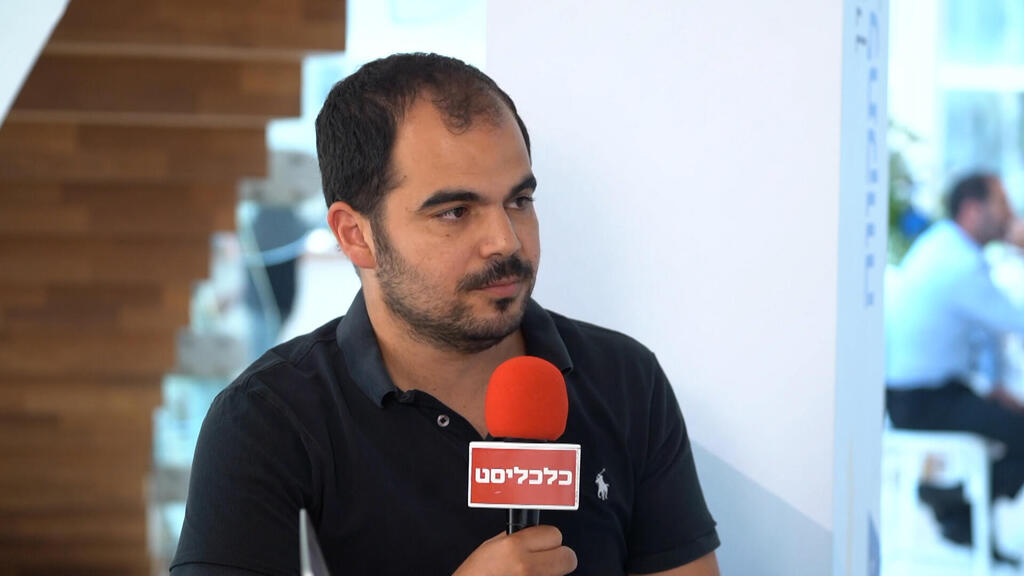
Reshef Efraim, EVP, Chief Payments Solutions Officer at Cal, speaking at the Mekomi conference, added: “We have built a smart system that allows every eligible reservist to receive the amount they’re entitled to for vacations, exclusively at resorts within Israel. This vision strengthens the local economy and supports small businesses.”
"Vacation vouchers for reservists are another timely and large-scale example of the infrastructure we built with the Ministry of Defense, together with our partners in the Ministry of Finance," said Reshef Efraim, EVP, Chief Payments Solutions Officer at Cal, speaking at the Mekomim conference organized by Calcalist and Google Israel. He was responding to a question about how small B&Bs and hotels can now easily receive payments from the state.
According to Efraim, “The smart system we developed allows every reservist who is eligible, according to the Ministry of Finance and Ministry of Defense criteria, to receive a digital card, add it to their digital wallet, and, thanks to our smart logic, automatically receive the amount they’re entitled to.”
Efraim added: “This budget is designated solely for vacation sites within Israel. The vision is to strengthen the local economy, and our system makes that possible, creating a win-win situation for reservists and small businesses alike. For reservists, it’s an upgrade from sleeping in a tent to booking even the most luxurious hotels. For small businesses, it opens up access to the NIS 900 million the state allocated in the first phase for reservist vacations, money they wouldn’t otherwise see without this digital infrastructure. The government also saves on bureaucracy, time, and resources by providing an easy, accessible solution within the Ministry of Finance’s existing tender framework.”
How much does the state spend on large contracts, money that could also go to small suppliers?
The state spends tens of billions of shekels on various supplier contracts, covering procurement, petty cash, civil servant expenses, and support or grants to welfare recipients, National Insurance, reservists, and others," Efraim explained. “We’re working to gradually shift every area where there’s value to this more efficient and user-friendly system. We estimate that over time, billions will flow through this framework, and we’re working closely with the Ministry of Finance. Of course, this depends on circumstances, some things can’t be predicted. Take the reservist vacation program, for example: it was a new government decision that didn’t exist before. Our role is to adapt quickly to the state’s evolving needs.”
The solution also supports other state-linked uses, from prepaid cards for welfare recipients to cards that allow disabled IDF veterans to buy medical cannabis.
"Wherever the state wants to control how funds are spent, our system can enforce this in real time," Efraim said. “It works through preventive controls that block unauthorized spending at businesses outside the approved categories, as well as detection checks, like uploading an invoice photo through the app. For example, with medical cannabis, we worked with the Ministry of Defense’s Rehabilitation of the Disabled Division. Instead of disabled veterans paying upfront, submitting invoices, and waiting for reimbursements, they can now simply pay with a card that’s connected directly to the Ministry of Defense’s system through our infrastructure.”
Efraim concluded: “We actually began developing this system before the state’s tender was even issued, as a broad payments infrastructure with multiple possible applications. One application is a solution for organizations to manage employee benefits, anything from lunch allowances to healthy lifestyle incentives. Today, more than 200 organizations already use this infrastructure for diverse needs, from business travel to daily meal allowances.”



