








Nvidia enters genomic research’s next frontier with Sheba-Mount Sinai collaboration
The AI-driven project seeks to decode the 98% of the genome still poorly understood.
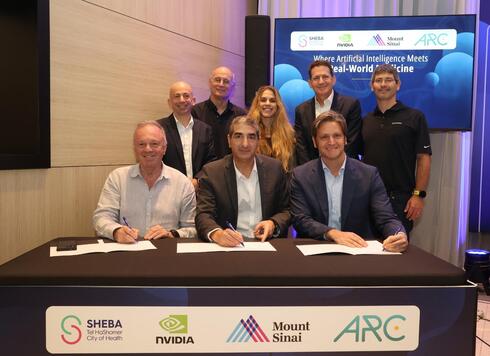
In a bid to illuminate the vast stretches of the human genome that remain scientifically obscure, ARC Innovation at Sheba Medical Center and the Icahn School of Medicine at Mount Sinai announced a three-year collaboration with Nvidia to apply large language model technology to genomic research. The partnership, described by all three institutions as a global effort to tackle one of biology’s most complex frontiers, aims to accelerate discoveries that could reshape disease prevention, diagnosis, and treatment.
Though decades of research have demystified a small portion of the genome, most of it remains poorly understood. “While approximately two percent of the human genome has been thoroughly characterized, the remaining 98 percent, which was once labeled junk DNA, is increasingly recognized as containing critical regulatory and functional elements,” said Prof. Gidi Rechavi of Sheba Medical Center, the project’s initiator. The collaboration’s genomic LLM approach, he said, seeks to map the basic function of these sequences and use their variability “as a key to diagnosis and future therapy.”
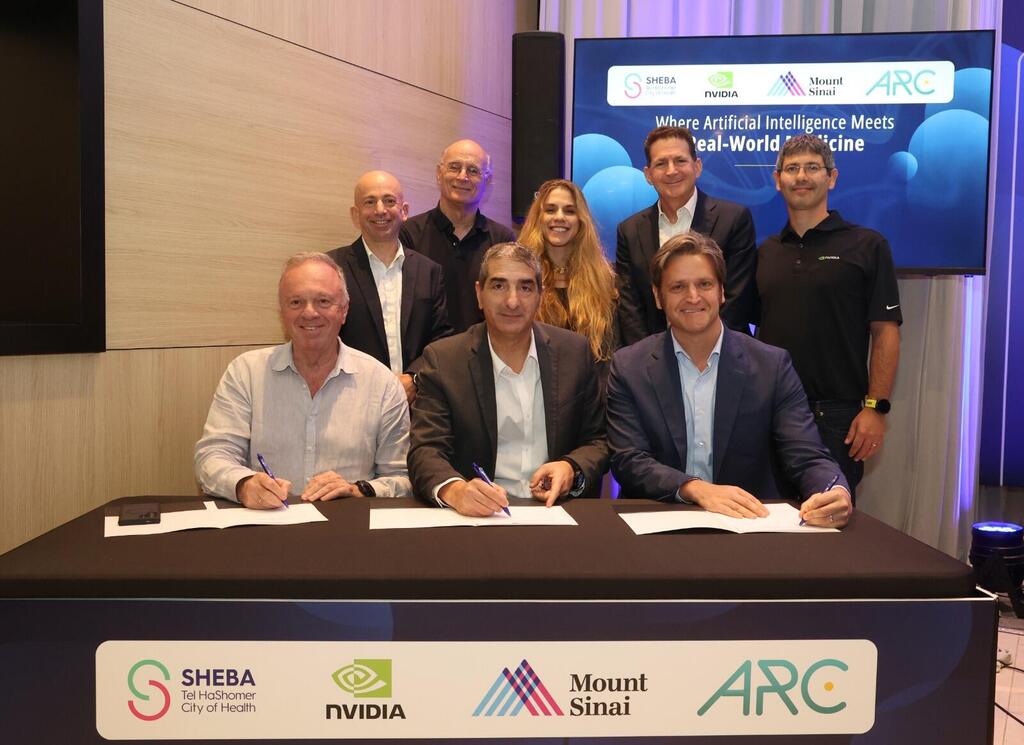
The partnership brings together Sheba and Mount Sinai’s deep genomic datasets and clinical expertise with Nvidia’s computational architecture and AI development platforms. The goal is to build a next-generation genomic research engine capable of identifying patterns, regulatory mechanisms, and links between genetic variation, disease risk, and therapeutic response. The project is expected to garner tens of millions of dollars in joint investment from participating institutions over the three-year period.
For Mount Sinai, the initiative integrates directly into the Mount Sinai Million Health Discoveries Program, the health system’s flagship effort to combine genomics, AI, and clinical translation at scale. “This collaboration is an important step toward a future where every person can benefit from the power of whole genome sequencing,” said Dr. Alexander Charney, who leads the program. By bringing advanced AI into genomic research, he added, “we’re moving closer to making personalized, precision medicine a reality for all.”
Nvidia’s role centers on providing the computational backbone and scientific expertise required to build what its Applied AI Architecture team calls a “Genomic Foundation Model,” a platform meant to bring clinicians, geneticists, bioinformaticians, and AI researchers into a shared environment for unraveling genomic complexity. “AI has the power to unlock the secrets of the human genome and transform health care for billions of people worldwide,” said Dr. Nati Daniel and Dr. Yoli Shavit.



