










Beyond Forests: KKL-JNF Growing Innovation in the Negev and Galilee
Keren Kayemeth LeIsrael–Jewish National Fund (KKL-JNF) is transforming Israel by empowering communities and academia, combating climate challenges, and preparing for the future. KKL-JNF is placing a strong focus on Israel’s peripheral regions, building new Innovation Centers—thriving hubs of Climate Tech, AgriTech, and WaterTech. These centers are attracting groundbreaking start-ups and creating quality jobs in the Galilee and the Negev
“KKL-JNF is not only forests – it’s also technology, research, and innovation,” says Dr. Doron Markel, KKL-JNF’s Chief Scientist. “These worlds come together in our innovation centers.”
Strengthening the Galilee and the Negev
This initiative is built on one principle: innovation brings and empowers people. Entrepreneurs, researchers, and students who come to these centers eventually establish companies, create employment, and build their families in the region. This aligns directly with KKL-JNF’s strategy of supporting Israel’s periphery.
The centers also play a key role in rehabilitation following October 7. Beyond rebuilding forests, infrastructure, and communities, they offer a path to social and economic renewal. The new Sha’ar HaNegev Innovation Center, for example, is named after Ofir Libstein z”l, the late regional council head who initiated the project and was killed on October 7. The center continues his mission of advancing innovation and employment in the region.

Four Centers Driving Breakthrough Innovation
KKL-JNF operates four centers: Tel Hai and Kinneret in the Galilee, and Sha’ar HaNegev and Be’er Sheva in the Negev. Each location was selected for its strategic proximity to academic institutions and transportation routes. All focus on environmental innovation with an emphasis on climate, agriculture, and water.
The flagship site is the Kinneret Center, a four-story building with two floors of advanced laboratories and two floors dedicated to innovation spaces. “The synergy between science and innovation is the added value,” Dr. Markel emphasizes.
The centers host accelerators that publish open calls and support startups at every stage. What differentiates these accelerators is their scientific integration: KKL-JNF connects companies with university researchers who assist in technological development. The Kinneret accelerator, for example, includes participants ranging from students to companies preparing for global expansion.

Three Breakthrough Startups Emerging from the Centers
• FireWave – Detecting Forest Fires with Sound
Founded by a Technion graduate, FireWave began as a concept for sound-based detection systems. KKL-JNF connected the idea to the challenge of forest fires, resulting in acoustic sensors that identify the unique sound signature of a fire within seconds. The system is currently being piloted in three KKL-JNF forests in northern Israel and sends alerts to KKL-JNF’s control center almost instantly. The company has already won several competitions and will be presented at the UN Climate Conference in Brazil.
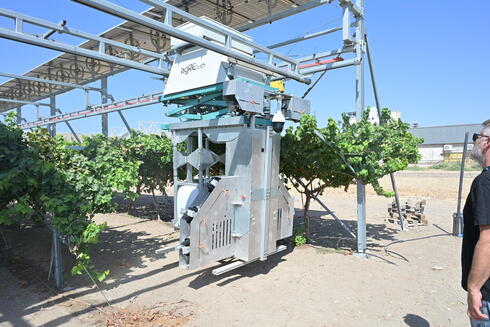
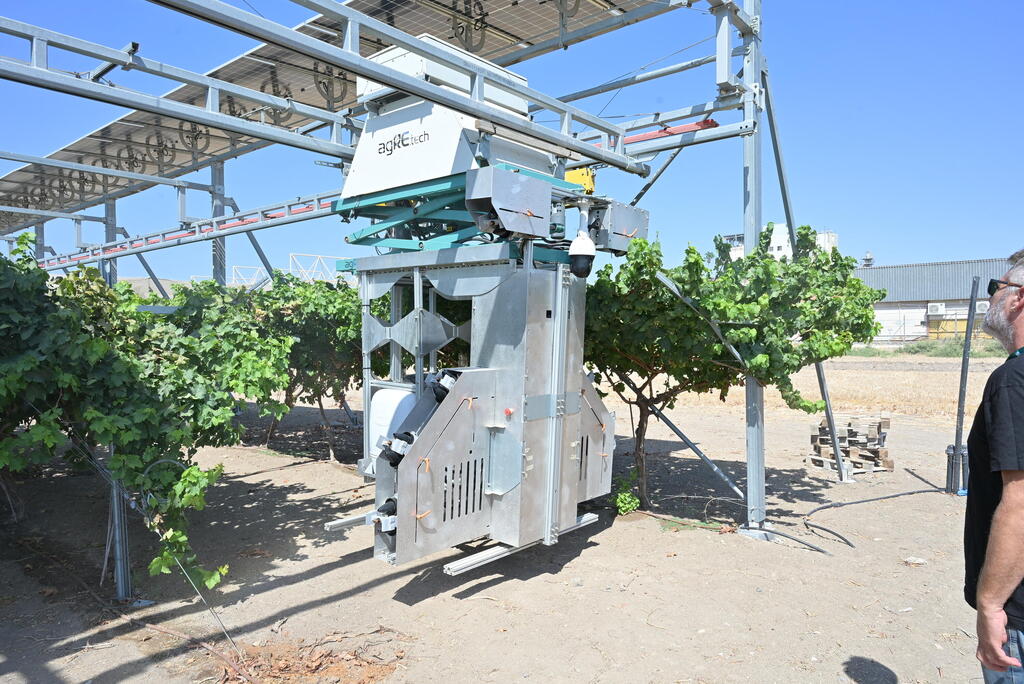
• agRE.tech – Robotics Under Solar Panels
agRE.tech advances the agrovoltaic model by combining agriculture and solar energy with robotics. Their system uses robots that travel along rails beneath solar panels, performing all agricultural tasks automatically. This dual-use approach generates clean energy and food from the same land, while also making agriculture more appealing to younger generations. A demonstration site operates beneath the Kinneret Science and Innovation Building.
• Purammon – Turning Wastewater into Green Hydrogen
Purammon addresses two major global challenges: wastewater treatment and clean energy. Their technology transforms industrial wastewater into reusable effluent while capturing hydrogen and converting it into green energy. “Whoever manages to produce cheap hydrogen will solve the world’s energy problem – maybe even win a Nobel Prize,” says Dr. Markel.

Worldwide Impact: Advancing Israel’s Technological Frontier
These innovation centers require substantial investment. The Kinneret building cost 70 million NIS (including 40 million from KKL-JNF), and the Sha’ar HaNegev center required another 20 million. Many projects are made possible through international partnerships, including collaboration with JNF Australia.
For donors, supporting these centers is an opportunity to invest in Israel’s technological strength and help revitalize its peripheral regions. Contributions enable KKL-JNF to attract young talent, build quality employment, and ensure that the Negev and Galilee continue to grow.
Dr. Markel concludes: “Every donation helps make KKL-JNF a leading organization not only in environmental preservation but also in technological innovation that empowers Israel’s periphery.”




