








Nvidia's interim CEO promises early pay raises and more equity as employees seek reassurance after Huang's exit
Colette Kress used her first companywide meeting as interim CEO to address compensation and calls for greater transparency. Around 6,200 Nvidia employees in Israel were among the roughly 49,000 workers attending.
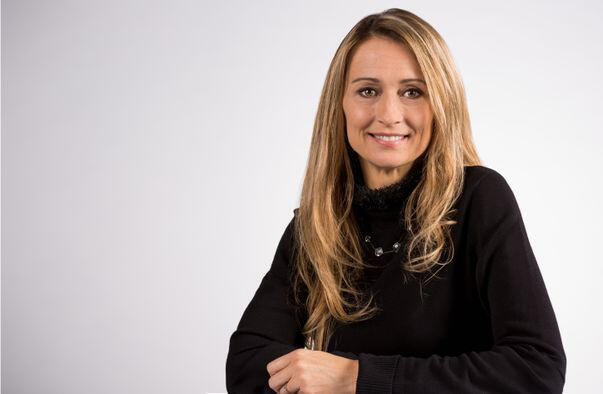
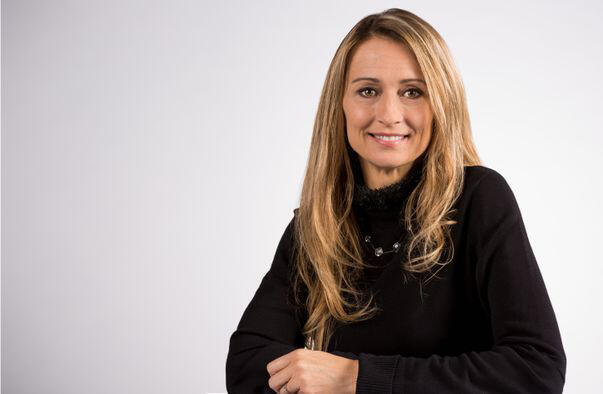
Nvidia's new interim CEO, Colette Kress, used her first companywide meeting with employees to promise pay raises and additional equity awards in December, months earlier than scheduled, as the chipmaker tries to reassure its workforce following the abrupt departure of co-founder Jensen Huang.
The commitments came in response to concerns raised by employees ahead of Wednesday's meeting, according to a report by WIRED, which reviewed remarks from the gathering. Questions about compensation were the most common among the roughly 700 submitted in advance, Kress said. The second most frequent request was for greater transparency from the board.
“So I’m here to tell you, the best thing that we want to do is to take care of each and every single employee that is here and to make sure that you feel good about this company and you do not worry about your comp,” Kress told employees.
The meeting brought together Nvidia's global workforce of approximately 49,000 people, including around 6,200 employees in Israel, one of the company's largest research and development centers outside the United States. Israel's operations, which grew significantly following Nvidia's $6.9 billion acquisition of Mellanox in 2019, play a central role in its networking and data-center technology businesses.
The gathering was the first companywide meeting since Huang resigned last week, ending a 33-year run as CEO. The departure followed reports of alleged extramarital relationships and questions surrounding a possible connection to a Chinese intelligence investigation. Nvidia's board has said Huang disclosed personal conduct that violated company standards and norms.
The board's chairman, Harvey Jones, reiterated during Wednesday's meeting that Huang's resignation had been accepted because of his personal conduct and what Jones described as a “lack of candor.” He also made clear that the company would not simply look for another version of its longtime leader.
“We will not find a Jensen clone,” Jones said, according to WIRED. Instead, he said the board was looking for a candidate with “demonstrated intellect, high tech engineering experience, strategic thinking, cultural compatibility, and a track record of success.” He added that the board would not compromise its requirements for the sake of speed and would welcome suggestions from employees.
The comments come amid an apparent groundswell of support among some employees and outside figures for Huang to return. Thousands of employees had apparently lobbied for his reinstatement, while a public petition calling for his return had attracted around 200,000 purported supporters. The board, however, has already said it does not intend to reinstate him. On Tuesday, Jones told investors that the decision was unanimous.
Kress, who has served as Nvidia's chief financial officer since 2013, is now leading the company while the board searches for a permanent successor. The board has retained executive search firm Heidrick & Struggles and said it will consider both internal and external candidates. The transition has raised questions about whether Nvidia can retain key executives and engineers, many of whom have spent years working under Huang and have been closely identified with his vision.
That concern was also raised during Nvidia's earnings call on Tuesday. A Bank of America Securities analyst asked Kress about the company's ability to retain talent and maintain stability during the leadership transition. She responded that one of management's most important priorities was stabilizing the workforce and ensuring employees could continue their work.
Wednesday's meeting also touched on the challenge of preserving Nvidia's culture after Huang's departure. Co-founder Chris Malachowsky, who took part in a brief question-and-answer session with Kress, recalled that the founders had resisted the idea of putting corporate values on posters. Instead, he said, they wanted those values reflected in how employees behave and work together. “We're going to be fine,” he said.



