










Teva’s search for a TAPI buyer ends in more job cuts
Neot Hovav facility faces another round of reductions as sale prospects fade.
Teva has failed to find a buyer for its active pharmaceutical ingredients division, TAPI, and employees are now bearing the cost. The pharmaceutical giant announced on Wednesday that it will lay off 250 employees in Israel, representing about 40% of the division’s local workforce.
TAPI currently employs approximately 4,100 people worldwide, including around 650 at its main manufacturing site in Neot Hovav. The facility has already undergone multiple rounds of restructuring and workforce reductions over the years; at one point, TAPI employed roughly 1,000 people in Israel alone. Under agreements reached with the workers’ union, the layoffs will be implemented gradually over a two-year period.
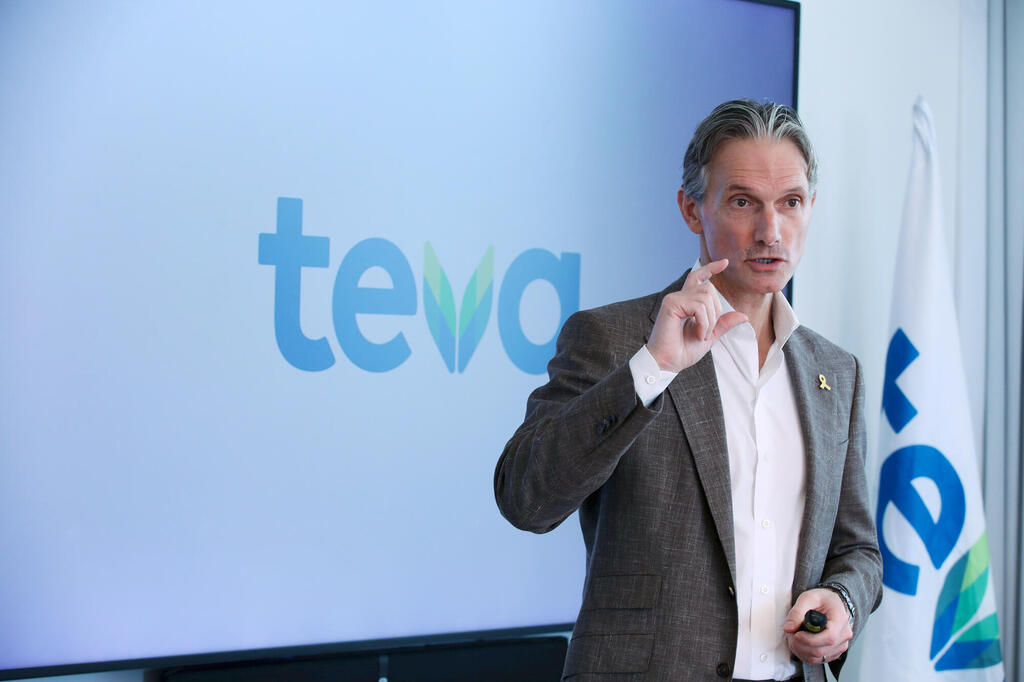
The move is the latest step in the broad efficiency program led by Teva CEO Richard Francis. About a year ago, the company laid off roughly 3,000 employees worldwide, including around 300 in Israel. That restructuring reduced Teva’s global workforce by about 8%. The company currently employs approximately 33,000 people, down from around 36,000 at the end of 2024. Francis has set a target of raising Teva’s operating profit margin to 30%.
Since taking office, Francis has identified TAPI as a non-core business. The division was formally put up for sale in 2024.
Initially, Teva believed TAPI could command a price of around $2 billion. That expectation was later lowered to approximately $1.5 billion, but no buyer emerged even at the reduced valuation. In 2025, after the deadline Francis had set for completing a transaction passed without a deal, Teva announced it would reassess the future of the division.
At the same time, Teva recorded goodwill impairments related to TAPI totaling approximately $1.3 billion in 2024. Following those write-downs, only about $200 million of goodwill associated with the division remains on the company’s balance sheet.
Teva said the layoffs in Neot Hovav are part of a global streamlining program that began within TAPI last April. As part of the same initiative, employees were also laid off in Italy. At the start of the sale process, TAPI employed approximately 4,300 people worldwide; that figure has since fallen to around 4,100.
TAPI operates in two main areas: supplying active pharmaceutical ingredients (APIs) to Teva’s own manufacturing operations and selling APIs to external customers. The division markets roughly 350 active compounds, most of them used in generic medicines, and is considered one of the three largest API producers in the world.
The Neot Hovav facility is one of 13 TAPI manufacturing sites still operating globally, most of them located in Europe. In recent years, Teva has reduced the division’s footprint and sold several facilities, including a manufacturing plant in Italy.
The COVID-19 pandemic underscored the strategic importance of the API sector after supply-chain disruptions exposed the risks of concentrated production in a small number of countries. At the same time, however, manufacturers in China and India significantly strengthened their competitive positions, putting pressure on margins across the industry and slowing growth.
Beyond TAPI’s relatively weak performance, the restructuring aligns with Francis’s broader strategy of reducing Teva’s dependence on generic-drug markets and shifting resources toward innovative and specialty medicines, which offer higher growth potential and profitability.
As part of that strategy, Teva said the Neot Hovav site is expected to focus increasingly on peptide manufacturing in the coming years, while also expanding activity in vitamins and other advanced products.
Teva had hoped that a major private-equity firm would lead a consolidation effort in the API industry by combining multiple manufacturers under a single platform. Such a move could have created a natural buyer for TAPI, but that scenario has yet to materialize.
The global API market is estimated at approximately $85 billion, but annual growth remains relatively modest at around 6%-7%. As a result, TAPI’s revenues have shown little growth in recent years, and in some periods have even declined.
For years, TAPI generated annual revenue of slightly more than $500 million. However, after the significant goodwill impairment recorded in 2025, Teva stopped reporting the division’s financial results separately.
Alongside the layoff announcement, Teva reiterated that it continues to evaluate strategic alternatives for TAPI, including a potential sale of the business, depending on market conditions and opportunities.



