










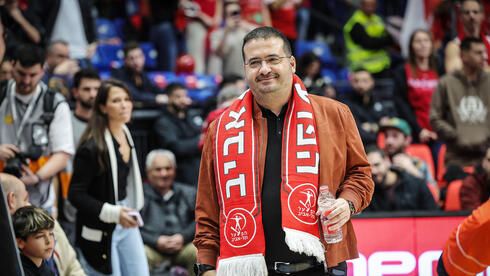
Hapoel Tel Aviv targets €500 million valuation in major capital raise to fund EuroLeague ambitions and new arena
The club has hired a European investment banker to find investors, with new shareholders potentially acquiring up to half of its controlling company. The fundraising depends on securing a long-term EuroLeague license.
The owners of Hapoel Tel Aviv basketball club are preparing a major capital raise that could dilute the stakes of existing shareholders in the club's controlling company, Yannay Sport, by up to 50%. The proceeds are intended to finance the acquisition of a long-term EuroLeague license and the construction of a new, privately owned arena.
Calcalist has learned that Hapoel has hired a European investment banker specializing in the sports sector to find new investors, based on a target valuation of up to €500 million for the club. The figure is exceptionally ambitious, significantly exceeding the valuations implied by previous investments in the club. The fundraising effort is being led by Ofer Yannay, the club's largest shareholder.
The capital raise is contingent on Hapoel securing a long-term license to participate in the EuroLeague, a matter currently under negotiation with the league's management. In Israel, only Maccabi Tel Aviv currently holds a permanent license. According to reports and estimates, obtaining such a license could require an entry payment of up to $90 million.
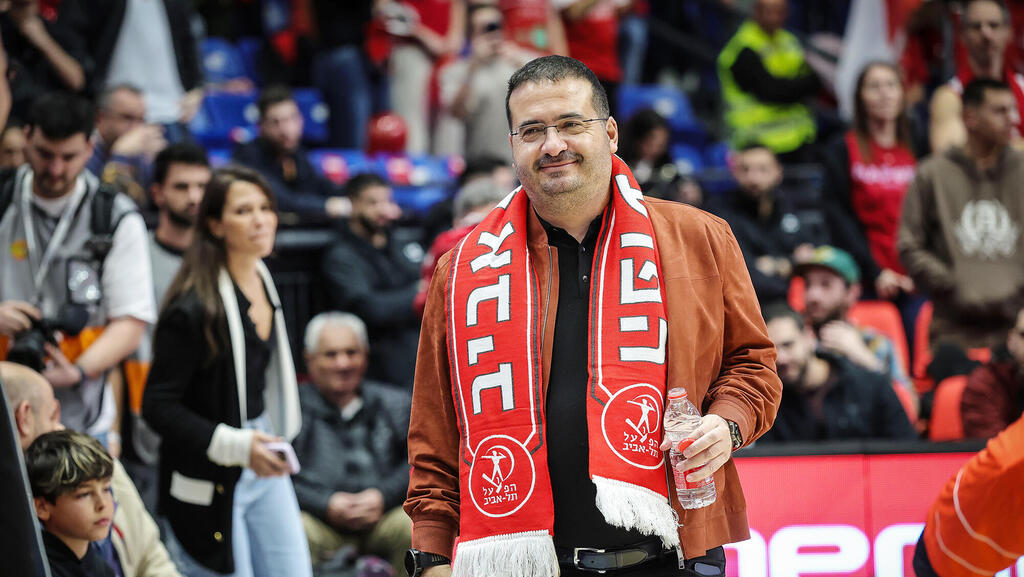
The proposed valuation also represents a substantial increase over the price implied by a transaction in August 2026, when Yannay sold a 20% stake in Yannay Sport to his existing partners for $50 million. The deal reduced his ownership from 60% to 40%, leaving Gili Raanan, Micky Malka and Alan Howard with 20% each.
That transaction implied a valuation of approximately $250 million for Yannay Sport. Since the company owns 81% of the Hapoel Tel Aviv operating entity, Adom Nihul Sal, the deal translates into a valuation of approximately $308 million, or about NIS 916 million, for the entire club. The current fundraising target of up to €500 million, equivalent to approximately NIS 1.8 billion, is therefore considerably higher.
The August transaction followed a series of investments that brought prominent business figures into the club's ownership group. In November 2025, British billionaire Alan Howard joined the group, acquiring a 15% stake in the management company at a valuation of approximately NIS 367 million. Before that, Micky Malka purchased a 15% stake for approximately NIS 27 million, in a transaction that valued the club at NIS 180 million as of June 2025. In February 2025, Gili Raanan, founder of venture capital fund Cyberstarts, acquired a 10% stake for approximately NIS 10 million, based on a valuation of NIS 125 million.
The new fundraising is expected to take place through the issuance of shares in Yannay Sport, which owns 81% of Adom Nihul Sal, the entity operating Hapoel Tel Aviv. The remaining 19% is held by the fans' association, Hapoel Ussishkin.
Yannay currently owns 40% of Yannay Sport, while Raanan, Malka and Howard each hold 20%. Under the proposed offering, new investors could acquire up to 50% of Yannay Sport, diluting the stakes of the existing shareholders. The current owners would also have the option of investing additional capital to preserve some of their holdings.
Beyond the potential EuroLeague entry payment, the main use of the proceeds would be the construction of a new arena owned by the club. The planned facility would accommodate up to 20,000 spectators and host concerts and other commercial activities throughout the year. The aim is to create a substantial additional revenue stream, reducing the club's reliance on owner funding and match-day income.
The fundraising effort is tied to broader changes in the EuroLeague's business model. Securing a long-term license is expected to give Hapoel a share of the league's revenues. The club estimates that broadcasting rights alone could generate as much as €20 million annually for each team.
At the same time, Financial Fair Play rules restrict the extent to which clubs can rely on capital injections from their owners. A new arena and additional commercial income would therefore help Hapoel expand its revenues and player budget while remaining within the league's financial framework.
The proposed €500 million valuation is ambitious even by the standards of Europe's leading basketball clubs. A valuation study conducted by Spanish investment bank JB Capital for the EuroLeague and published in March put the combined value of clubs holding long-term licenses at approximately €1.8 billion. Individual valuations ranged from €60 million to more than €320 million, with Real Madrid among the clubs reportedly valued above that threshold.
EuroLeague management nevertheless expects the transition toward a system of permanent franchises to increase the value of participating clubs in the coming years. Hapoel's fundraising plans reflect that expectation, but the proposed valuation will depend on securing the long-term license and demonstrating that the club can build sustainable revenues beyond its owners' financial backing.



