









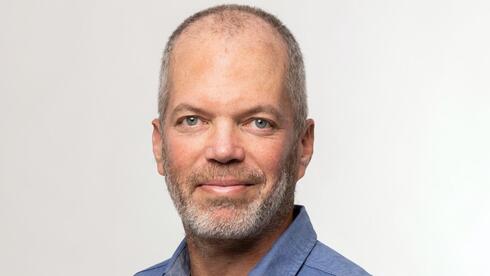


"Capital is flowing into the market, but it is more selective, more money going to fewer companies"
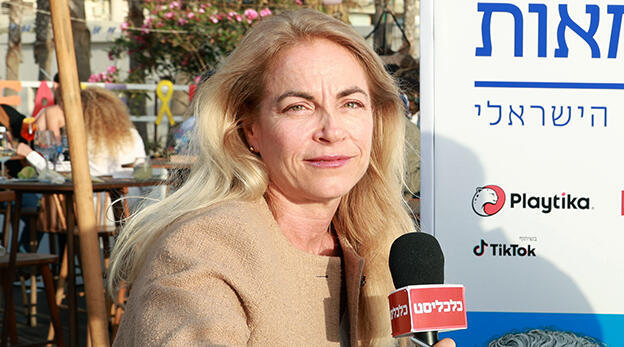
Delia Pekelman, SVP Corporate and Growth at LeumiTech, spoke at Calcalist's Tech Independence 2026 event about how startups are dealing with the AI revolution: "More mature growth companies must integrate AI in a meaningful way. That often requires rethinking and rebuilding core technology and products."
How are startups dealing with the dollar's plunge, what is expected in the near future, and how is the AI roller coaster affecting the day-to-day conduct of startups? These questions were addressed at Calcalist's Tech Independence 2026 event by Delia Pekelman, SVP Corporate and Growth at LeumiTech.
According to Pekelman, "Startups are returning to growth. We recently issued a report with IVC Research Center showing that the last quarter of 2025 and the first quarter of 2026 saw total fundraising of approximately $3.5 billion. The first quarter of 2026 recorded 50% growth compared to the previous quarter. Not long ago, Vintage Investment Partners published a report stating that Series A valuations increased by 43% between 2023 and 2025. In other words, it is in these difficult years that foreign investors become more aggressive in backing Israeli companies, suggesting that the overall situation is improving."
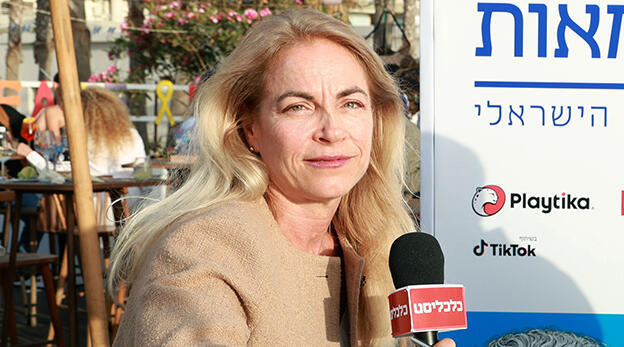
Pekelman also noted: "Looking ahead, capital is flowing, but it is more selective, more money going to fewer companies. The bar is rising, expectations are higher, and it is more difficult to raise funds. This is no longer a market where vision and promise alone are enough to secure investment."
In the current economic uncertainty, driven by wars and artificial intelligence, how can a startup create real conditions for growth and not just survival? According to Pekelman, "Today’s concept of growth is different. It's not just about chasing as much revenue as possible; it's about building sustainable growth. It’s more about building a company and less about building a product. The companies I see succeeding are those that know how to focus. They don’t chase everything, they concentrate on the one area where they can win."
Regarding artificial intelligence and its impact, Pekelman explained: "It’s happening simultaneously and is part of the broader story. The impact of AI is unlike anything we’ve seen before, it’s profound and disruptive. On the one hand, it boosts productivity, allowing small companies to develop products quickly, which is a major advantage for Israeli startups. On the other hand, everyone can move faster, so competition is no longer just about product or technology, it’s about much more. You need data, speed, distribution, and scale. The question is not how AI affects companies, but how they organize themselves around AI. Those that are AI-native, accustomed to working with AI, have a clear advantage. But more mature growth companies, five or six years old, must integrate AI in a meaningful way. That often requires rethinking and rebuilding core technology and products. This is something Israeli entrepreneurs tend to excel at. In my view, AI represents more of an opportunity than a risk."
In addition, the weakening of the dollar against the shekel is being felt strongly, particularly among export-oriented startups. According to Pekelman, "Understanding that this is not just a macroeconomic figure but a core business factor is essential at the entrepreneur and CEO level. My advice to managers is to actively manage currency exposure. You raise funds in dollars, sell globally, but operate in shekels. There are tools in the market to manage this. Large companies hedge, smaller companies convert, what matters most is not being caught off guard. Currency exposure should be managed like any other business risk."



