










Israel’s war with Iran costs up to $550 million a day
Defense officials warn total bill could exceed $12.9 billion within a month.
The average daily military cost of the fighting with Iran is estimated at between NIS 1.5 billion and NIS 1.7 billion (approximately $480 million-$550 million), according to defense establishment sources.
The first three days of the campaign were significantly more expensive and intense, with daily costs ranging from NIS 2 billion to NIS 3 billion ($645 million-$970 million). On the second day alone, the Israeli Air Force reportedly used a volume of munitions equivalent to its total consumption during the entire 12-day conflict in June last year.
That previous round of fighting cost roughly NIS 20 billion (about $6.45 billion), averaging nearly NIS 1.7 billion ($550 million) per day.
Since the third day of the current campaign, officials say the pace of Israeli strikes has moderated, leading to a decline in ammunition use. As a result, the average daily cost has fallen to roughly half the level recorded in the opening phase.
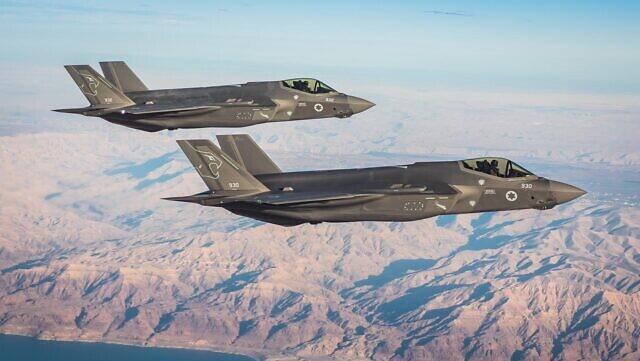
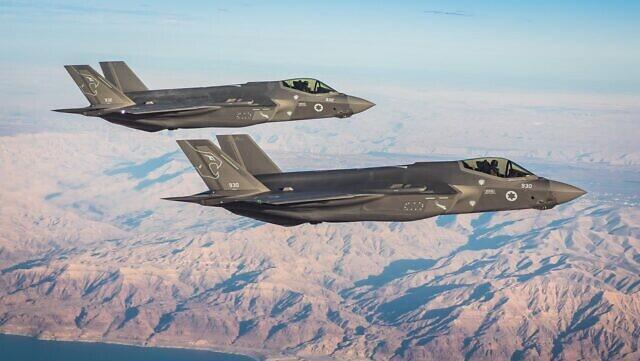
The costs include not only aerial munitions but also the flight hours of hundreds of aircraft, fuel consumption, and interceptor missiles launched by air defense systems against Iranian ballistic missiles and Hezbollah rocket fire from Lebanon.
Pre-war estimates by the IDF suggested that 30 days of fighting could cost between NIS 39 billion and NIS 40 billion ($12.6 billion-$12.9 billion), roughly double the cost of last year’s conflict. These projections include expanded deployments of forces for both offensive and defensive operations.
So far, the government has allocated approximately NIS 28 billion (about $9 billion) to finance the current campaign, alongside an additional NIS 4 billion ($1.3 billion) added to the defense budget base.
These figures do not include the potential cost of a ground operation in Lebanon. The defense establishment is awaiting guidance from the political leadership on the scope of activity along the northern border. The scale and duration of any such maneuver, alongside the continued mobilization of around 130,000 reservists, could significantly increase overall costs.
Meanwhile, fighting with Hezbollah has intensified in recent days, including missile launches deep into Israeli territory and sustained barrages targeting northern communities. The group’s continued capabilities have raised questions within the defense establishment about earlier assessments of the damage inflicted during the previous round of fighting, which ended in November 2024.
Against this backdrop, the 2026 defense budget, initially planned at around NIS 112 billion ($36.1 billion) following opposition from the Finance Ministry to a higher request, has effectively been revised upward. The defense establishment ultimately secured a budget of NIS 144 billion ($46.5 billion) due to the escalating costs of the conflict.
Officials now estimate that an additional NIS 33 billion (approximately $10.6 billion) may be required by the end of the year, reflecting ongoing operational needs and the possibility of prolonged fighting.



