










Elite special ops veterans and a16z-backed Limy raises $10 million to help brands conquer the agentic web
The startup’s platform tracks AI agent behavior across the web, giving Fortune 100 brands measurable insights into visibility, engagement, and revenue in the emerging “Agentic Web.”
Limy has raised $10 million in a funding round led by Flybridge Capital, with participation from Andreessen Horowitz (a16z) speedrun and additional investors including Axiom, AnD, and Clarim Communitas. The company, which was founded last year, employs around 20 people.
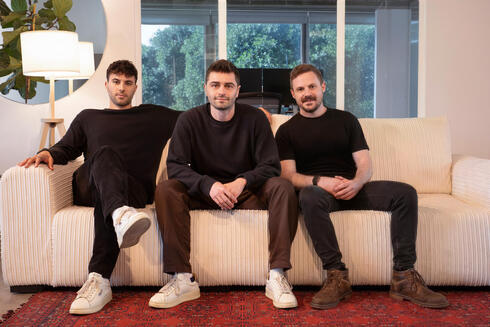
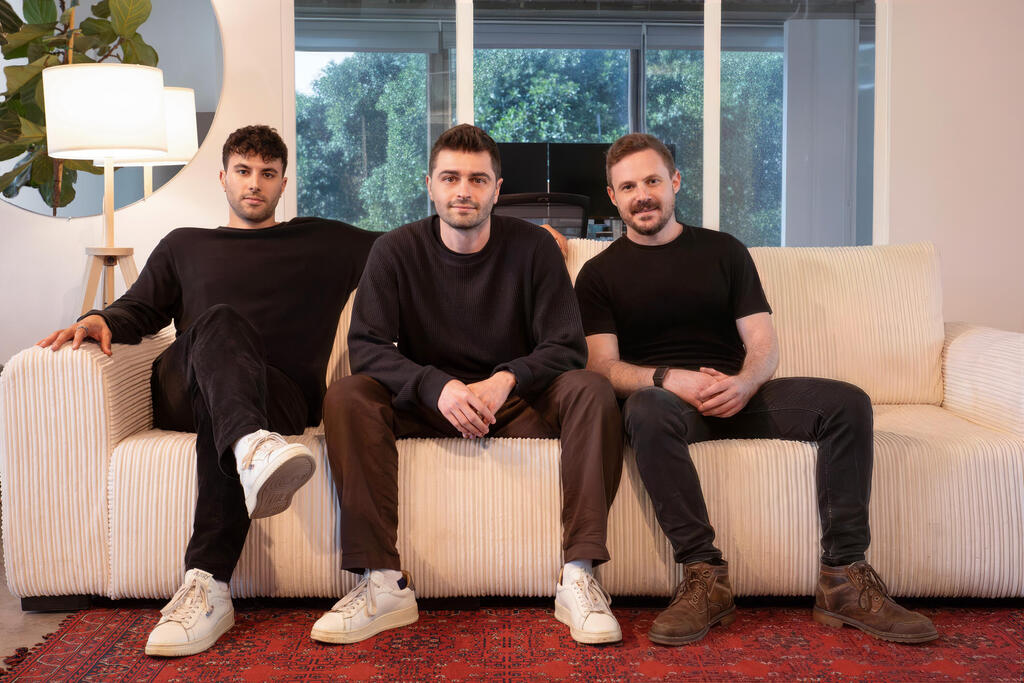
Limy was founded by CEO Aviv Shamny, COO Ido Zabarsky and CTO Ori Riechman. Shamny and Zabarsky previously served together in Maglan, an elite special operations unit in the Israel Defense Forces specializing in behind-enemy-lines missions, long-range reconnaissance, and deep-strike operations. Zabarsky was Shamny’s team commander during their service, and the two later maintained a close professional relationship. Both Shamny and Zabarsky are also a16z speedrun scouts in Israel.
Limy describes itself as an infrastructure platform designed for the “agentic web,” an emerging environment in which AI agents retrieve information, evaluate options, and carry out actions on behalf of users. Rather than focusing on traditional user behavior, Limy tracks how AI agents and bots interact with a brand’s website: what information they extract, which paths they follow, and where actions do or do not occur.
Limy’s technology operates at what it calls the infrastructure layer of the web, sitting between a brand’s domain and the wider internet. By observing every agent and bot interaction within a site, the platform generates proprietary data about agent behavior, data it says can be used to improve discoverability, influence AI-driven decision making, and connect prompts directly to business outcomes.
Limy already works with hundreds of customers, including Fortune 100 companies such as AstraZeneca, Samsung, and KIA. Some customers attribute approximately 10% of their revenue directly to activity driven through Limy’s platform.
“Ido and I met in Maglan and became close friends. Ori is also a longtime friend, and together we combine deep operational discipline with strong technological execution,” Shamny said. “Companies want to appear in answers across every GPT conversation. We’ve built a technological layer that sits directly in a company’s pipeline. Every time bots arrive, we understand their intent and guide them to the most relevant content.”
Shamny added that while most competitors focus on optimizing for human users, Limy approaches the problem from the agent’s perspective. “Our competitors mainly deal with the user side. We focus on the agent side. This is a new era of information consumption. We already have around 250 large customers and meaningful revenues, based on a subscription and usage model.”
The company says the round was significantly oversubscribed. “We chose to raise $10 million and no more, because we want to scale aggressively but responsibly,” Shamny said. “Within a year, we expect to grow to around 120 employees and will likely raise additional rounds later on.”
Reflecting on the past year, Shamny added that he was wounded during the early days of the war. “I was injured at the beginning of the war, and two days later I was back in Gaza. On the morning of the war, I was operating in Kfar Aza with my team.”
“We’ve been highly impressed with Limy’s distinct approach to AI discoverability, leveraging its proprietary data based on agentic behavior rather than user activity,” said Troy Kirwin, Investment Partner at a16z speedrun. “We’re excited to be backing Limy, who are at the forefront of AI optimization and advertising in our emerging Agentic Web era. We have the utmost confidence in the founding team’s technical prowess and leadership.”



