










Smartphone review
Nothing Phone 3 review: Stylish, capable, but not quite a flagship
A unique phone with a distinctive identity, but performance lags behind rivals.
Top Line
From Nothing’s perspective, the Phone 3 is a flagship device, even if, on paper, its specifications don’t fully match up with its top-tier competitors. In daily use, that difference might not be noticeable. However, its processor is less powerful than what you'd find in true flagship devices.
Its AI capabilities are far behind those of its rivals. The cameras perform well, the display is bright and crisp, and while the phone is stylish, it’s also large and heavy. The new circular rear screen is a better idea than the LED lights in previous models, though it remains more of a gimmick than a necessity.
The main issue is pricing. The Phone 2 was slightly cheaper than its competitors, helping Nothing position itself as a value-focused brand. The Phone 3, however, starts at over $900 and climbs to $1,100, the same price range as Samsung’s Galaxy S25 and S25 Plus. That makes it a tough sell.
Design: Evolution Over Revolution
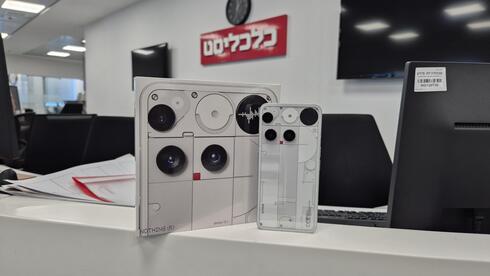
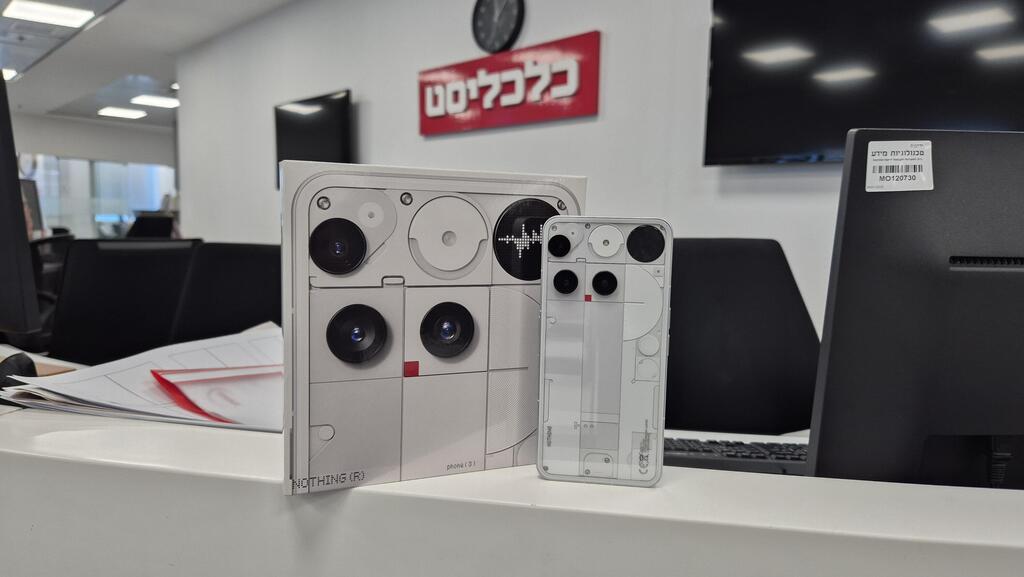
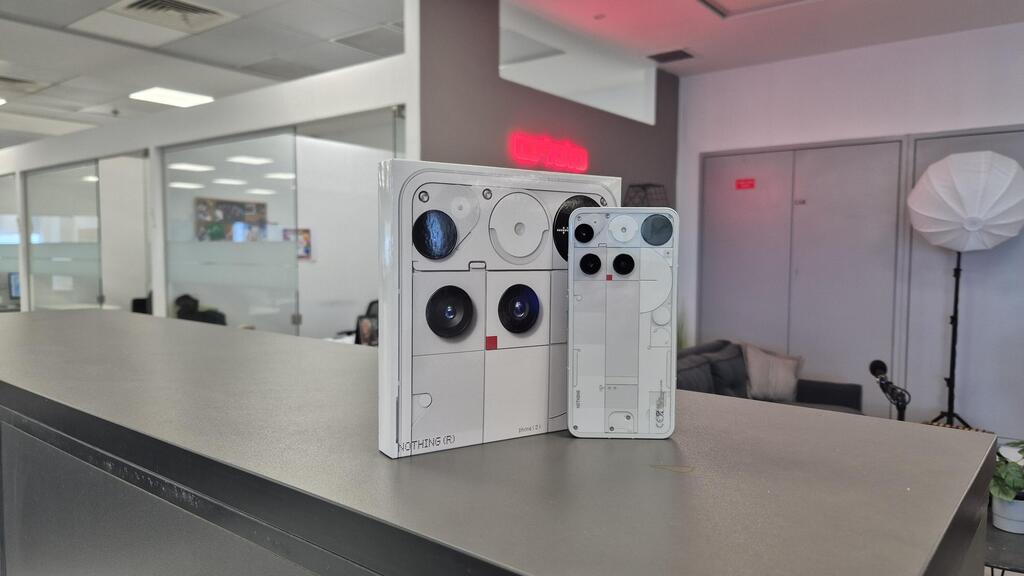
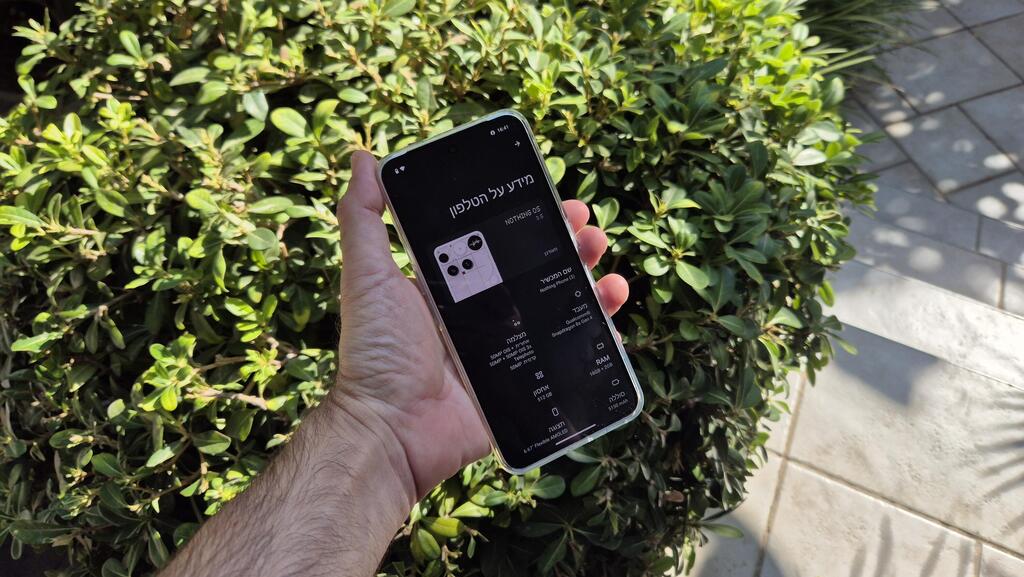
Nothing has maintained its bold design language while making small but significant changes. The Phone 3 is large and heavy (218g) with a flat 6.67-inch screen. The transparent back remains, but the layout of the cameras and flash has changed.
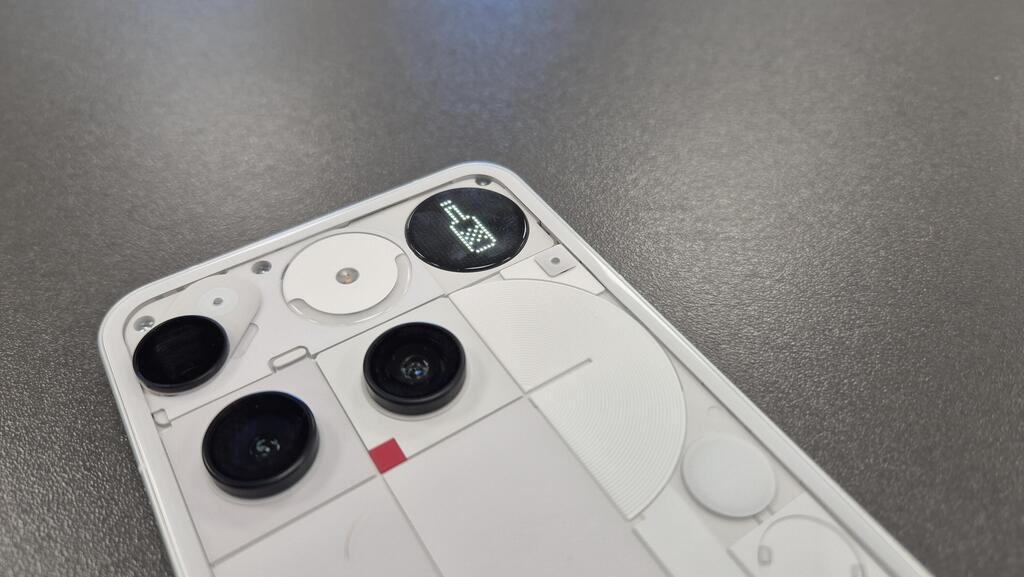
Gone are the signature LED lights. In their place is a new round screen on the back, which can display a clock, battery percentage, a countdown timer, or a novelty spinning bottle game. The idea is to reduce screen time by letting users check basic information without flipping the phone over.
This time, the back is flat and less slippery, offering better stability. The phone ships with a basic transparent silicone case with appropriate cutouts.
The device features Gorilla Glass 7i on the front, Gorilla Glass Victus on the back, and IP68 water and dust resistance. Build quality feels premium.
Performance: Powerful, But Not Elite
The Phone 3 uses Qualcomm’s Snapdragon 8s Gen 3 chip, a step down from the Snapdragon 8 Gen 3 "Elite" found in most Android flagships. Still, with 12GB or 16GB RAM and 256GB or 512GB of storage, it performs admirably in day-to-day tasks, gaming, and multitasking.
Battery life is solid with a 5,150 mAh capacity. It supports 65W fast charging (charger not included), charging from 15% to 50% in 15 minutes and reaching full charge in under an hour.
The screen is sharp and bright enough for use in direct sunlight. The under-display fingerprint sensor is responsive, and eSIM support is included.
Software: Familiar Yet Distinct
Running Android 15 with Nothing OS 3.5, the interface has evolved from earlier versions. The once-default monochrome icons and retro fonts are now optional, giving users more flexibility.
The OS remains close to stock Android, clean, lightweight, and intuitive, with a few fun touches. Users can toggle between gesture navigation and traditional buttons. An app drawer auto-organizes apps by category if desired.
The built-in AI tool, Essential Space, is a notes and screenshot manager. It transcribes voice memos (including in Hebrew) and links them with screenshots, though results are inconsistent. Oddly, this transcription isn’t available in the standard voice recorder.
One downside: the Essential Space shortcut button sits right below the power button, making accidental presses frequent.
Cameras: Solid All Around
The Phone 3 features three 50MP rear cameras, main, ultra-wide, and a periscope telephoto lens with 3x optical zoom. The front-facing selfie camera is also 50MP.
Photo quality is high in most conditions. Night shots are good, though some noise and softness can appear. Digital zoom extends to 60x, supported by AI features like Superres. While image quality degrades at high zoom levels, results are surprisingly usable up to 30x.



