










Cybersecurity, defense and chips: AI reshapes Israel’s exit market
Over 50 acquisitions in H1 2026 show how artificial intelligence is redefining valuation and strategic priorities.
The global race to secure artificial intelligence capabilities has triggered one of the busiest acquisition periods in the history of Israel's technology industry, as international technology giants, cybersecurity leaders, defense contractors and financial firms rushed to buy Israeli innovation.
According to CTech data, more than 50 mergers and acquisitions involving Israeli startups and technology companies were announced during the first six months of 2026, spanning sectors from cybersecurity and semiconductors to fintech, healthcare, enterprise software and defense technology. While deal values varied from tens of millions of dollars to multi-billion-dollar transactions, a common theme emerged across almost every acquisition: AI has become the strategic driver behind corporate dealmaking.
The industry's largest transactions reflected how deeply AI has reshaped the market. Apple agreed to acquire Israeli AI startup Q.ai for $1.5 billion to strengthen its wearable-device ambitions, while Motorola Solutions agreed to buy drone defense specialist D-Fend for $1.5 billion as autonomous warfare becomes an increasingly important part of modern defense. Semiconductor company Credo announced plans to acquire optical chip developer DustPhotonics in a transaction worth up to $1.3 billion, underscoring the growing importance of AI infrastructure.
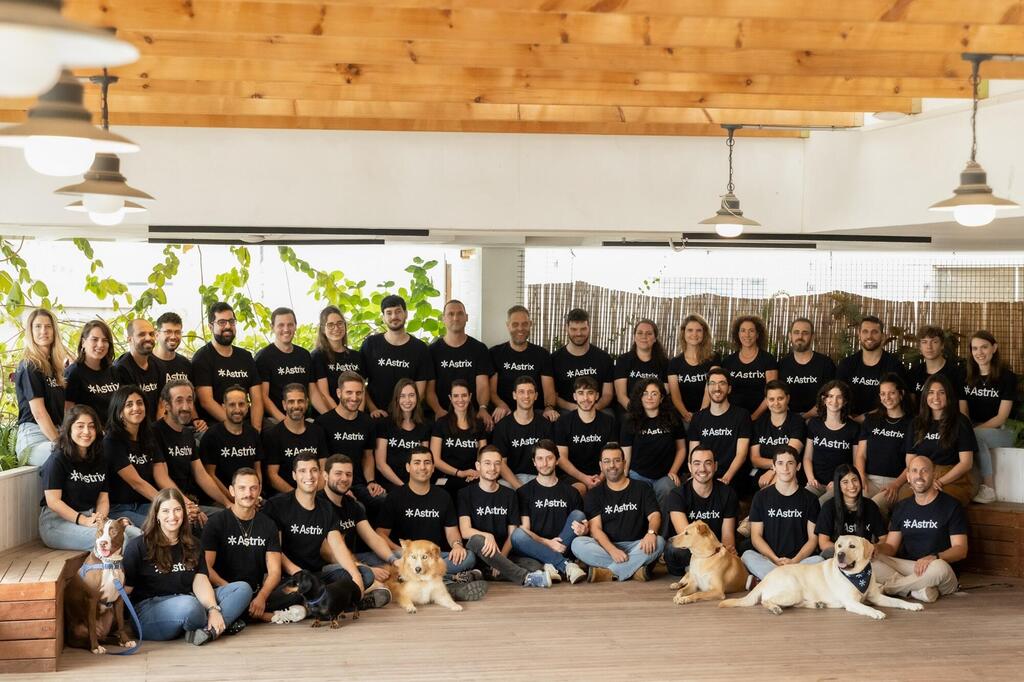
Cybersecurity remained the dominant sector for Israeli acquisitions, with many of the industry's largest players competing to strengthen their AI-era offerings. Cisco acquired Astrix for $400 million to address growing risks posed by non-human identities, while Palo Alto Networks bought one-year-old startup Koi for $400 million to bolster protections against autonomous AI agents operating inside enterprise systems. CrowdStrike paid $400 million for browser security company Seraphic, and SailPoint acquired Entro Security for $200 million as organizations increasingly focused on securing machine identities rather than only human users.
The consolidation extended well beyond international buyers. Israeli cybersecurity companies themselves became active acquirers, reflecting rapid consolidation across the industry. Cyber unicorn Cyera acquired Ryft for between $100 million and $130 million before later purchasing Genie Security for $50 million. Check Point continued its domestic buying spree with acquisitions including Deepchecks' team and technology, alongside purchases of Cyclops Security and Cyata. Torq bought Jit to strengthen its AI-powered security operations platform, while earlier this week Belgian cyber unicorn Aikido expanded into Israel through the acquisition of Root for an estimated $70 million to $100 million.
Artificial intelligence also transformed enterprise software acquisitions. Canadian password manager 1Password acquired identity startup Apono in a deal valued at $250 million to $300 million as it expanded beyond password management into AI-era access governance. Enterprise software company Coupa acquired Tonkean to deepen its autonomous procurement capabilities, while Amdocs purchased startup Yess to integrate AI agents into telecommunications software. Priority also expanded its AI ambitions by acquiring cash flow forecasting startup Obol, marking its fourth acquisition since being taken private by Blackstone.
Fintech remained another active area of consolidation. Canadian payments company Nuvei agreed to acquire Payoneer for $2.75 billion to take it private once more in one of the year's largest global fintech transactions, while Western Union bought Israeli payments company GMT for $70 million. PayPal strengthened its retail commerce infrastructure through the acquisition of Cymbio, and eToro purchased crypto wallet provider Zengo for $70 million to expand its digital asset offerings.
Semiconductor and AI infrastructure companies also attracted significant strategic interest as demand for AI computing accelerated. Nvidia acquired enterprise AI startup Illumex for $60 million, while Molex agreed to buy optical connectivity company Teramount for $430 million. These transactions reflected growing demand for technologies enabling faster data movement and better enterprise AI deployment.
Defense technology emerged as another major beneficiary of geopolitical tensions and rising military spending. Alongside Motorola's acquisition of D-Fend, Ondas agreed to acquire military software developer Omnisys for $200 million to expand its AI-driven battlefield systems, while Elbit Systems purchased Bluewhite to strengthen its autonomous robotics capabilities.
Healthcare technology also produced notable exits. Medtronic agreed to acquire AI cardiology company CathWorks for $585 million, with the transaction potentially reaching $1 billion, while Artivion announced the acquisition of Endospan in a deal worth up to $335 million. Guardant Health expanded internationally through the acquisition of cancer detection startup MetaSight for up to $150 million, establishing its first research and development center outside the United States.
Several transactions highlighted how quickly promising startups are now being acquired. Koi was purchased just one year after its founding, while Genie Security had existed for only five months before being acquired by Cyera. Fabrix, another one-year-old AI startup, was acquired by cyber unicorn Silverfort after raising just $8 million in Seed funding. The rapid pace of these deals illustrates how large technology companies are increasingly willing to acquire promising AI technologies long before they reach maturity.
Not every deal involved a foreign buyer. Israeli companies also used acquisitions to strengthen their own competitive positions, while several mergers reflected efforts to build larger AI-focused businesses. Mobileye agreed to acquire Mentee Robotics for $900 million to expand into humanoid robotics, Fireblocks acquired blockchain accounting platform TRES Finance, and Trax merged with retail technology company Form to expand AI-powered in-store analytics.
Taken together, the transactions point to a profound shift in what buyers value most. Artificial intelligence was no longer treated as a standalone product category, but as a foundational capability embedded across cybersecurity, enterprise software, semiconductors, defense systems, healthcare, financial services and industrial technology.



