







"In Israel, the best talent starts companies": Why US CISO Karl Mattson keeps backing Israeli founders
The Minneapolis-based security executive and investor, whose fund has made 17 investments, says Israeli founders often misread the American buyer, and that the anchor technologies of the agentic era have yet to be built.
Karl Mattson has spent his career on the buying side of cybersecurity, as an enterprise CISO at American financial services companies. As an investor at his fund Squared Circle Ventures, though, his attention keeps landing in Israel.
"What I find with Israeli companies is that they're led by extraordinary engineering talent who also have really great leadership and management talent," Mattson told CTech. "That's one thing that I see out of the founder cohort each year, is that it's the best of the best."
The contrast with the US, he said, is where top talent ends up. "I don't think I see that coming out of, say, American ecosystems," he said. "Maybe the best talent goes to OpenAI or maybe goes to Google or Microsoft. Here, the best talent starts companies."
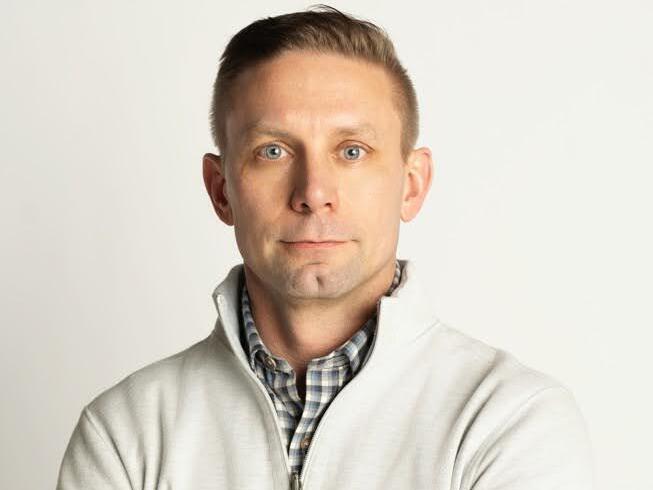
Mattson invests through two vehicles. Before launching his fund, he built a personal portfolio of about 20 companies, an investment history that runs through July of last year. The fund itself has since made 17 investments, in companies with an average age of 7.1 months. "It's a very, very young cohort of companies," he said, adding that the fund has no exits yet. He does not disclose dollar figures.
Where founders misfire
Asked what Israeli founders consistently get wrong when selling to American CISOs, Mattson pointed to the machinery behind every purchase. "Oftentimes what they get wrong is they don't understand the bureaucracy of the organizations that they're selling to," he said. "For some founders, that becomes a point of significant frustration, or even just misfiring on who their customer is and what their customer needs."
For a financial services CISO, procurement life cycles, budgeting and audit are central to the job. A founder focused on solving a technical pain point, Mattson said, "may not appreciate all of those kinds of variables that their buyer is going through every day." That intense focus on the problem produces good software, he added, but not necessarily empathy for the buyer's experience.
Like every investor in the sector, Mattson is fielding a steady stream of AI and agentic security pitches. He frames the moment through the cloud's history. "If I go back 10, 15 years to the cloud era, the cloud existed for a couple of years before things like Docker and Kubernetes and serverless functions existed," he said. "Those became anchor technologies in a cloud environment."
The agentic market, in his view, is still in that earlier phase. "What we're seeing is an explosion of technologies that may not survive," he said. "I don't believe we have given birth to the anchor technologies of the future agentic network."
What he wants to fund is a new layer of infrastructure: the systems agents will use "to perform their functions and to communicate amongst each other." Agentic browsers are one early example, "exactly the kind of technology that I think we'll see a lot more of over the next few years," he said. "What I'm listening for is AI infrastructure, and then securing those infrastructure components."
Argentina, Jamaica and institutional memory
Mattson likes to compare Israel's position in cybersecurity to Argentina's in football, or Jamaica's in sprinting: relatively small countries where the selection funnel for a single discipline starts in grade school and runs all the way to the professional ranks. "Feel free to change the country and sport," he said.
In the US, by contrast, athletic excellence is spread across football, basketball, baseball and everything else. "We don't really have a consistency of where all of the rails of sport lead to one location," he said.
What that concentration builds, he argued, is institutional memory. "Institutional memory in any area, from winemaking in Italy to playing soccer in Argentina, matters," Mattson said. "I think Israel has institutional memory that creates technologists, innovation, the ecosystem we see today."



