










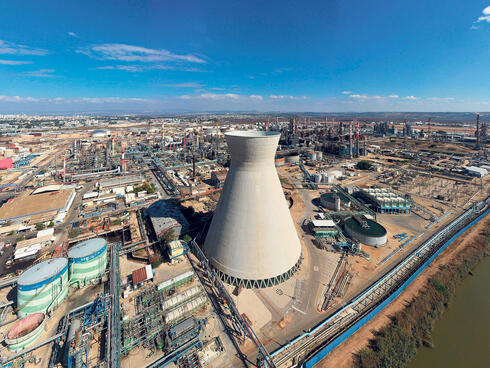
Bazan returns to full capacity after Iran’s 2025 strike, despite new missile damage
The company recovers from deadly attack that shut facilities as recent strike causes only minor disruption.
Bazan Group has returned to full operating capacity after missiles struck its Haifa Bay complex during the Iran-Israel escalation in June of last year. One of the missiles launched from Iran killed three workers and destroyed a power plant that supplied electricity to most of the company’s facilities.
According to Bazan CEO Rafael Maman, “Apart from the electricity redundancy we still require, operations related to distillate processing have returned to full capacity.” Alongside efforts to repair the extensive damage caused in the previous conflict, fragments from an intercepted Iranian missile hit the Haifa complex last week, causing what the company described as minor damage.
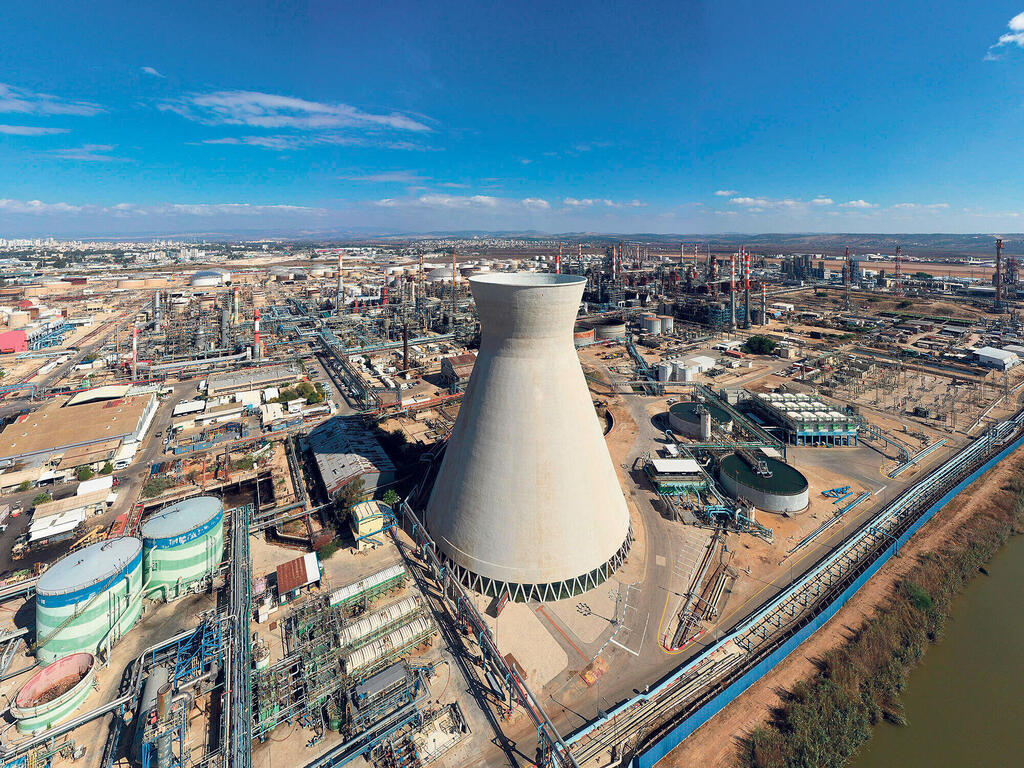
The main impact was to a facility operated by Israel Natural Gas Lines, disrupting the supply of natural gas used by Bazan. The damage was repaired over the weekend.
Bazan Chairman, Maj. Gen. (res.) Moshe Kaplinsky, told Calcalist that “we managed to repair the damage with our own teams and at record speed.” Addressing renewed calls to accelerate the government’s plan to evacuate Bazan from Haifa Bay by the end of the decade, he added: “Over the past two and a half years, all stakeholders in the energy sector have come to understand that without Bazan’s refining capacity, the economy’s needs cannot be met. Only we can meet the immediate energy needs of the economy, and I am pleased that this understanding has reached decision-makers.”
He noted that Energy Minister Eli Cohen has proposed relocating Bazan to southern Israel, while State Comptroller Matanyahu Englman recently recommended reassessing the government’s evacuation plan.
The damage caused in the previous conflict and the resulting loss of profits is estimated at approximately $220 million. The company believes its insurance coverage, around $250 million, is sufficient. So far, Bazan has received advance payments covering about 75% of the losses, totaling approximately $155 million.
Despite the operational disruptions caused by missile strikes, the company reported improved profitability in the final quarter of 2025, supported by strong refining margins.
Bazan posted a net profit of $69.1 million in the fourth quarter of 2025, compared to about $18 million in the same period a year earlier. EBITDA (earnings before interest, taxes, depreciation, and amortization) rose 87% in the quarter to nearly $200 million.
However, for the full year, net profit declined by 58% compared to 2024, totaling approximately $47 million, reflecting the impact of missile damage and a global decline in distillate prices.



