










Nebius acquires 10-month-old stealth AI startup Inferize in $100-150 million deal
The Israeli startup, which was founded by former Granulate executives and employs 17 people, built technology designed to reduce idle GPU capacity when AI demand changes.
Nebius, the Nasdaq-listed AI cloud company led by Arkady Volozh, has acquired Israeli startup Inferize, adding technology designed to reduce the amount of expensive GPU capacity that sits idle when AI models are launched or demand changes.
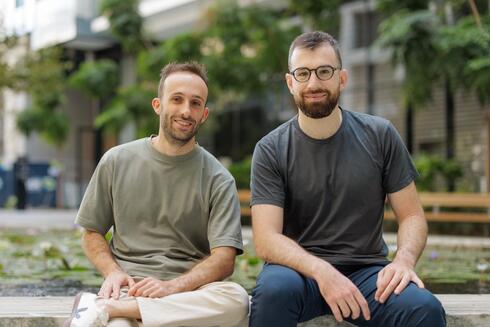
The financial terms of the acquisition were not disclosed, but the deal is estimated at $100-$150 million. Inferize was founded in early 2026 by Guy Bortnikov and Lior Gorbonos, both members of the founding team of Israeli infrastructure optimization company Granulate. The company had been operating in stealth and was only about 10 months old. It had raised a Seed round led by TLV Partners and prominent angel investors and employed 17 people at its Tel Aviv offices.
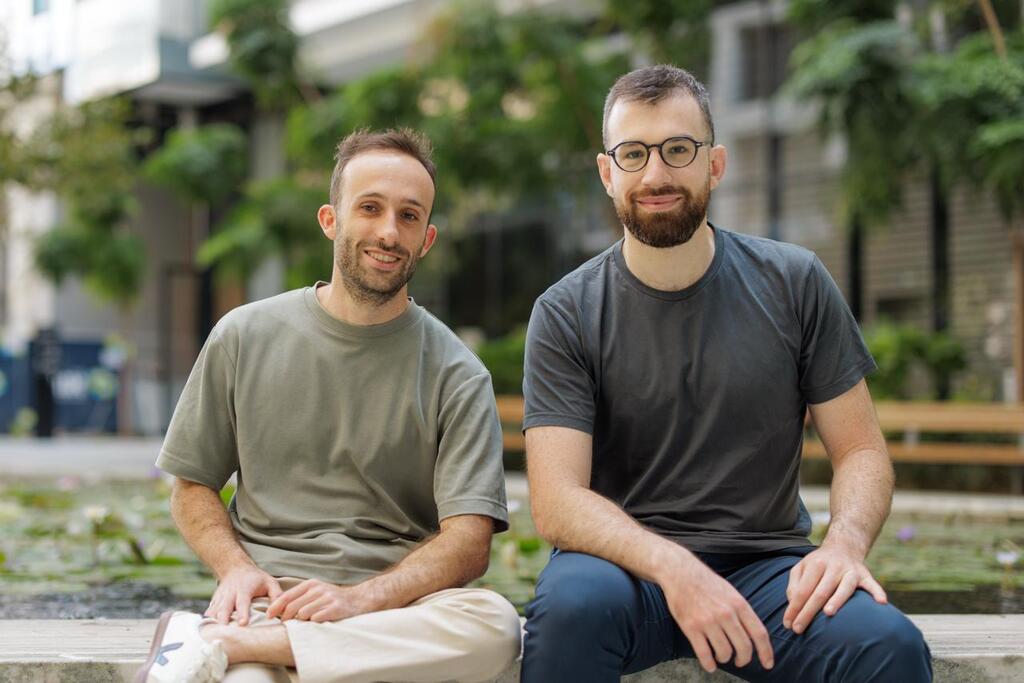
"Keeping spare GPUs running is the price of being ready for demand. Removing that cost is what we built Inferize to do, and Nebius is where it can go straight into the platform,” said Bortnikov. “Our team will work across the stack with one objective: serving more customer demand from every GPU."
The acquisition targets a less visible but increasingly important problem in the AI infrastructure business: what happens to expensive GPUs when demand suddenly changes.
When an AI model needs to serve a request, its weights must first be loaded before the model can begin responding. This delay, known as a cold start, can leave GPUs sitting idle while new instances are brought online. Similar inefficiencies can occur when model weights are updated during workloads such as reinforcement learning.
For companies operating AI services at scale, that creates a difficult trade-off. They can maintain spare computing capacity so they are ready when demand rises, but that means paying for GPUs that may spend significant periods doing nothing. Alternatively, they can operate closer to actual demand and risk failing to respond quickly enough when workloads spike.
Inferize's technology is designed to allow AI inference capacity to scale more closely with actual demand, increasing GPU utilization and potentially reducing the cost of serving each AI request.
The startup developed a working prototype within three months of its founding. Bortnikov, its CEO, previously worked alongside Gorbonos on the founding team of Granulate, an Israeli company that developed software for optimizing computing infrastructure and was acquired by Intel in 2022.
The acquisition is another step for Nebius in building out the software layer around its rapidly expanding AI computing infrastructure.
The company has been pursuing a broader strategy of combining large-scale computing capacity with software and technology acquisitions. In February, Nebius agreed to acquire Israeli startup Tavily for an initial $275 million, with the total value potentially reaching $400 million depending on performance targets. Tavily developed a search layer for AI agents that Nebius plans to integrate into its cloud platform.
Nebius also held acquisition talks with Israeli AI company AI21 this year, although those negotiations ended without a transaction and were replaced by a commercial partnership. AI21 subsequently cut more than 60% of its workforce and shifted its focus toward AI agent optimization technology around its Maestro platform.
The company is simultaneously expanding its physical presence in Israel. Nebius has signed agreements for data center capacity in Israel and was selected to establish a national AI supercomputer, while its broader Israeli infrastructure plans include facilities in Modi’in, Masmiyya and Beit Shemesh.
The expansion reflects a broader shift in the AI infrastructure market. As companies move from training models to deploying them for customers, the cost and speed of inference are becoming increasingly important. Nebius said Inferize will add another layer to Token Factory’s ability to respond to changes in customer demand.
Inferize joins other technologies already being incorporated into the platform. Nebius said Eigen AI brought optimization at the model, kernel and system levels, while the acquisition of Clarifai's core team and licensed technology added system-level inference and compute orchestration.
Shahar Tzafrir, Managing Partner at TLV Partners: “Fortunately, we already knew the team, and they knew us, through our seed investment in Granulate. That relationship is what led them to choose us as their seed investors. We knew what they were capable of. Today, everyone understands how important AI inference infrastructure is, and how meaningful even small improvements can be for the major players. That may sound obvious. But a team that can solve such a complex technological challenge at the deepest levels, while creating this kind of value for the largest players in the market, is exceptionally rare.”



