










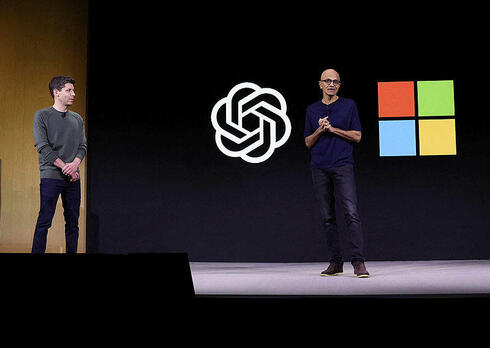
OpenAI overhauls structure, giving nonprofit control and Microsoft a $135 billion stake
Microsoft retains exclusive rights through 2032 as OpenAI Foundation plans $25B for health and AI resilience.
OpenAI has completed a sweeping corporate restructuring that transforms its business into a public benefit corporation and cements Microsoft’s position as its most powerful partner, and investor, with a stake valued at roughly $135 billion.
The move marks a new phase in one of the most consequential alliances in technology, uniting OpenAI’s research ambitions with Microsoft’s commercial might. Both companies framed the change as a step toward long-term stability and alignment as the race to build Artificial General Intelligence (AGI) intensifies.
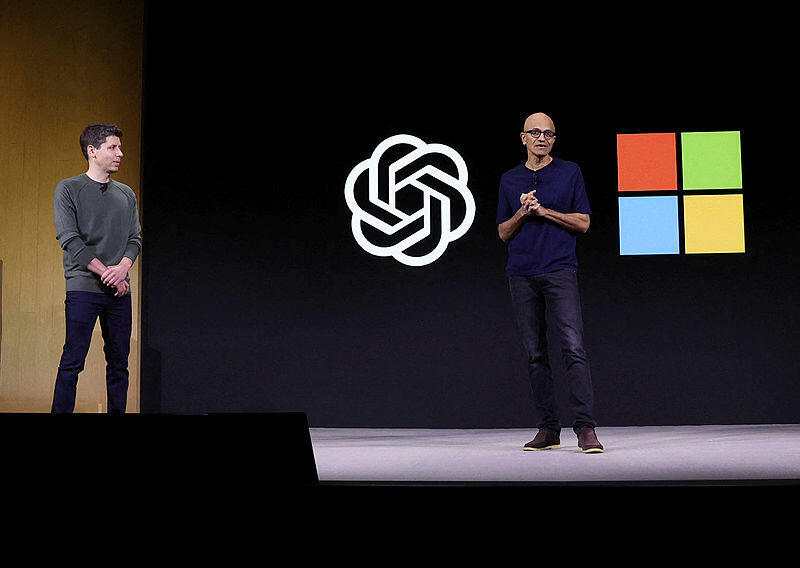
Under the definitive agreement announced Tuesday, OpenAI’s for-profit business will now operate as OpenAI Group PBC, a public benefit corporation controlled by the nonprofit OpenAI Foundation, which holds equity valued at about $130 billion. Microsoft’s investment represents about 27% of the company on an as-converted, diluted basis, down from 32.5% before OpenAI’s recent funding rounds.
The updated structure follows nearly a year of discussions with the Attorneys General of California and Delaware, reflecting regulatory scrutiny of OpenAI’s unusual hybrid design. The company said those talks resulted in governance changes that “strengthen mission-focused oversight,” while giving OpenAI “a direct path to major resources before AGI arrives.”
Bret Taylor, chair of the OpenAI board, said the recapitalization leaves the nonprofit among the most well-funded philanthropic organizations in the world. “The nonprofit remains in control of the for-profit, and now has a direct path to major resources before AGI arrives,” Taylor said.
The OpenAI Foundation plans an initial $25 billion commitment across two causes: accelerating health breakthroughs and building technical resilience for AI systems. It aims to fund open-source medical datasets and research on protecting critical infrastructure from AI-related risks.
“The more OpenAI succeeds as a company, the more the nonprofit’s equity stake will be worth,” Taylor wrote. “That value will directly fund philanthropic work.”
For Microsoft, the new agreement both extends and redefines its relationship with OpenAI. The software giant retains exclusive IP and Azure API rights until AGI is reached and will continue serving as OpenAI’s “frontier model partner.”
However, the revised deal gives both sides more room to innovate independently. Microsoft can now pursue AGI on its own or with third parties, while OpenAI can jointly develop products with other companies, so long as API products remain on Azure. Microsoft’s intellectual property rights for models and products have been extended through 2032, including post-AGI models, subject to safety guardrails.
The companies also agreed to new mechanisms for declaring the arrival of AGI. Any such announcement by OpenAI will now be verified by an independent expert panel.
OpenAI has also committed to purchasing $250 billion in additional Azure services, though Microsoft no longer holds a right of first refusal to be its compute provider. OpenAI may also now provide API access to U.S. government national security customers on any cloud infrastructure, and can release open-weight models meeting defined capability standards.



