










The Wiz founders’ nonprofit behind Israel’s most unusual media deal
The Merit Spread Foundation will serve as the vehicle for the tech entrepreneurs’ bid to acquire Reshet 13, backed by a planned $125 million investment.
The storm surrounding the sale of control of Israel’s Reshet 13 TV channel to a group of high-tech entrepreneurs led by Wiz CEO Assaf Rappaport has turned the spotlight on the entity through which the transaction will be carried out: the Merit Spread Foundation.
The foundation, incorporated as a public benefit corporation (PBC), is expected to serve as the vehicle through which the group will hold control of the broadcaster Reshet 13. The philanthropic platform is taking an unusual step in the Israeli media landscape: the acquisition of a commercial television channel, with the stated goal of ensuring its “editorial independence.”
1 View gallery
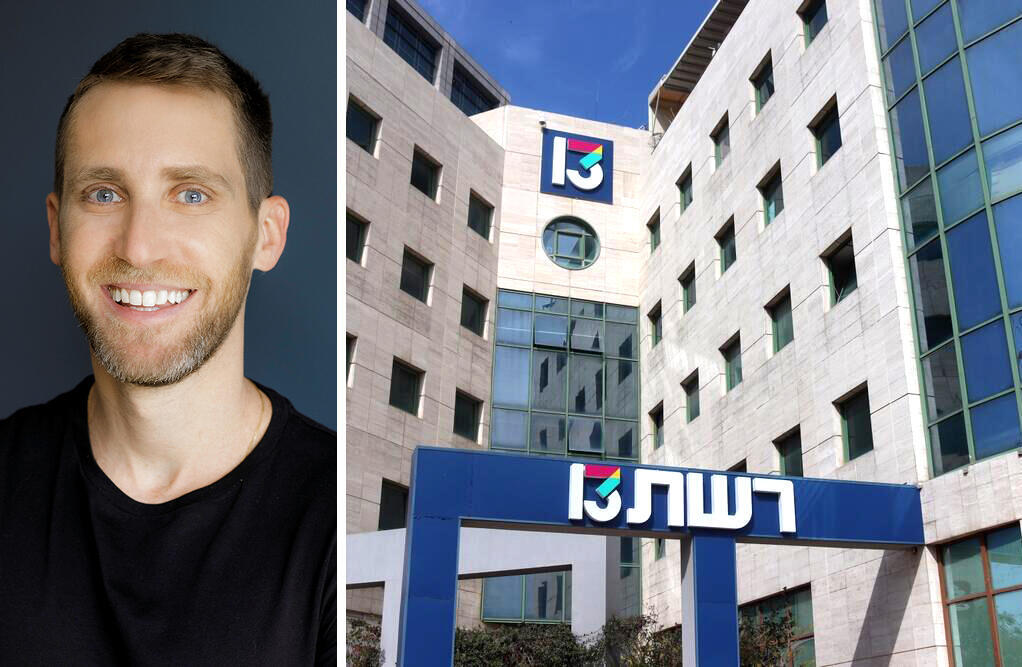
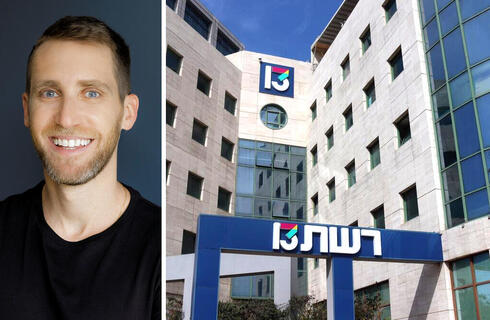
Assaf Rappaport alongside Reshet 13 offices.
(Photos: Vered Barequet / Shutterstock, Omer Hacohen)
Under the terms of the deal, the group is expected to pay up to $25 million for the majority of the shares currently held by Len Blavatnik through his company Access Industries, and has pledged to inject an additional $125 million into the channel over the next three years.
So who stands behind the Merit Spread Foundation?
The foundation was established in December 2021 by Alon Tal, owner and CEO of the Alpha Investment Group, a firm that provides wealth management services to family offices. The foundation’s operating model draws inspiration from donor-advised funds widely used in the United States. It allows large donors to direct funds toward public causes without having to establish their own nonprofit organizations, while promising “zero overhead,” since Alpha finances the foundation’s administrative expenses.
The foundation’s financial statements show a sharp increase in activity since 2023, when it received approval under Section 46 of the Israeli tax code, which grants donors tax benefits for contributions.
In 2024 the foundation reported annual activity totaling NIS 62.7 million. As of that year, it employed 14 staff members and had eight board members.
The foundation’s management and advisory bodies include figures from the public, security and business sectors. Among those involved are Micky Aharonson, former head of the foreign policy division at the Israeli National Security Council; businessman Ilan Admon; and Marian Cohen, Chairman of the High-Tech Association within the Manufacturers' Association of Israel.
The advisory board also includes economists Leo Leiderman and Itamar Rabinovich.
Even before the Reshet 13 transaction, the foundation played a significant operational role following the October 7 attacks, serving as a financial conduit for the headquarters representing the families of the hostages.
At the beginning of the war, before the group had its own organizational infrastructure and approval under Section 46, it relied heavily on the Merit foundation’s legal and operational framework to raise donations and manage financial activity.
According to the foundation’s financial statements, spending on “activities supporting the return of the hostages and assistance to their families” totaled NIS 35.8 million in 2024, in addition to NIS 33.2 million spent in 2023.
These activities included funding advocacy missions abroad, media campaigns and assistance to families of captives.
At the same time, the foundation allocated NIS 14.4 million in 2024 for “activities supporting victims of the Swords of Iron War,” following spending of NIS 9.3 million in 2023.
The organizational structure, which allows flexibility, relative anonymity for donors and professional management of contributions, has also been used by the founders of the cybersecurity company Wiz to channel their personal philanthropy.
During 2024, Rappaport and his co-founder Yinon Costica joined the Merit Foundation and donated 1% of Wiz shares to it, without diluting employees’ holdings.
The foundation recorded the donation at its historical cost of NIS 520 million. However, following the major acquisition agreement under which Google agreed to purchase Wiz for $32 billion in March 2025, the value of the shares held by the foundation has risen to nearly NIS 1 billion.
Once the transaction is completed and the cash proceeds are received, the funds are expected to be invested for the long term, with the returns directed toward financing social initiatives in coordination with Rappaport and Costica.
The move by the Wiz founders reflects a growing trend in Israel of donating shares rather than cash to nonprofit organizations.
The trend gained momentum following a decision by the Israel Tax Authority in May 2024, which allows donors who transfer shares to nonprofit organizations to benefit from an exemption from capital gains tax as well as a tax credit worth 35% of the value of the donated shares.
According to fundraising professionals in the nonprofit sector, the volume of stock donations in 2025 has increased by several hundred percent compared with 2023, with many of the donors coming from Israel’s high-tech industry.



