











Opinion
The end-of-year tech layoffs are not a crisis - they mark a paradigm shift
"These layoffs were not triggered by an economic downturn or collapsing demand, but by a strategic technological shift. In other words, where workers were once laid off because of macroeconomic forces, today they are being laid off because of algorithms," writes Yali Saar, Founder and CEO of Tailor Brands.
Every December, another round of tech layoffs is almost expected. But the end of 2025 marks something different. This wave is no longer about budget adjustments or shutting down failed projects. It signals a structural shift that is beginning to reshape the entire labor market. The fact that around 1,800 Israeli tech employees were laid off in a single month is not ״just another tough winter״. It marks a clear dividing line between the old world of work and the one increasingly shaped by artificial intelligence.
Amazon laid off 14,000 employees. Microsoft cut roughly 7,000. Autodesk let go of 1,350 people. Salesforce dismissed thousands more. All of them point to the same reason: restructuring for an era in which AI does not merely improve work efficiency, but actively replaces human labor. These layoffs were not triggered by an economic downturn or collapsing demand, but by a strategic technological shift. In other words, where workers were once laid off because of macroeconomic forces, today they are being laid off because of algorithms.
Workers are acutely aware of this change. According to the Pew Research Center, more than half of U.S. workers are concerned about AI’s impact on their future employment, and 32% believe it will reduce their opportunities. A recent Reuters survey found that seven out of ten Americans think AI will permanently replace their jobs. This loss of opportunity is most visible in the steady disappearance of entry-level roles – junior analysts, customer support agents, sales representatives, QA professionals, and product roles outside core development. These are precisely the jobs that AI systems are already capable of performing, here and now.
The broader picture reinforces this concern. The World Economic Forum’s Future of Jobs report estimates that by 2030, 22% of jobs worldwide will change in nature. While 170 million new jobs are expected to be created, 92 million will disappear. On paper, this might look like a positive balance. In practice, it reflects two separate labor markets – one emerging, one fading. Workers who lose their jobs are not necessarily the ones who have managed to retrain for the roles being created.
This is where the most striking and unexpected data point emerges. According to the U.S. Census Bureau, applications to open new businesses in the United States increased by roughly 124,000 between the beginning of the year and August, compared to the same period last year. Data from Tailor Brands shows that more than a quarter of new businesses cite AI itself as the reason they decided to go independent. This surge is not driven by a wave of entrepreneurial optimism, but by existential concern. Hundreds of thousands of laid-off workers are realizing that what once counted as “stable employment” has become an empty concept. Those who can no longer rely on an employer are trying to build an income source that does not depend on anyone else.
In Israel, the implications are already being felt. The question I hear most often from parents of 20- to 25-year-olds is simple: “What should I tell my child to study?” Over the past decade, careers once seen as safe – such as law or accounting – gave way to software engineering. But entry-level tech roles are now being cut, and the traditional path of military service or a degree leading to a junior position is starting to erode. Like any major transition, this will eventually stabilize, and clearer paths will likely emerge in a decade. But those entering the workforce today are facing genuine confusion. What options exist for someone who did not graduate from an elite tech unit and does not have family connections to secure a first job?
Based on current trends, three relatively stable paths are beginning to stand out. On one end of the risk-reward spectrum are physical, presence-based professions such as electrical work, plumbing, construction, and maintenance. The expansion of computing and AI infrastructure is creating strong demand for physical labor that cannot be automated. In the United States, wages in these fields are already rising due to labor shortages.
The second path is AI implementation within large organizations. While tech companies move quickly, traditional institutions like banks, insurance companies, and heavy industry are under pressure to transform, but lack the talent to execute that change. This creates opportunities for younger workers who understand AI tools and can translate strategic directives into practical execution.
The third path is entrepreneurship, not necessarily tech-driven. Israel leads globally in entrepreneurs per capita for a reason. Today, more than ever, turning an idea into reality is easier. AI dramatically lowers barriers to entry, enabling people to build services, products, or independent income streams with unprecedented speed and flexibility.
There is no denying that AI is creating a deep gap into which many workers are falling, and the frustration is justified. Education and welfare systems were slow to adapt, and it will take time to close that gap. But as with any major shift, uncertainty also gives rise to new movements. Over the next five years, the future will belong not to those who resist the change, but to those who understand the new rules and are willing to play by them.
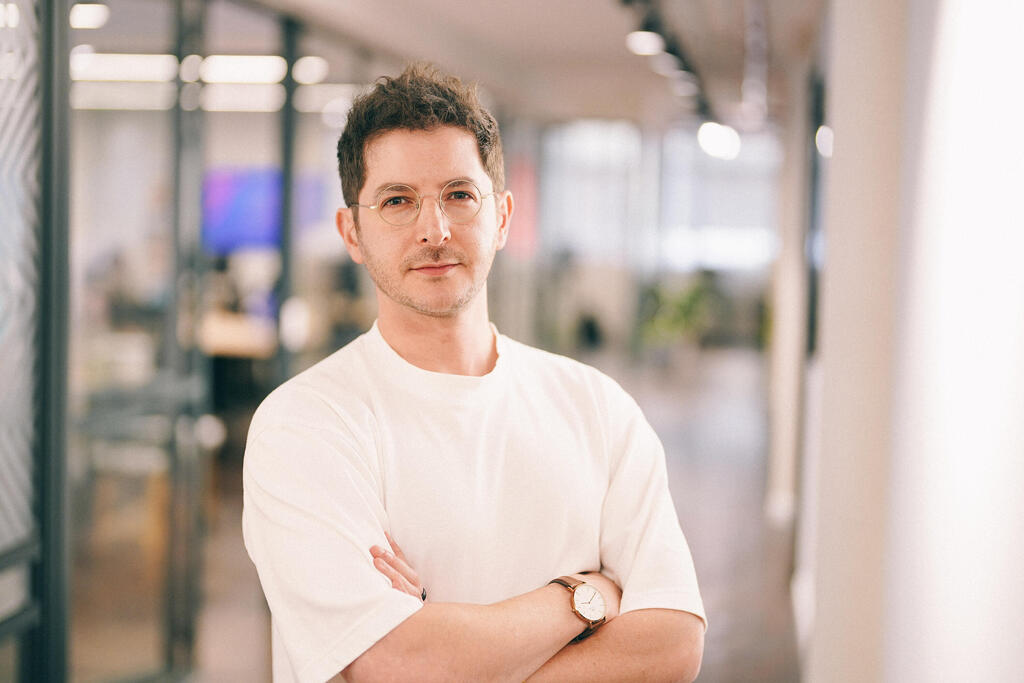
Yali Saar is the Founder and CEO of Tailor Brands.



