










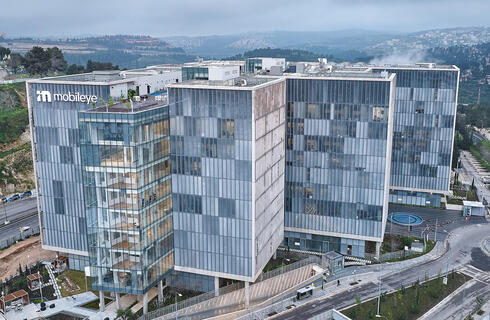
Mobileye lays off 200 employees; Company's shares down more than 40% this year
The 4% cross-department cuts come even after reporting stronger revenue and rising demand for autonomous-driving systems.
Just as the long-promised vision of the robo-taxi begins to materialize, Israeli autonomous-driving pioneer Mobileye, expected to be one of the major beneficiaries of the shift, is moving ahead with a new round of layoffs. The company will cut 200 employees, about 4% of its global workforce. Because over 3,000 of Mobileye’s roughly 4,300 employees are based in Israel, most of the layoffs will fall on its local teams.
Unlike the targeted cuts seen over the past year, the latest move is cross-functional and not focused on a specific division. Over the past two years, Mobileye has shuttered its LiDAR unit, which employed 60 people, and its Lane Departure Warning Systems division, previously staffed by 130 employees, 90 of them in Israel.
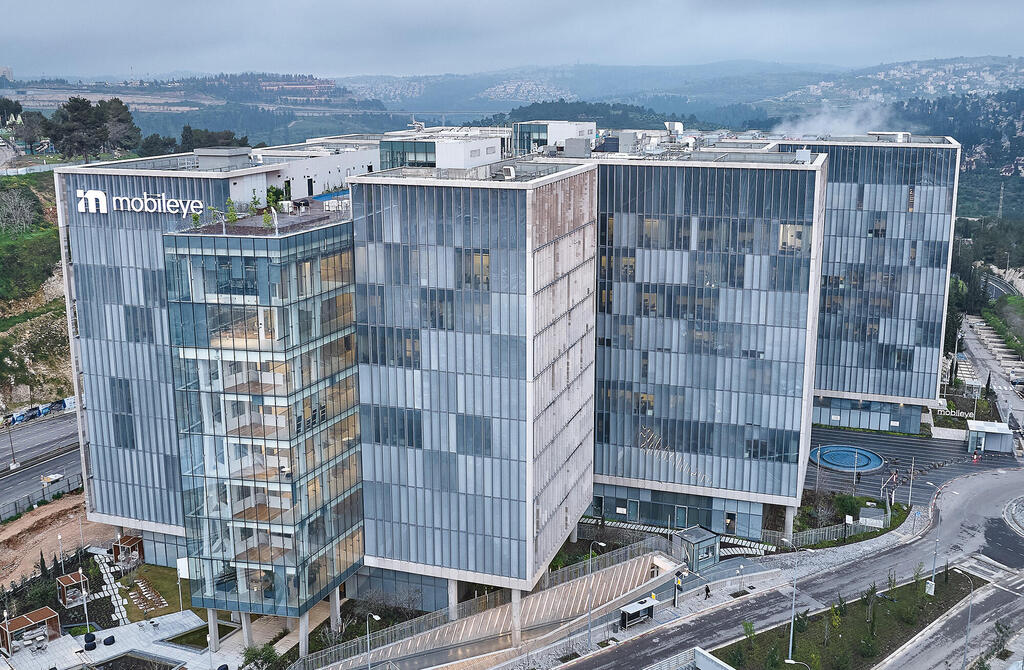
Mobileye said in a statement: “As part of the ongoing consideration of changing needs, adjustments are being made to the workforce. The company will work to support the affected employees and at the same time will continue to recruit for the positions required to realize its long-term plans.”
Mobileye currently has a market cap of around $9.5 billion, with its shares falling over 40% so far this year.
The layoffs come shortly after the company beat Wall Street revenue expectations for the third quarter, as automakers increased orders for its driver-assistance chips amid an accelerated race to adopt autonomous-driving software. Mobileye reported a 4% year-on-year increase in quarterly revenue to $504 million, exceeding LSEG estimates of $480.9 million. Adjusted earnings per share were 9 cents, in line with analysts’ forecasts.
Mobileye also raised the lower end of its annual revenue guidance and now expects between $1.85 billion and $1.89 billion for the year, representing 12% to 14% growth, compared with its previous range of $1.77 billion to $1.89 billion.
The Intel-controlled chipmaker has repeatedly pointed to the long-term opportunity in the robotaxi sector, where a crowded field of technology and mobility companies is fighting for early dominance. Mobileye is partnering with companies such as Lyft to deploy autonomous taxis, a market analysts expect to grow increasingly competitive.
Still, even as demand improves, economic uncertainty continues to weigh on automakers. Tariffs on imported vehicles and spare parts have forced many of Mobileye’s customers to reorganize supply chains, though the company has said it does not expect to be directly affected.
Mobileye’s shares have also come under pressure this year after Intel sold $1 billion worth of stock, reducing its stake and contributing to market volatility around the company.



