










27 years after their first exit, cyber founders behind Memco return with $37M Series A to tackle phishing and account takeovers
The round included Steve Pagliuca’s Pags Group, as Memcyco focuses on stopping AI-driven attacks before credentials are misused.
Israeli cybersecurity company Memcyco has raised $37 million in a Series A funding round, bringing its total capital raised to $47 million. The company develops real-time protection against phishing scams and account-takeover (ATO) attacks.
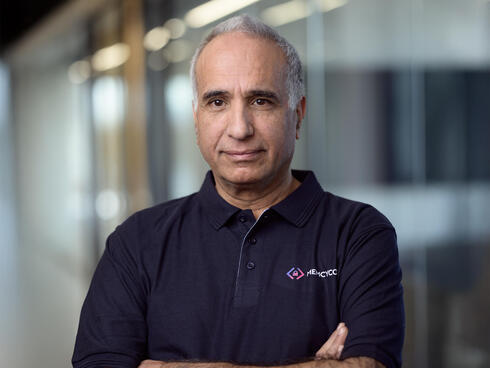
Memcyco was founded by Israel Mazin (CEO), Gideon Hazam (COO), Ori Mazin (CRO) and Eli Mashiah (CTO). The founding team previously built and exited several companies, most notably Memco Software, which was sold for more than $500 million in 1999. Today, Memcyco employs 90 people, about 60 of them in Israel.
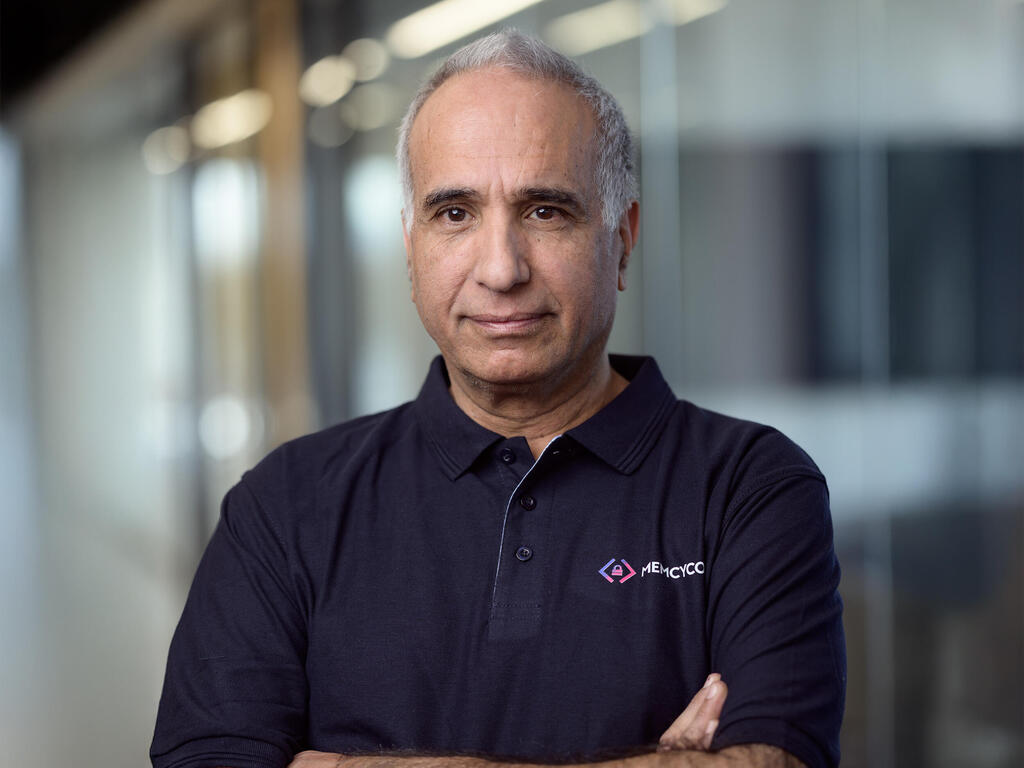
“We had a long agreement not to do anything in cyber for several years,” said Israel Mazin in a conversation with Calcalist. “We founded companies in other fields, including real estate. We started this company four years ago, revenue came very quickly, and we didn’t need to raise money at first. We began selling the product in 2023 and grew sevenfold over the past year. We expect to grow another threefold this year, and that’s why we decided it was the right time to raise capital.”
According to Mazin, investor demand exceeded expectations. “We originally planned to raise $25 million and ended up raising $37 million. We have experience building sales organizations, and we saw a lot of unresolved problems in the market,” he said. “We wanted to reunite the former Memco team and build a company that would be large and meaningful in its field, not a quick exit.”
The Series A round was led by new investors NAventures, the corporate venture arm of National Bank of Canada, E. León Jimenes, and Pags Group, the family office of Steve Pagliuca, with participation from existing investors Capri Ventures and Venture Guides.
Cyberattacks and financial fraud are becoming more sophisticated, largely due to the widespread use of artificial intelligence by attackers. AI-powered phishing kits now allow criminals to replicate legitimate websites almost instantly, enabling attacks to be launched at unprecedented scale. In many cases, organizations only detect phishing campaigns after customers have already been harmed, exposing a significant gap in existing security systems.
Account-takeover attacks surged 250% in 2024 and 2025 and are projected to cause $343 billion in losses by 2027. While multi-factor authentication remains a core defense, it is typically triggered only after attackers have already obtained valid credentials.
Memcyco focuses on intervening much earlier in the attack timeline. Its platform detects and disrupts phishing and ATO attempts in real time, allowing organizations to gather detailed intelligence not only about attackers, but also about affected users. By acting before credentials are misused, the company aims to prevent damage before it occurs.
“The cyber market is changing rapidly because of AI,” Mazin said. “Attackers are becoming more capable, including less-skilled actors who can now launch powerful attacks. That shift is forcing the industry to rethink how defenses work.”



