










Backslash Security raises $19 million Series A as AI vibe coding reshapes cyber risk
Investors bet enterprises need new defenses as autonomous agents take over software development.
The way software is written inside large organizations is being remade by artificial intelligence. Code is no longer only drafted by human developers assisted by static tools; increasingly it is generated, modified, and even deployed by autonomous AI agents embedded deep inside development workflows. Vibe coding is accelerating productivity, but also opening a largely uncharted security frontier.
Backslash Security, an Israeli-founded cybersecurity company focused on this emerging risk, said Tuesday it had raised $19 million in a Series A funding round led by KOMPAS VC, with participation from Maniv, Artofin Venture Capital, and existing investors StageOne Ventures and First Rays Capital. The financing follows an $8 million Seed round and comes as enterprises race to adopt AI-native coding tools such as Cursor, Claude Code, and GitHub Copilot.
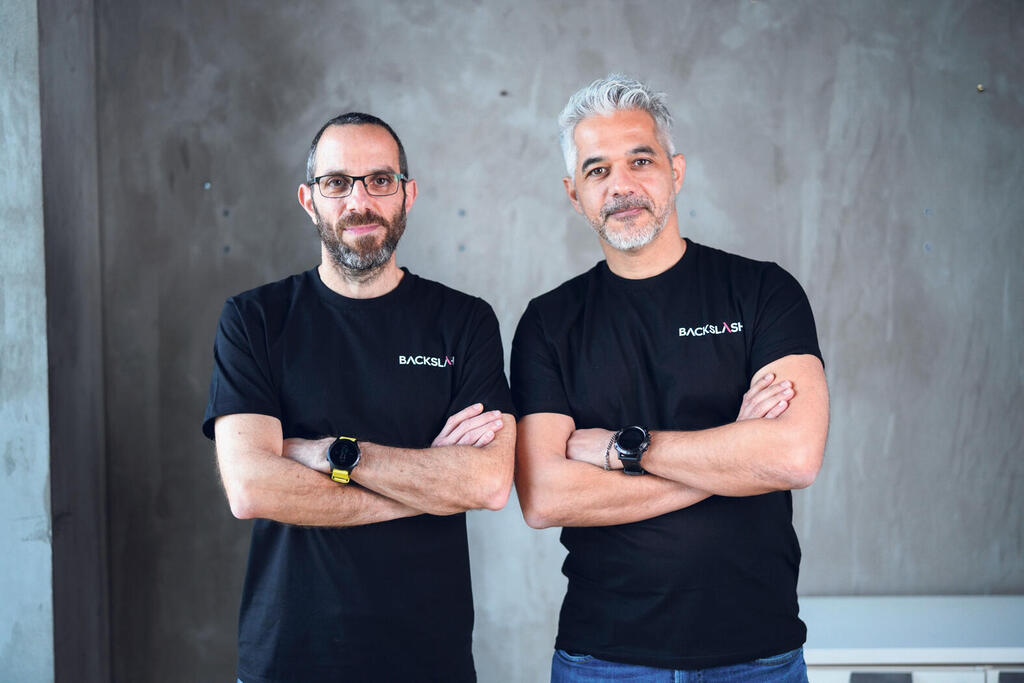
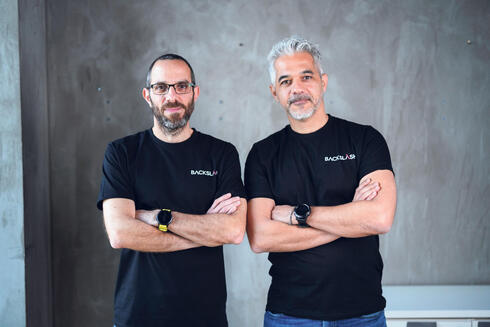
Backslash was founded by CEO Shahar Man and CTO Yossi Pik, who met while working at SAP. They parted ways but continued to dream of the startup they would establish, which they accomplished in 2022. Man left the unicorn Aqua Security, where he was a founding team member, while Pik sold his startup, Farmigo, which supplied agricultural produce directly to consumers.
According to Backslash, the spread of vibe coding has quietly dismantled assumptions that shaped software security for decades. Traditional integrated developer environments were “static, fenced-in” systems that security teams considered relatively safe. AI agents, by contrast, interact dynamically with external models, prompt chains, and Model Context Protocol servers, creating a far broader attack surface.
Backslash’s platform is designed to operate across the full AI development stack, from IDEs and AI agents to prompt workflows and governance controls. Rather than inspecting individual components, the system aims to provide a unified view of how code is produced and altered, with real-time event monitoring and the ability to respond to malicious behavior.
To support its next phase, the company also appointed Ron Zoran, formerly chief revenue officer at CyberArk, to its board as an independent director.
“We’ve passed the point of no return on how enterprise software is being composed,” said CEO Shahar Man. Organizations, he added, are being pushed by both boardroom pressure for efficiency and by developers drawn to the productivity gains of AI tools. “But security cannot and should not be left behind,” Man said.



