










Scala Biodesign raises $16 million Series A to accelerate AI-driven drug development
The Israeli startup aims to cut years from protein engineering timelines.
Biotechnology company Scala Biodesign has raised $16 million in a Series A round led by Grove Ventures, with participation from TLV Partners, Deep Insight, and other investors. The round also includes a grant of NIS 15 million (approximately $4.8 million) from the Israel Innovation Authority.
The funding will be used to expand and accelerate development of the company’s protein engineering software. According to Scala, its technology is already used by nine of the world’s 20 leading pharmaceutical companies.
Scala is developing computational technology based on a decade of research at the Weizmann Institute, enabling the design of proteins that serve as key components in drugs, vaccines, and other biological products. Traditionally, pharmaceutical and biotechnology companies have developed protein-based drugs through prolonged and iterative laboratory experimentsת, processes that are time-consuming, costly, and prone to failure. Scala’s platform aims to shorten these development cycles, which often take years and require investments of hundreds of millions of dollars.
The company’s computational protein engineering platform improves key biological properties of proteins, such as stability and binding capabilities. This allows pharmaceutical and biotechnology companies to develop more active and stable proteins at earlier stages of the drug development process.
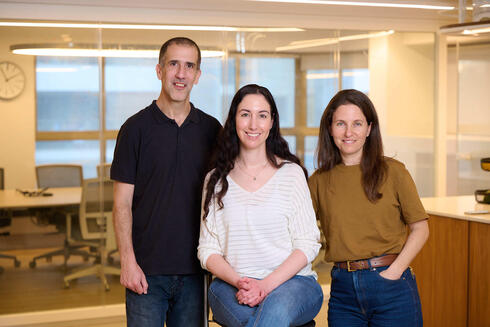
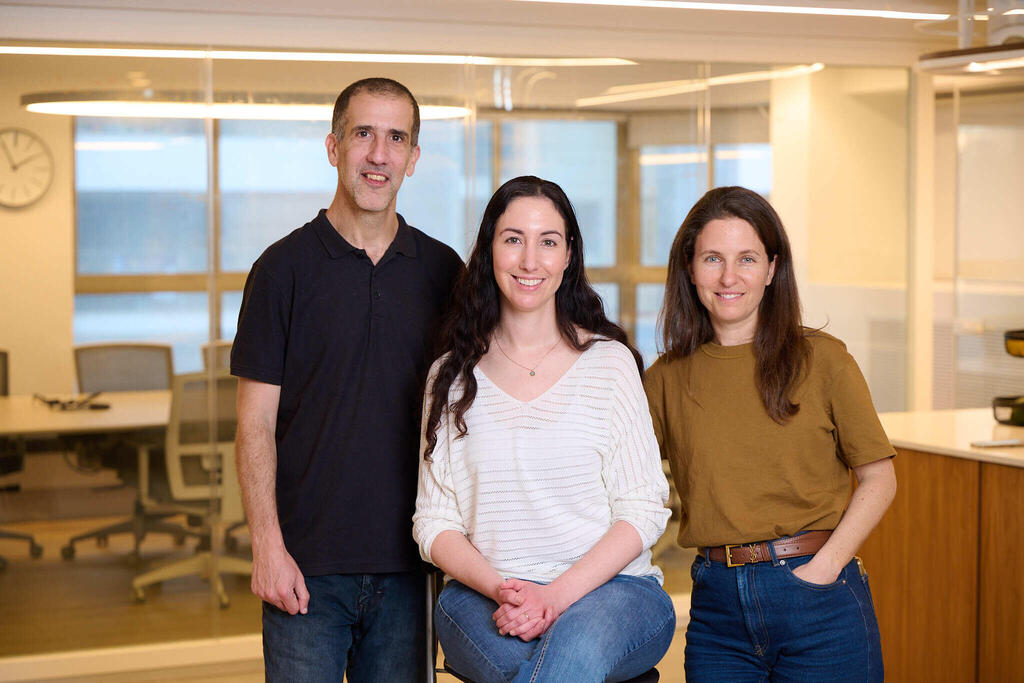
Scala Biodesign was founded in 2022 by Dr. Ravit Netzer and Dr. Adi Goldenzweig, together with Chief Scientist Prof. Sarel Fleishman of the Weizmann Institute of Science, all experts in computational protein engineering from the Weizmann Institute. The company employs 25 people in Tel Aviv.
Scala’s platform has already been used by Boehringer Ingelheim, among others, to stabilize drug targets, proteins involved in disease mechanisms. The technology has enabled the company to stabilize these proteins and produce them at scale while maintaining their biological activity, helping accelerate drug discovery and improve efficiency.
“Having worked closely with the industry’s most advanced R&D teams, even the most sophisticated organizations are held back by the complexity of protein engineering,” said Dr. Ravit Netzer, Co-Founder and CEO of Scala Biodesign. “Today’s researchers are often forced into years of iterative, high-failure lab experiments simply because they lack the computational bandwidth to fully predict a candidate’s potential. At Scala, we are eliminating this bottleneck. By replacing traditional trial-and-error with a scalable, AI-driven platform, we empower scientists to turn complex engineering into a predictable, high-success engine, bringing life-saving medicines to market faster than ever imagined.”
“Improving the speed and reliability of protein design remains one of the most impactful opportunities in biotechnology,” said Renana Ashkenazi, Managing Partner at Grove Ventures. “Scala’s computational platform allows research teams to tackle protein engineering challenges earlier and more systematically within their own workflows. We believe this capability can materially accelerate development timelines across therapeutic and industrial programs.”



