









From stealth to $3.1 billion in less than a year
With tools that can generate and edit video in real time, the Israeli startup is betting on a future where AI doesn’t just create content, it interacts with it live.
By all appearances, Decart is moving fast. The Tel Aviv-based AI startup has secured $100 million in new funding at a $3.1 billion valuation, just two years after it was founded. It now counts 60 employees and a growing global presence. At the center of its pitch: the belief that AI’s next frontier won’t be text or images, but real-time video.
While others rushed to build language models, Decart started with the hardware layer, developing a GPU optimization stack that it quietly licensed to major cloud providers in multi-million dollar deals. That foundation gave the company early revenue, and the technical leverage to go further.
Today, Decart’s flagship models Oasis and Mirage aim to do something few others have achieved: generate and manipulate video on the fly. Oasis, which the company says is the first real-time video generation model launched at scale, attracted a million users within days of release. Mirage, its newest tool, lets users modify live video streams with text prompts, tailored for use cases like streaming and gaming.
Both products run on Decart’s proprietary infrastructure, a stack the company claims dramatically lowers inference costs. That focus on deployment efficiency is a theme across the company’s strategy.
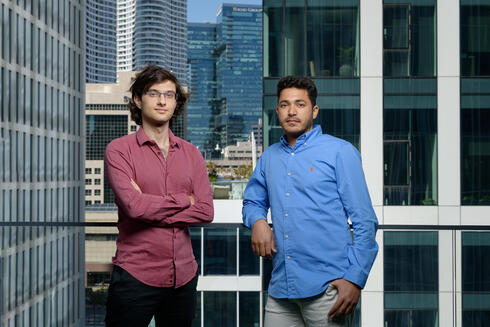
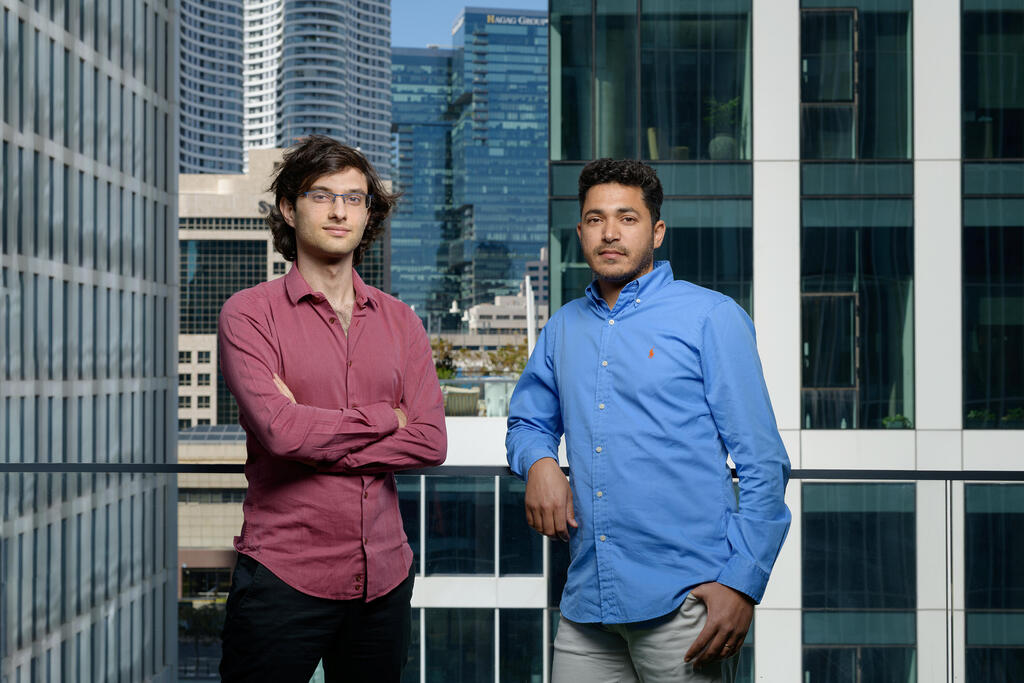
Behind Decart’s push are its two co-founders: Dean Leitersdorf, 27, who holds three computer science degrees and completed a postdoc in Singapore; and Moshe Shalev, a former cyber operator who grew up in Israel’s ultra-Orthodox community. The two met while serving in the reserves of Unit 8200 and founded Decart in 2023.
With the new round, Decart is planting its flag in the U.S., opening a San Francisco R&D center led by Dr. Kfir Aberman, formerly of Snap and Google. Aberman, a co-creator of the popular DreamBooth technique, will lead hiring and model development stateside.
Inside Decart’s Tel Aviv HQ hangs a pixelated photo of a skeptical investor, known only as Sarah, who dismissed the company early on. “Israelis don’t know how to train models,” she told them. Her image serves as a daily reminder of what Decart is trying to disprove.
While many AI companies burn investor cash on compute, Decart claims to have spent less than $10 million of its $153 million in capital. Revenue from GPU acceleration and video licensing pays for the rest. It’s a rare case of a deep-tech startup scaling responsibly.
The stakes are massive. As Leitersdorf puts it: “We’re not building a startup. We’re building a before-and-after company. Like the iPhone. Like Google Search. Like the State of Israel.”



