










Verint agrees to $2 billion buyout by Thoma Bravo
Acquisition delivers 18% premium for shareholders and signals acceleration of AI-driven CX automation strategy.
Verint, the Nasdaq-listed customer experience automation company, said Tuesday it has agreed to be acquired by private equity firm Thoma Bravo in an all-cash transaction valuing the company at $2 billion. The move will take Verint off the public markets and fold it into Thoma Bravo’s growing portfolio of software companies.
Under the terms of the agreement, Verint shareholders will receive $20.50 per share in cash, an 18 percent premium to the company’s 10-day average trading price before news reports of a potential sale surfaced in late June. The deal, unanimously approved by Verint’s board, is expected to close before the end of the company’s fiscal year, pending shareholder and regulatory approval.
The acquisition marks a pivotal moment for Verint, long positioned as a player in customer experience (CX) software and now seeking to accelerate its shift into artificial intelligence–powered automation. Once the deal closes, Verint will no longer trade on public exchanges.
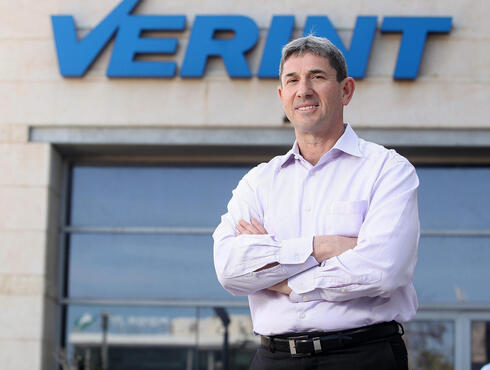
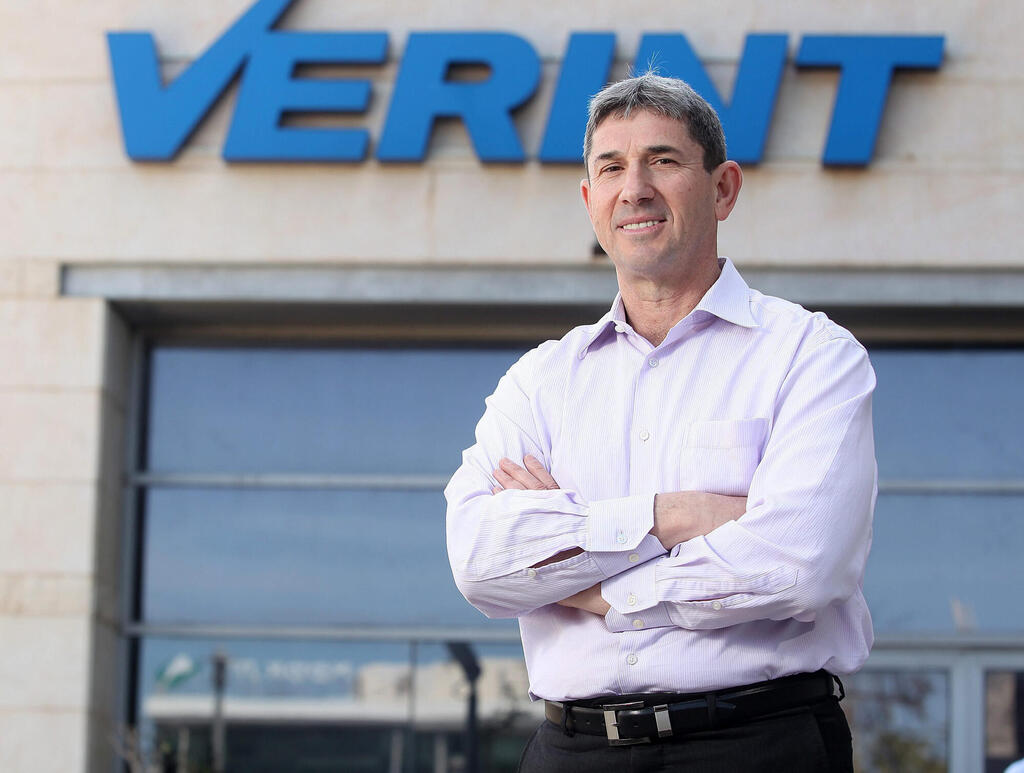
Dan Bodner, Verint’s chief executive and chairman, framed the transaction as validation of the company’s role in shaping the nascent CX automation market. “Thoma Bravo’s investment is a testament to our CX Automation category leadership,” Bodner said, noting that AI-powered recurring revenue now makes up half of Verint’s total annual recurring revenue.
For Thoma Bravo, one of the most prolific software investors in the world, Verint represents both a strategic addition and a potential consolidation opportunity. The firm said it intends to combine Verint with Calabrio, another portfolio company, creating what it described as the broadest AI-driven CX platform in the market.
“The opportunity to automate CX workflows with an AI-powered platform is significant,” said Thoma Bravo partner Mike Hoffmann. He added that the merged business would be positioned to provide companies “of all sizes with strong AI business outcomes.”
Thoma Bravo, which had about $184 billion in assets under management as of March 31, is among the largest software-focused investors globally. The private equity firm has acquired or invested in more than 530 software and technology companies. Earlier this month, it bought human resources software provider Dayforce for $12.3 billion, including debt, marking one of Thoma Bravo's largest take-private deals.
Founded in 1994 as a division of Comverse, then one of Israel’s tech titans, Verint’s original focus, like NICE’s, was in security and surveillance systems, with CRM emerging only later as a side business.
Verint’s big break came in the aftermath of the September 11 attacks in the US, when new legislation made it much easier to surveil suspects who fit certain profiles. The company rode this wave to a Nasdaq listing, but as its current share price shows, it never fully capitalized on that momentum. Instead, it stumbled through a series of failures, driven by what appears to have been strategic inertia on the part of management and the board. Unlike NICE, which shed its security business a decade ago to concentrate on the enterprise market, Verint clung to it until just three years ago.
That separation ultimately happened via a spin-off, with the security business listed on the Nasdaq as Cognyte. But the value transfer failed to deliver: Cognyte’s share price has dropped about 70% since, and it now trades at roughly $700 million. Verint also missed the cloud revolution, unlike NICE, which made a major acquisition to pivot decisively into this crucial market.
Moreover, Verint stuck for too long with the outdated model of selling perpetual software licenses rather than adopting the subscription-based SaaS model that now dominates the industry. Only in the past two years has Verint managed to shift about 80% of its revenue to subscriptions, which has helped profitability but failed to revive growth.
From its beginnings as part of Comverse, Verint has been led by Dan Bodner (66), who in recent years has also served as chairman in addition to CEO. Over his tenure, Bodner has accumulated more than $100 million in compensation, with an average annual pay package of around $10 million in recent years. If the sale goes through, Bodner stands to be the biggest winner: he is set to receive an additional $18 million in the event of a change in control, thanks to a special bonus and accelerated vesting of stock awards.
Other top Verint executives, most of whom are non-Israelis, will also receive sizable payouts if the sale closes. The company’s largest shareholder today is Apax Partners, which owns 13.8% but faces significant losses: Verint’s valuation was around $3 billion when Apax invested in early 2021. That investment came after activist investors pressured Bodner and the board to shake up the underperforming company.
Apax injected $400 million in two $200 million tranches. The first came in May 2020, when Verint’s stock was near its current price; the second arrived in February 2021, when shares were trading at $50, more than double today’s price. Other major shareholders include US asset managers Vanguard and BlackRock.
Today, Verint has little connection to Israel. Its entire management team is American except for Bodner, and only about 200 of its 3,800 employees are based in Israel, mostly in R&D, just 5% of the total workforce. Many Israeli employees moved to Cognyte when the security business was spun off. In short, even if the sale to Thoma Bravo goes through, it won’t be a landmark event for Israel’s high-tech industry or its broader economy.



