










After Intel offloads $1B in shares, Mobileye surges on strong Q2 and new guidance
Robotaxi partnerships with VW, Uber, and Lyft push annual forecast up to $1.9B.
Mobileye, the maker of autonomous vehicle systems, is showing signs of recovery after a long period of stalled growth. The company, which kicks off the financial reporting season for Israeli firms listed on Wall Street on Thursday, closed the second quarter with revenue of $506 million, a 15% increase compared to the same period last year. Operating profitability also improved significantly: operating profit rose 21% to $106 million. Mobileye’s operations generated $322 million in net cash flow, and net profit came in at 13 cents per share, excluding accounting expenses. The company’s cash reserves now stand at $1.7 billion.
However, the bigger news is the upward revision of its full-year guidance. Mobileye now expects annual revenue of $1.765–1.885 billion, which would reflect growth of 7%–14% compared to 2024. While this is a wide range, it marks a clear improvement after a sharp revenue decline in 2024, and an underwhelming 2023 as well.
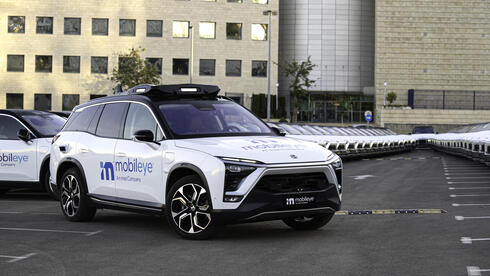
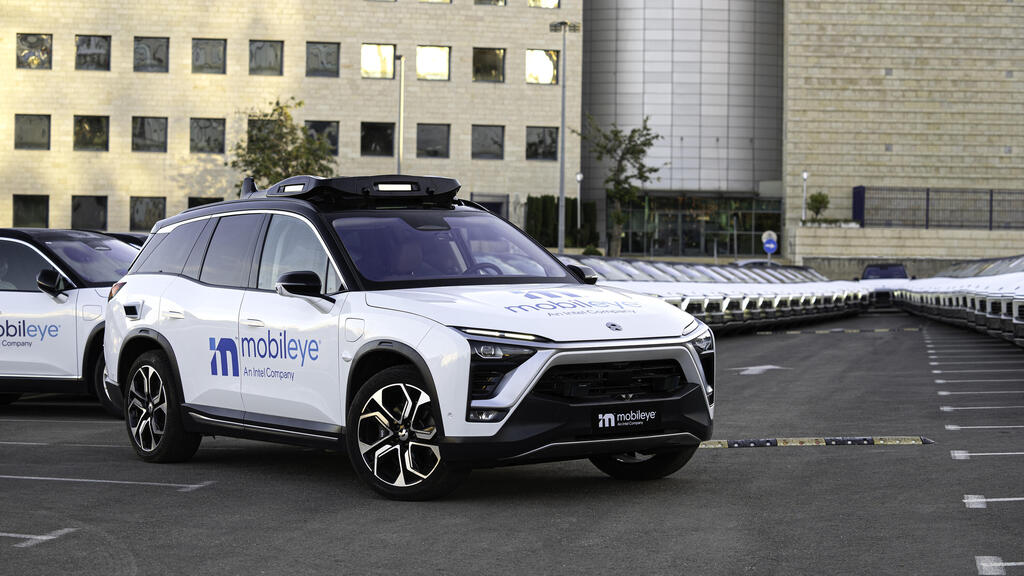
Amnon Shashua, founder and CEO of Mobileye, said that upcoming launches in the autonomous vehicle sector mark a turning point for the company. He was referring mainly to the autonomous taxi services expected to begin operations in the next few years, based on Mobileye’s technology. The company recently announced a landmark agreement with Volkswagen and Uber to launch robotaxi services in Los Angeles, alongside a similar partnership with Lyft, Uber’s main rival.
Mobileye’s stock is jumping 6% in pre-market trading on Wall Street, rebounding after recent downward pressure caused by Intel’s sale of $1 billion worth of Mobileye shares. Despite the sale, Intel still owns 80% of the company.



