








Sequoia raises $10 billion as it dismantles parts of its global operation
The Silicon Valley venture capital giant is closing its London office, ending its Arc and Scouts programs and flattening its partnership structure. The overhaul is part of a push to concentrate resources on fewer companies and return to what it calls high-conviction, highly selective investing.
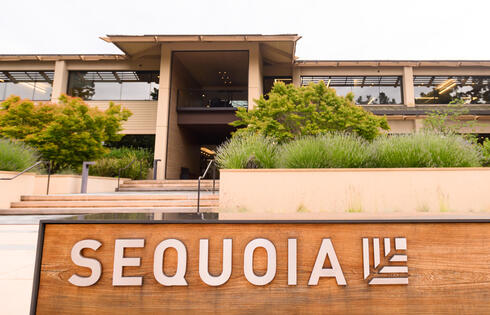
American venture capital firm Sequoia Capital, which has invested in numerous Israeli companies, is embarking on a major strategic shift. The firm plans to scale back several activities, restructure its organization and refocus on high-conviction, highly selective venture capital investing. At the same time, it has raised approximately $10 billion in new funds.
A year after completing a generational transition in its leadership, the firm, widely regarded as one of the most influential players in the global technology industry, has published an open letter titled “The Sequoia of Tomorrow.” The letter outlines a series of measures aimed at streamlining operations, reducing the bureaucracy that has accumulated over the years and bringing the firm's pace of work more in line with that of the entrepreneurs it backs.
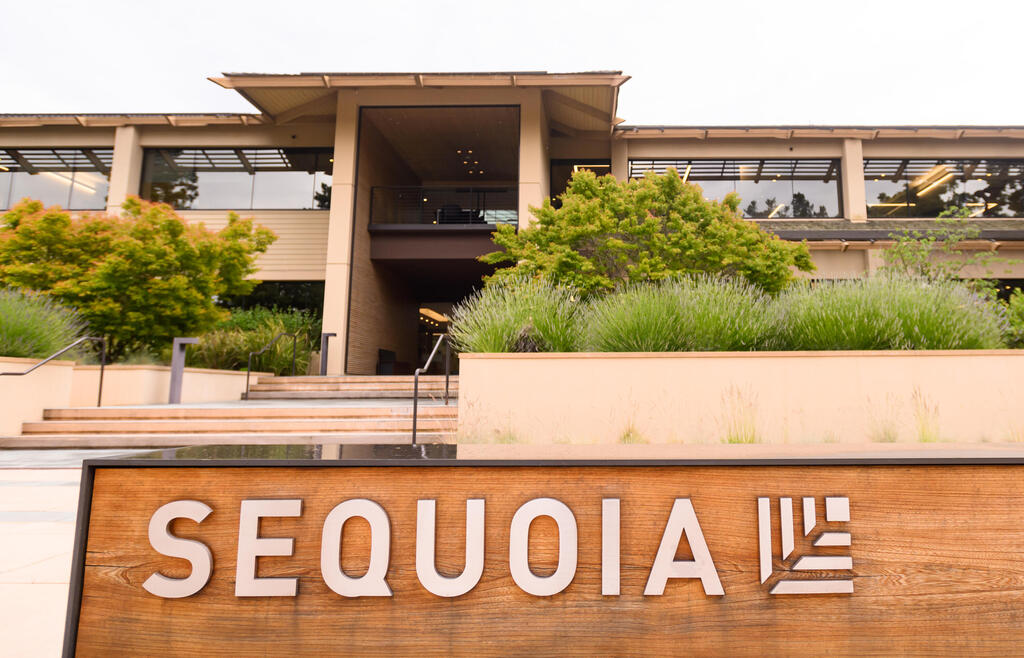
At the heart of the plan is a return to Sequoia's core investment activities, alongside the winding down of initiatives that had expanded the firm's operations in recent years. Sequoia says it has removed much of the complexity associated with its Sequoia Capital Fund and will discontinue two programs: Arc, its batch accelerator for early-stage entrepreneurs, and Scouts, through which entrepreneurs and senior technology executives received capital to invest in early-stage startups.
The firm is also streamlining its operating and investment teams. The stated aim is to concentrate more resources on fewer people and initiatives, allowing Sequoia to provide more substantial support to the founders it backs. The changes reflect its view that the quality of its investments and the returns it delivers to investors matter more than the scale of its operations.
One of the most notable changes is a scaling back of Sequoia's European operations. The firm will close its London office, resulting in the departure of several employees. It says the decision is not a reflection on the local team, which it describes as excellent, or on Europe's technological potential. Rather, Sequoia believes that maintaining a permanent physical presence on the continent is no longer necessary. It intends to continue investing in European companies and supporting them directly from its headquarters in the San Francisco Bay Area.
The firm is also changing how it organizes its investment teams. It is eliminating the traditional division between early-stage and growth-stage investing in favor of a unified team operating under a shared mission. The change is intended to make the relationship with founders more seamless as their companies move from one stage of development to the next.
At the same time, Sequoia is restructuring its partnership to reduce the management hierarchy that developed during roughly two decades of global expansion. The firm says that as it built multiple businesses across different geographies, the management structure required to run its operations gradually extended into its investment teams. The changes are intended to flatten the partnership, give individual partners greater scope and ensure that every founder can benefit from the expertise of the entire firm, regardless of which partner leads the investment.
The changes extend to Sequoia's internal routines. The firm is scrapping its traditional Monday partner meetings, a long-standing fixture of its operating model. It argues that founders work around the clock, seven days a week, and that investors should adapt to their pace rather than require entrepreneurs to work around rigid schedules. As the letter puts it, “Founders shouldn't have to adhere to our process - we will do our best to adhere to yours.”
Alongside the organizational overhaul, Sequoia is strengthening its financial resources and reshaping its partnership. The firm says it has raised approximately $10 billion in new funds and welcomed several new and returning figures to its team.
Founded in the early 1970s by Don Valentine, Sequoia Capital is one of the world's oldest and most influential venture capital firms. It was an early investor in companies that went on to become technology giants, including Apple, Google, YouTube and WhatsApp.
Sequoia began investing in Israel in 1999. Its notable Israeli investments include Mellanox, Palo Alto Networks and cybersecurity company Wiz, as well as Moovit, Adallom and Lemonade.



