










Energix to invest NIS 50 million in energy-tech innovation center at Tel Aviv University
The initiative will include an industrial-scale laboratory aimed at accelerating commercialization of new electricity technologies.
Renewable energy company Energix will invest NIS 50 million ($16.4M) over the next five years to establish an energy-tech innovation center in partnership with the Faculty of Engineering at Tel Aviv University.
The center, which will operate on the university's campus, will include an industrial-scale laboratory dedicated to the research, development, testing and validation of early-stage hardware and software technologies under conditions that simulate a live electricity grid.
Alongside the laboratory, the partners will establish an innovation hub designed to connect researchers, entrepreneurs and startups developing energy technologies. The hub will provide access to advanced testing infrastructure, business guidance and support for moving technologies from academic research to commercial deployment.
As part of the initiative, Energix will provide NIS 5 million in research grants to Tel Aviv University research groups and invest more than NIS 1 million to upgrade the university's student energy laboratory with modern research equipment.
"The energy-tech sector is gaining significant momentum, and we wanted to create a platform that serves the entire ecosystem," Dafna Reznik, director of the new innovation center, told Calcalist.
"The laboratory is intended to make advanced research infrastructure accessible to both industrial companies and startups. Many smaller companies simply cannot justify the investment required to build facilities of this scale," she said.
According to Reznik, one of the center's goals is to expose Energix to emerging technologies while supporting broader industry development.
"We see this as a field that is becoming an important alternative growth engine alongside traditional high tech," she said. "Today, demand for electrical engineers exceeds demand for computer engineers."
She added that one of the industry's biggest challenges is the lack of facilities capable of testing how new technologies affect the electricity grid under real operating conditions.
"We are currently seeking recognition from the Israel Innovation Authority for the laboratory as national infrastructure," Resnik said.
Prof. Noam Eliaz, Dean of the Faculty of Engineering at Tel Aviv University, said the center is intended to address one of the biggest obstacles facing academic innovation.
"The center will bridge the 'valley of death' between academic research and commercial products, increase the number of Israeli energy technologies reaching international markets, and strengthen Israel's position in developing solutions to future energy challenges," he said.
According to Energix and the Faculty of Engineering, the initiative comes as electricity generation, transmission and management have become increasingly important challenges in Israel and globally, particularly as electricity demand rises because of data centers and other energy-intensive infrastructure.
At the same time, integrating new technologies into electricity networks requires extensive testing to ensure they are reliable, stable and safe, without compromising the quality or continuity of electricity supply.
Initially, the center's activities will focus on the dedicated laboratory, which will simulate real-world grid conditions and enable companies to test hardware and software solutions before commercial deployment.
The facility will also include research infrastructure for renewable energy, smart grids, smart metering technologies, energy data processing and energy databases.
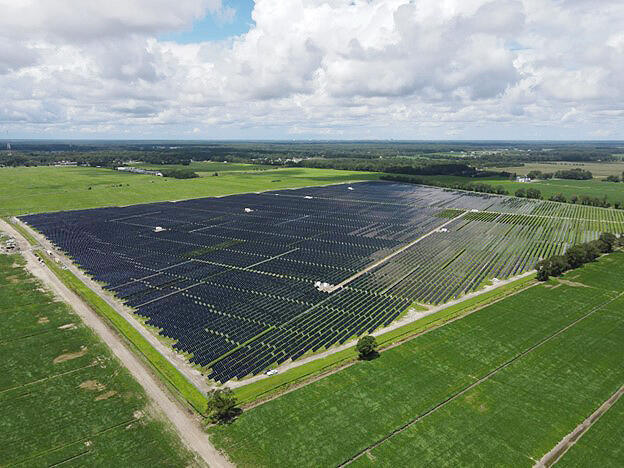
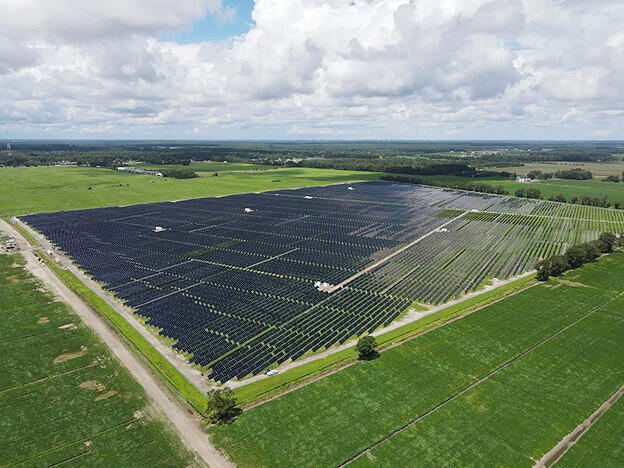
Energix, part of the Alony Hetz group, develops, finances, builds and operates renewable energy projects, with a focus on solar energy, energy storage and wind power.



