








Rylo raises $85 million at $500 million valuation, targets $1 billion revenue by 2028
The Israeli startup, formerly Nagish, develops AI-powered real-time speech and sign-language translation tools for deaf and hard-of-hearing users and says it has reached early profitability after FCC licensing unlocked regulated U.S. revenues.
Israeli startup Rylo (formerly Nagish) has completed an $85 million funding round at an estimated valuation of approximately $500 million. The round was led by U.S. venture capital firms General Catalyst and Canaan,with participation from all existing investors, including Cardumen, Vertex Precursor, and K5. Prior to this round, the company had raised just $16 million across two funding rounds, bringing its total funding to $101 million.
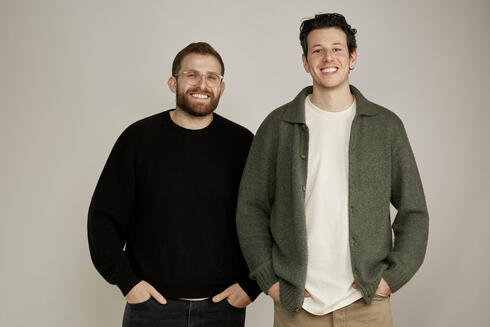
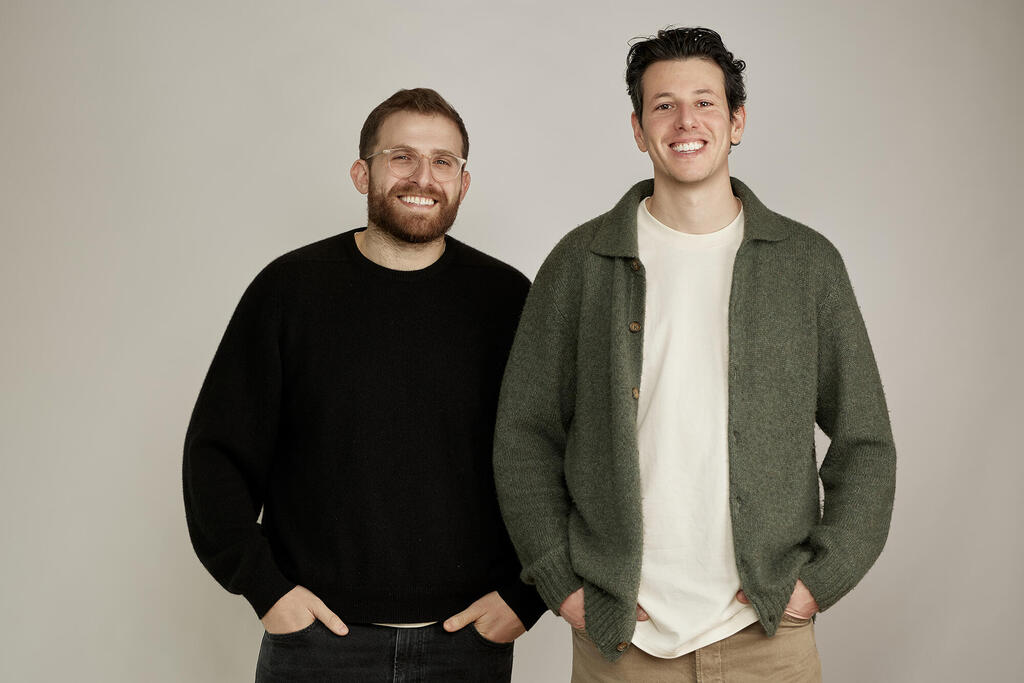
Founded in 2022 by Tomer Aharoni and Alon Ezer, Rylo stands out in the Israeli startup ecosystem by focusing on AI-powered real-time speech-to-text and text-to-speech technology designed for deaf and hard-of-hearing users. The company's application enables users to conduct phone calls independently, eliminating the traditional need for intermediary call centers. Conversations are transcribed in real time, while users can either type or speak responses. If a user types, the application converts the text into spoken language for the other party.
The platform currently supports 50 languages, although Rylo is focused exclusively on the U.S. market, where an estimated 40 million people are deaf or hard of hearing. Globally, that population is estimated at around one billion and is projected by the World Health Organization to reach 2.5 billion by 2050.
The funding follows a significant milestone for Rylo: obtaining a license from the U.S. Federal Communications Commission (FCC). Only five other companies have received similar licenses, and Rylo is the only provider whose service is fully technology-driven rather than dependent on human-operated relay centers.
The FCC license is particularly important because it allows the company to be compensated through a federally funded program rather than charging end users directly. Rylo receives between $1 and $8 per minute of conversation conducted through the platform, with rates determined by regulators every three years.
Since receiving the license in May 2024, Rylo has begun generating revenue and expects to reach $100 million in annual revenue by the end of 2026. According to CEO Tomer Aharoni, the company grew by 400% over the past year and aims to reach $1 billion in revenue by 2028.
"At our current run rate of $100 million in revenue, we've only penetrated about 1% of the U.S. market," Aharoni said. He added that the company became profitable shortly after generating its first revenues.
Rylo currently employs just 32 people, roughly half of them in Israel, including several deaf employees.
"We're fighting hard to stay small and use AI as much as possible," Aharoni said.
The company is also expanding into sign-language translation. To support that effort, Rylo acquired Sign.mt at the end of 2025. The startup developed technology capable of recognizing and translating sign language in real time.
"Today, deaf and hard-of-hearing people often cannot attend activities independently, whether it's a yoga class, a doctor's appointment, or even a job interview," said Aharoni. The company envisions sign-language translations appearing instantly on a smartphone screen.
Sign.mt was founded by Dr. Amit Moryossef, an Israeli expert in sign language and natural language processing.
According to Rylo, governments and corporations spend approximately $4 billion annually on sign-language interpretation services, which typically cost around $75 per hour and often require minimum booking commitments. The company estimates that only about 5% of demand is currently being met because of a shortage of qualified interpreters. Rylo believes AI-based translation technology can help bridge that gap while supporting its goal of reaching $1 billion in annual revenue by 2028.
Explaining the company's rebranding from Nagish to Rylo, Aharoni said:
"Alon and I started working on a side project in 2019 to make communication more accessible for deaf and hard-of-hearing people. We never intended to turn it into a company, so we spent less than five minutes choosing a name and went with 'Nagish', the first thing that came to mind.
"As the company grew and began serving hundreds of thousands of users in the United States, we realized that almost none of them knew how to pronounce the name."



