










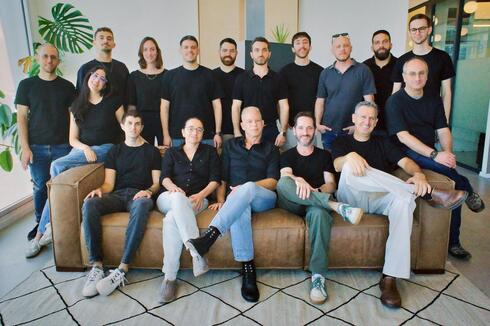
Israeli startup secures €10 million in European backing to stop hackers from harvesting data for future quantum attacks
CyberRidge's technology takes a different approach to the quantum-security challenge, seeking to make information traveling through optical cables impossible to record rather than simply harder to decrypt. The company was selected from 1,211 applicants for European Innovation Council support.
Israeli cybersecurity startup CyberRidge has been selected for €10 million in co-funding from the European Innovation Council, giving the company additional backing to commercialize technology designed to prevent sensitive information from being intercepted and stored for future decryption.
The selection comes as governments and businesses prepare for the possibility that increasingly powerful quantum computers could eventually break some of the encryption protecting data today. The threat, known as “harvest now, decrypt later,” involves attackers collecting encrypted information while it is still inaccessible, with the intention of decoding it when more powerful computing technology becomes available.
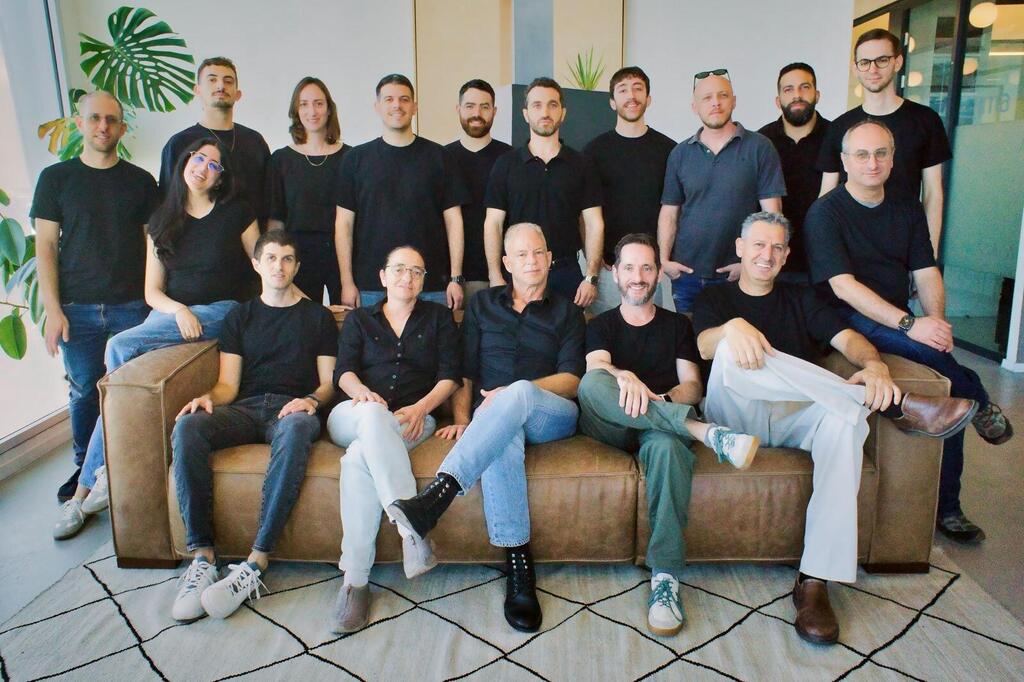
CyberRidge is betting that the answer lies not in making intercepted data harder to decrypt, but in making it impossible to capture in a usable form in the first place.
The company said it was selected from a pool of 1,211 applicants, with only 71 companies chosen in the latest round. The European Innovation Council, established by the European Commission in 2021, supports companies developing technologies it considers capable of addressing major technological and commercial challenges. Its Accelerator program combines grants with potential direct equity investment through the EIC Fund.
CyberRidge's technology, called Carmel, operates at the photonic layer of fiber-optic networks. Rather than relying solely on conventional digital encryption, it manipulates the light carrying information through optical cables. The company says its system spreads signals across hundreds of wavelengths, buries them beneath optical noise and uses constantly changing photonic keys that are never stored.
The objective is to ensure that someone tapping a fiber-optic cable cannot record a usable version of the information being transmitted. Only an authorized receiver equipped to reconstruct the signal in real time can recover the data, according to the company. CyberRidge argues that this approach would remain effective even as advances in quantum computing and artificial intelligence increase the ability to break existing encryption methods.
The company also says Carmel is designed to fit into existing telecommunications infrastructure rather than require operators to rebuild their networks. The system replaces the transmission line card in optical equipment, allowing telecom operators and other organizations to add the technology to existing fiber networks.
The award adds to a funding history that includes $26 million raised from investors and European programs. In October 2025, CyberRidge, founded by Professor Dan Sadot, raised a $16 million Series A round, following a $10 million Seed investment led by AWZ Ventures. The Series A included Arkin Capital, RedSeed VC, Elron Ventures and support from the European Innovation Council's Horizon program.



