










Israel faces growing energy risks after strike on Haifa refinery
Damage to key infrastructure exposes fragility of fuel supply during wartime.
As the fourth week of the war with Iran begins, vigilance is rising within the IDF and across Israel’s energy sector amid expectations of intensified attempts by Iran and Hezbollah to target critical infrastructure, particularly electricity, fuel and natural gas systems.
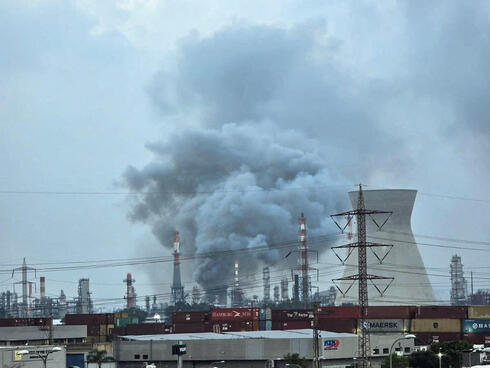
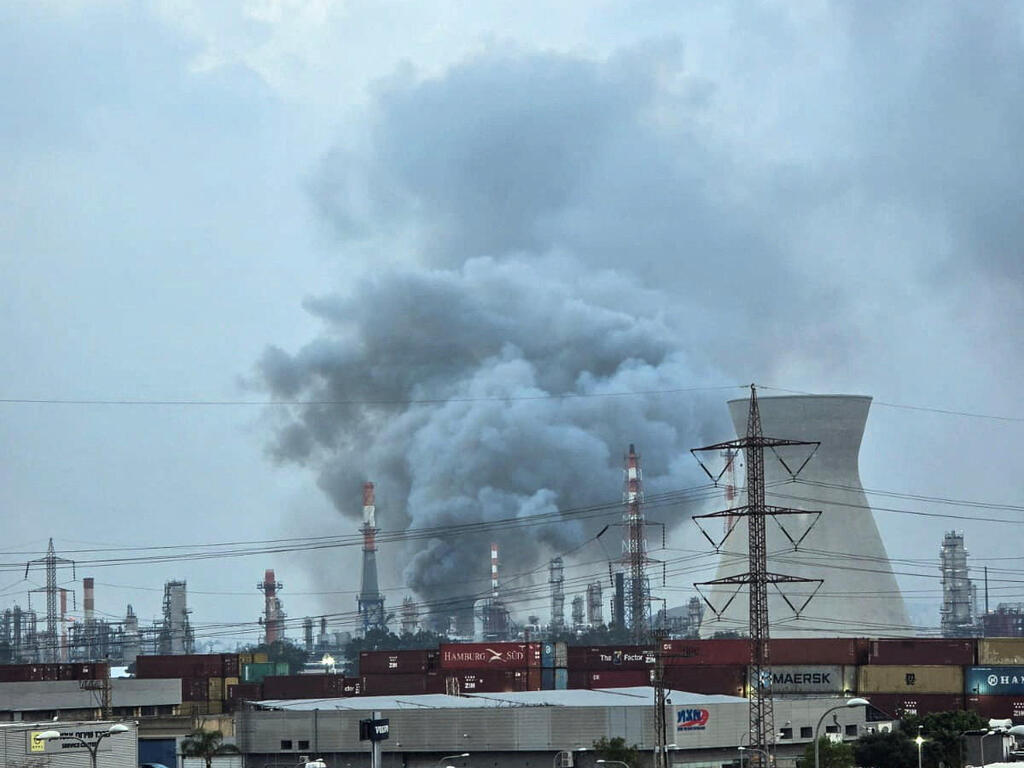
The concern follows damage caused on Thursday by fragments from an intercepted Iranian missile, which disrupted operations at the Bazan Group complex in Haifa Bay. According to the company’s filing to the stock exchange, several sites were hit, including electrical infrastructure and buildings.
More significant damage was reported to infrastructure belonging to the Israel Natural Gas Lines Company, which supplies the gas used to operate Bazan’s production units. Bazan said the affected systems are essential to its operations but are expected to return to service within days.
Energy sector sources warned that if gas supply disruptions persist, Bazan may be forced to rely on liquefied petroleum gas (LPG), typically used for cooking and heating, potentially creating shortages for industry and households.
Shortly after the incident, Energy Minister Eli Cohen sought to reassure the public, saying the damage was not significant and that Bazan would resume full operations quickly. However, Bazan later clarified that the extent of the damage to critical infrastructure only became clear overnight between Thursday and Friday.
The company said most production facilities remain operational, while others are gradually restarting. It added that full restoration depends on repairing external infrastructure and involves “complex procedures with significant uncertainty” requiring operational flexibility.
Bazan supplies roughly 45% of Israel’s refined fuel consumption, including diesel, gasoline and jet fuel, a critical resource during wartime. The incident marks the second time in less than a year that missiles or interception fragments linked to Iran have struck the Haifa Bay complex, underscoring its vulnerability.
During the June 2025 conflict, three missiles hit the facility, killing three workers and destroying a key steam station. Damage was estimated at around $200 million, and the site only recently returned to full capacity. Energy officials now estimate that recovery from the latest incident will be faster.
Since the outbreak of the current conflict, Israel’s energy sector has been operating in emergency mode. The government ordered the shutdown of the Karish and Leviathan offshore gas fields, operated by Energean and partners including Chevron, NewMed Energy and Ratio Energies. The decision aimed to reduce the risk of catastrophic damage in the event of a direct strike.
Active naval defenses around the rigs have been reinforced in recent weeks, in parallel with Israel’s offensive actions in Iran. Tehran has warned it may target energy infrastructure across the Mediterranean and the Gulf, after earlier strikes on facilities in the UAE, Saudi Arabia and Qatar.
Given the escalating risks, defense officials are not expected to recommend resuming gas production in the near term. The shutdown order is due to expire midweek but is widely expected to be extended, despite mounting financial losses for operators.
Each day of downtime at the Karish field is estimated to cost about NIS 2.3 million, while the Leviathan field loses roughly NIS 5.2 million per day. In place of natural gas, electricity producers are burning coal at an additional cost of about NIS 2 million daily. Under normal conditions, natural gas accounts for 70-75% of Israel’s energy mix.
A security source said that despite the economic cost, shutting down the rigs remains preferable to the risk of catastrophic damage. “A single rig is worth $1.5 billion. If it is destroyed, there is no guarantee it will be rebuilt, and investors could abandon Israel’s waters,” the source said.
If the war continues, reliance on more expensive alternative fuels is expected to push up electricity prices, and in turn water costs, further increasing pressure on the cost of living.
The Energy Ministry maintains that fuel and electricity supplies remain stable, noting that reserves were increased ahead of the conflict. The sharp decline in civilian air traffic due to the closure of Ben Gurion Airport has also eased pressure on jet fuel supply for the Air Force.
Mild summer weather has helped moderate electricity demand, but officials warn that a similar scenario during peak summer heat could have posed a far greater challenge.
The latest damage has renewed calls to accelerate the evacuation of petrochemical facilities from Haifa Bay. “This cannot continue,” said Avihu Han, head of the Haifa Bay Cities Association for Environmental Protection. “We are in a situation of Russian roulette. This must accelerate the evacuation of Bazan, even within months.”
Despite a government plan to relocate the complex by the end of the decade, implementation remains uncertain. A recent report by State Comptroller Matanyahu Englman recommended reexamining the decision, citing Bazan’s critical role in Israel’s energy security.



