










IDF unveils new AI command as Israel prepares for the next decade of warfare
With divisions for AI, spectrum control and long-term planning, the IDF retools its digital backbone for multi-domain operations.
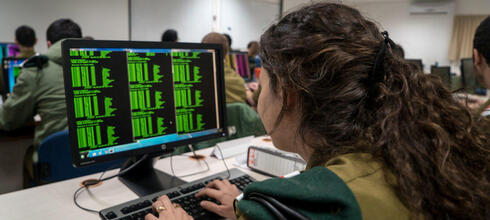
The Israel Defense Forces is undertaking one of the most far-reaching technological reorganizations in its history, creating a new artificial-intelligence division meant to bring battlefield computation closer to real-time decision-making. The division, named Bina, Hebrew for “intelligence,” will consolidate nearly all of the military’s existing AI units under a single command and define how algorithms shape Israeli military operations in the decade ahead.
The new structure places Brig. Gen. B. in charge of an organization that inherits responsibilities from Shahar, Matzpen, Mamram, the AI Center of Excellence, and the Software and Information School. The aim, according to senior officers, is not simply administrative streamlining but the creation of a unified engine for data, software, and operational learning across the IDF.
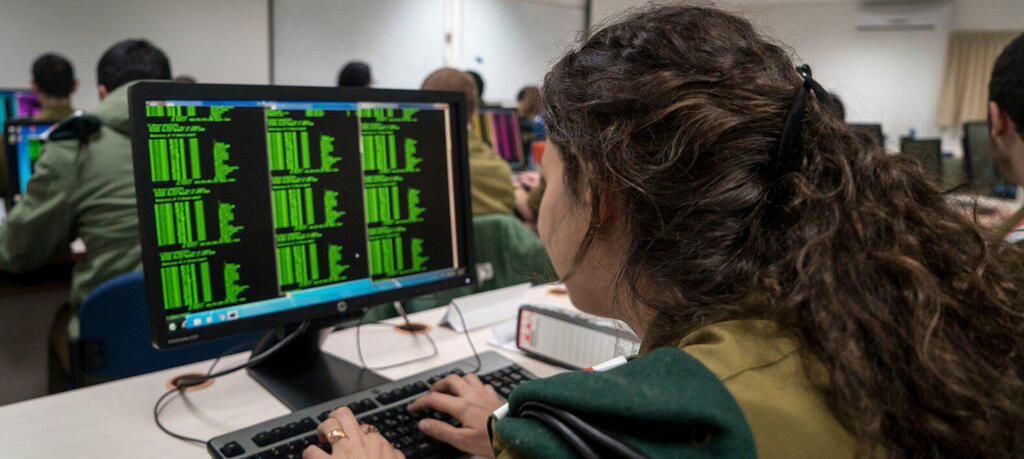
Maj. Gen. Aviad Dagan, head of the C4I and Cyber Defense Directorate, described the overhaul as a response to rapidly shifting technological demands. The new framework, he said, is intended to build an efficient “machine” capable of scaling military power through automation and digital systems. “To turn one tank into a hundred tanks, one soldier into a hundred fighters,” he said, summarizing the Directorate’s ambitions for AI-enabled force multiplication.
The Directorate recently rolled out a system that transcribes the IDF’s radio networks in real time, storing the conversations in a searchable database and processing the material using AI tools. Brigade commanders, officers said, no longer wait for reports from the field; they query the system directly, often receiving answers in seconds.
A sweeping reorganization
The introduction of Bina forms part of a broader restructuring that dissolves the IDF’s longstanding Lotem Technology Unit and replaces it with a network of five operational divisions, three of them newly created. Two of these new divisions will be commanded by women at the rank of brigadier general.
One of the new organizations, Sphera, will oversee spectrum and strategic communications across the full geographic and operational spread of the military, from ground deployments to space assets. The unit brings together engineering teams, development centers, and the Spectrum Warfare Center, the body responsible for intercepting roughly a quarter of the drones launched toward Israel over the last two years. Brig. Gen. Racheli Dembinsky, formerly head of Mamram, will command it.
A second new entity, the Manpower Building Division, will be led by Brig. Gen. Yael Grossman, previously the head of Lotem. Her division will direct long-term planning and policy across the Directorate, and manage partnerships with domestic defense companies, the wider IDF, and international counterparts.
The Directorate’s existing Cyber Defense Division, led by Brig. Gen. L., will continue operating with additional resources. The Operations Division, under Brig. Gen. Omer Cohen, also remains in place.
The redesign follows an internal assessment examining how global militaries and civilian technology firms organize for rapid innovation. The result is what the Directorate calls a “capsule” structure, intended to let each division handle its own operational, technological, and organizational needs without depending on slow, centralized processes, a model shaped in part by lessons drawn from the Swords of Iron war.
Ynet contributed to this report.



