










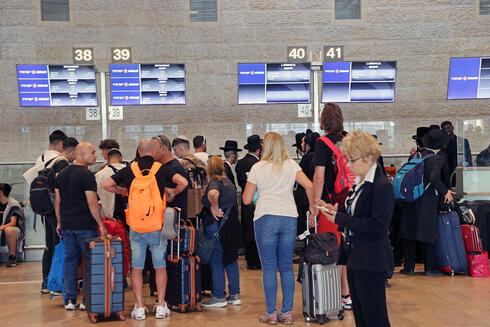
Greek radar failure throws flight schedules into chaos
A technical malfunction in Greece's air traffic control system created bottlenecks across southeastern Europe, delaying hundreds of flights to and from Israel during one of the busiest travel periods of the year.
A technical failure in Greece's air traffic control radar system escalated into a regional aviation crisis within hours on Sunday, disrupting hundreds of flights to and from Israel.
The impact has been particularly severe because Greek airspace is a key transit corridor for flights between Israel and Europe. As a result, passengers traveling to destinations such as Paris, Vienna, and Budapest have also faced lengthy delays due to a malfunction that occurred hundreds of kilometers from their final destinations.
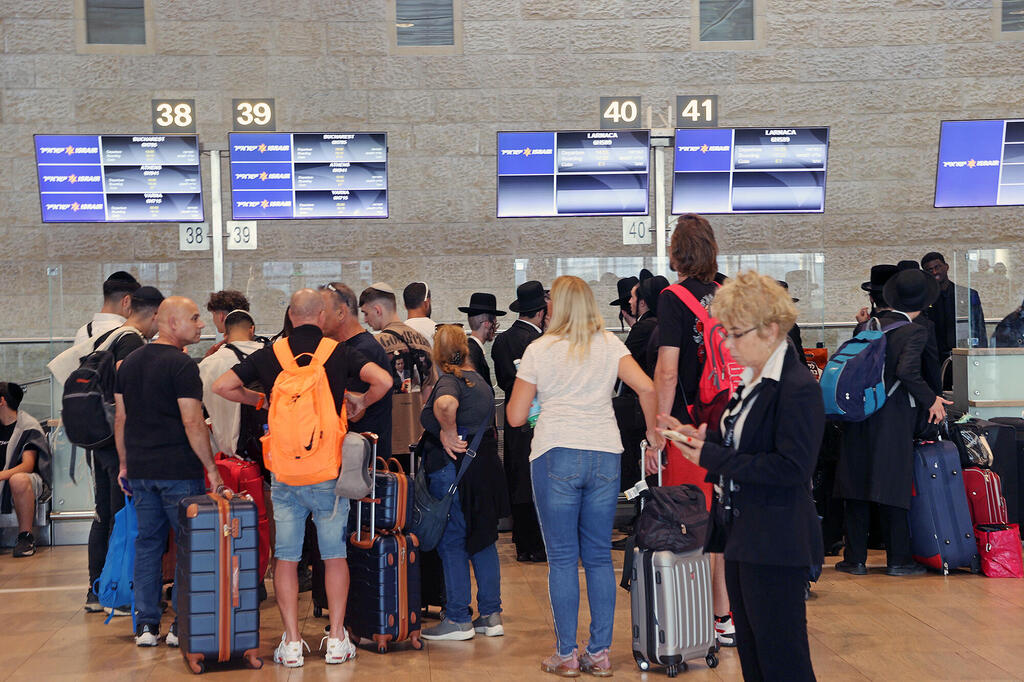
The infrastructure failure affected Greece's radar and air traffic control systems, creating significant congestion and delays across southeastern European airspace. The incident comes during one of the busiest periods of the year for Greek aviation, with around 5,000 flights operating through the country's airspace each day. By comparison, Ben Gurion Airport handled about 550 flights on Sunday, an exceptionally high number for Israel.
The malfunction affected air traffic control equipment in the Sitia and Kavos areas of Crete, as well as parts of northern Greece, forcing controllers to operate with only a single radar system after the backup became unavailable. To maintain safety, Greek authorities reduced the number of takeoffs and landings and sharply limited aircraft movements through the affected airspace, creating widespread bottlenecks and major disruptions not only in Greece but across southeastern Europe.
The disruptions have been exacerbated by flight diversions already in place because of the security situation in the Middle East, which has increased traffic through alternative air corridors. As a result, congestion has spread to the airspace over Athens, Thessaloniki, Vienna, Budapest and Israel.
The route over Crete and Greece is one of the primary corridors for flights between Israel and Europe, meaning that services from Tel Aviv to destinations such as Paris, Vienna, and Budapest are also affected, not just flights bound for Greece.
Of the 289 departing flights scheduled from Ben Gurion Airport on Sunday, around 240 had already been delayed by more than 15 minutes. Among the most severe disruptions were a flight to Budapest delayed by nearly nine hours and a flight to Vienna delayed by more than five hours.
So far, 10 flights departing from Ben Gurion have been canceled. Arriving flights have also experienced significant delays, including a flight from Mykonos that landed about eight and a half hours late and another flight from Greece that arrived nearly seven hours behind schedule.
If the technical failure and resulting congestion continue, additional flights could be postponed until the following day or canceled altogether because of flight crew duty-time limits and airport operating restrictions.
Passengers are advised to check the status of their flights with their airlines before leaving for the airport.



