










Opinion
Rising cyber threats bring the human factor back center stage
"As threats become more autonomous and complex, the need for solutions that bring order to the chaos and restore control to the organization will grow too," said Barrel Kfir, a Partner at Dell Technologies Capital.
Over the past year, the Israeli cyber industry has once again proven its ability to respond quickly to technological disruption. The dominance of AI technologies has indeed heightened risks for organizations, but it has simultaneously enabled the development of effective countermeasures, as well. Israeli cyber companies have leveraged AI to create new categories addressing a range of threats, including prompt injection attacks designed to extract sensitive information. On top of that, there is the challenge of securing AI agents. Their ability to make autonomous decisions and take independent action has driven Israeli startups to develop solutions for defining agent identities, monitoring their behavior, detecting anomalies, and identifying malicious actions or hostile takeovers of these agents. Israeli startups have also successfully applied AI to the automation of a variety of cyber solutions that previously required extensive manual labor and are now offered as cloud services. These include SOC solutions, AI-powered penetration testing, SIEM solutions for managing security information and events, and platforms aiming to integrate AI agents across multiple departments within an organization.
These trends are unlikely to slow down. Agents are becoming more and more sophisticated, serving as a force multiplier for hacker groups, which, in return, compels the cyber industry to not only advance technologically but to also refocus on the fundamentals. In a reality where the threat itself is becoming autonomous, the core vulnerabilities, the human factor and cloud infrastructure, are returning to the center of the stage. This is where the most significant opportunities lie for developing categories that go beyond adding another layer of defense, categories that redefine organizational resilience.
Human Security Returns to the Center of the Stage
Since the dawn of the digital era, employees have been considered the weakest link in the internal security chain, whether through malice, negligence, or simple error. According to research firm Forrester, in 2024 the human factor was involved in roughly 90% of breaches. This market is projected to grow to $10 billion by 2027. In this reality, the field of Human Security will once again become center stage and be treated as a top priority among security organizations. This is not happening in a vacuum: the new AI tools adopted by employees increase the risks, as they make it easier to access databases and enable data exfiltration at scales far greater than those seen before. A recent case in which a laid-off Intel engineer broke into the company's data repositories and leaked approximately 18,000 classified and sensitive documents serves as a glaring warning sign and an urgent call to action in this field.
The answer to this crisis will be provided by new startups that will harness AI to reshape and redefine the field. We are already seeing a shift from managing fragmented solutions such as identity management, DLP (Data Leakage Prevention), Governance solutions, defenses against Social Engineering and more, toward unified platforms encompassing multiple categories.
AI technologies are enabling Israeli startups such as Cymphony, Jazz, Orion, and Bold to develop more effective solutions that monitor and identify potential issues and block them before they occur, reducing risk in the process. For example, in the cyber training field, solutions are already being offered that monitor employee activity and provide real-time coaching in response to scenarios that violate security policies. Merging solutions from different categories will make it possible to carry context from one category to another, to link identity permissions with anomalous behavioral patterns, and to improve the performance of the entire unified Human Security system.
Related articles:
Optimizing Cloud Security
Alongside the human factor, cloud security is without a doubt one of the most strategic markets in global cybersecurity. In addition to the activity of companies such as Wiz and Palo Alto, the major cloud providers have recently begun offering customers built-in security tools for defining rules and policies at the cloud environment setup stage. Despite the potential these tools hold for establishing a pre-secured cloud environment, many organizations need guidance on how to use them effectively and implement them in practice. In light of this, a new category of solutions is emerging that will help organizations use the cloud providers' built-in security tools intelligently, configure rules and policies correctly and optimally, and ensure the establishment of a natively secure cloud environment. Several Israeli startups are already active in this space, including Native Security, Aryon, Blast, and Act, among others, and are paving the way for many entrepreneurs who will join the trend.
Artificial intelligence will continue to shape the face of global cybersecurity in the coming year as well. As threats become more autonomous and complex, the need for solutions that bring order to the chaos and restore control to the organization will grow too. Entrepreneurs who manage to harness the power of AI to build new solutions will overcome the evolving threats and grow companies with the potential to leave a lasting mark on the global industry in the decade ahead.
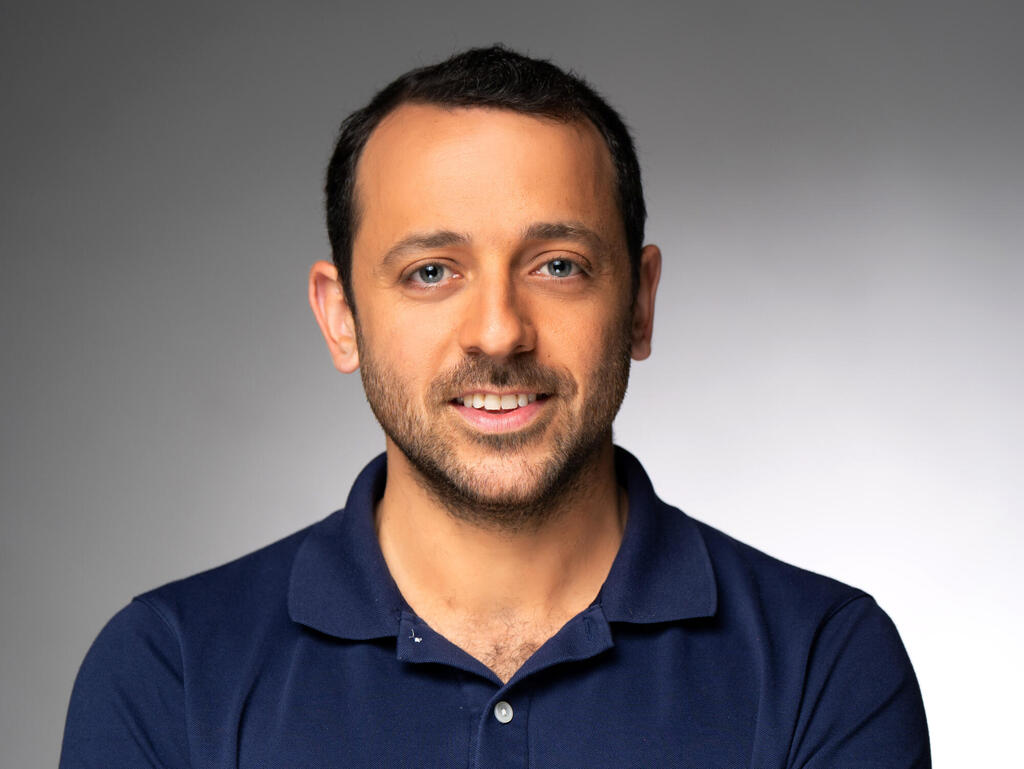
Barrel Kfir is a Partner at Dell Technologies Capital.



