











Flydubai gets the green light to return to Israel. Israeli airlines are still grounded in Dubai
The Ministry of Transport has authorized the Emirati carrier to resume flights after weeks of negotiations following the attempted hijacking of one of its aircraft. But the dispute over security arrangements for Israeli airlines remains unresolved.
The Ministry of Transport has authorized Emirati airline Flydubai to resume flights to Israel, following its suspension of service after an attempted hijacking aboard one of its aircraft in late September. The decision comes after the ministry rejected an earlier request by the airline to resume operations, about a month ago.
At the time, Transport Minister Miri Regev sought to tighten security protocols while also securing permission for Israeli airlines to resume flights to Dubai, an objective she ultimately failed to achieve. In recent weeks, several Israeli delegations have traveled to Dubai for negotiations with Flydubai and the Emirati authorities. Initially, the airline is expected to operate approximately 40 weekly flights, compared with the 70 it operated before the incident.
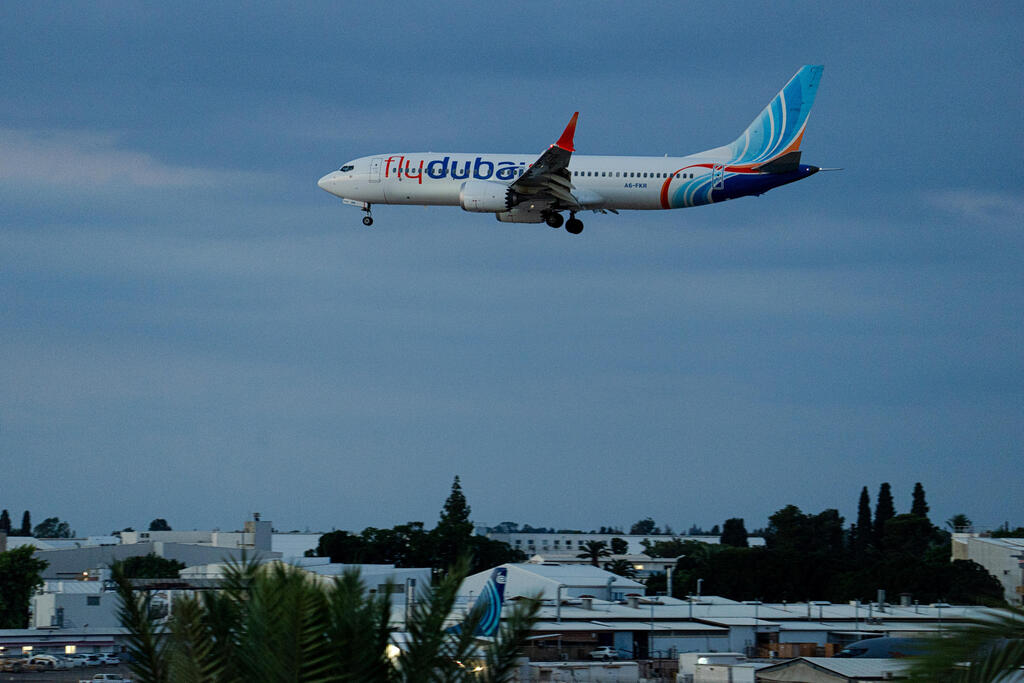
The decision highlights the deep imbalance in aviation relations between Israel and the UAE. While the Emirati carrier has been given the green light to return to Ben Gurion Airport, despite the serious security failures that led to the attempted hijacking, Israeli airlines El Al, Israir and Arkia remain barred from resuming flights to Dubai. The impasse stems from the Emirati side's refusal to accept security requirements imposed by Israel's Shin Bet (Israel Security Agency), including the deployment of additional Israeli security personnel and the installation of screening equipment.
The economic implications are significant. With Israeli carriers absent from the route, competition is reduced, leaving passengers dependent on foreign airlines and their pricing policies. Before suspending operations, Flydubai operated as many as 10 daily flights between Tel Aviv and Dubai. Its return is expected to restore only part of the available seat capacity, without bringing back the competition that should exist between airlines from both countries.
The issue, however, extends beyond the resumption of flights. The attempted hijacking exposed serious flaws in Flydubai's oversight and security procedures. Among the most troubling findings was the assignment of an Omani national as co-pilot on a flight to Israel, in violation of commitments previously made by the airline to Israeli authorities. It also emerged that the Ministry of Transport had failed to exercise adequate oversight of the crew manifests submitted by foreign airlines operating flights to Israel.
The incident raised fundamental questions about Israel's ability to enforce security requirements on foreign carriers and its reliance on airlines to honor their commitments. Yet, following a grave security breach that exposed the consequences of that reliance, Flydubai is now being allowed to resume operations without a reciprocal arrangement that would enable Israeli airlines to compete on the same route.



