










Real Life Superpowers
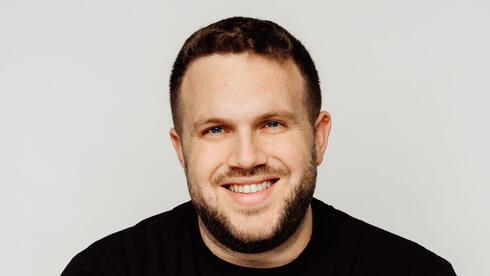
Ilan Peleg: "There are some investors that if you're not gonna tell a $100B size company story, they wouldn't invest"
In a conversation with Noa Eshed and Ronen Menipaz on the podcast Real Life Superpowers, Ilan Peleg discusses Lightrun and why he's playing the long game.
In this episode, Ronen and Noa speak with Ilan Peleg, co-founder and CEO of Lightrun
Some founders jump in fast. Ilan Peleg plays the long game.
Before launching Lightrun, Ilan had already built deep roots in cybersecurity and engineering leadership. A former national middle-distance champion, he was trained to move with speed - but only when the moment is right.
Lightrun, the startup he co-founded with Leonid Blouvshtein, is now backed by Accel and Insight Partners with $70M raised, and is redefining how developers debug in production environments.
But behind the company’s technical edge is a methodical, thoughtful story of timing, discipline, and trust.
In this conversation, the three explore:
The startup lifecycle, broken down by phase.
Ilan outlines the specific goals-and dangers-of each chapter:
Years 0–2: Product-market fit.
“You may come up with an amazing product… but is it delightful enough that people and organizations truly love it?”
Years 2-4: Go-to-market fit.
“You’ve proven value, now can you sell it repeatedly?”
Years 4–6: Scaling.
“This is where it gets really hard-it demands consistency, leadership maturity, and real operational backbone.”
Why founders must resist the urge to scale too soon.
Each stage brings its own pressures, and Ilan shares why timing is a competitive advantage few talk about.
Vision vs. credibility: how to pitch like a founder who knows both.
“Some investors want you to pitch a $100B story or they’ll say you’re not crazy enough. But you can’t just sell the dream-you need believable milestones.”
The power of deep domain expertise.
Ilan and his co-founder Leonid weren’t startup tourists-they deliberately delayed founding Lightrun until they’d spent years gaining firsthand experience with the problem space.
“Once we came up with an idea in the domain we lived by, things moved magnitudes faster.”
They moved fast because they’d waited to move.
A co-founder story rooted in long-term alignment.
Their partnership wasn’t born in a hackathon. It was built over years of shared conversations and career moves with the goal of someday launching something together.
“Leonid wasn’t optimizing for salary-he was optimizing for being better skilled for what we’d eventually build.”
Why good ideas come with a clock.
“If the opportunity’s big enough, others will feel it too. You don’t have unlimited time to act.”
How mentorship and networks compound growth.
Ilan reflects on the exponential value of getting the right advice-and surrounding yourself with people who’ve failed and succeeded. It’s what helps turn lessons into leverage.
Why founders must imagine more than just their company-they must imagine the market.
“It’s not only about what you’re building-it’s how the market will evolve by the time you get there.”
This episode is for anyone who’s still getting ready-who’s learning, building experience, and wondering when it’s their time to start.
Listen in if you want to see what preparation really looks like-and what happens when long-game thinking meets the right idea.

Noa Eshed: recognized as a thought leader by the Daily Telegraph. Her book "The Smart Marketer's Guide to Google Adwords” was an Amazon no.1 bestseller. Her digital marketing agency Bold Digital Architects has acclaimed several industry awards. She previously co-founded and distributed Israel’s only national magazine for students, and is a certified lawyer (Hebrew U grad) and journalist.
Ronen Menipaz: an Israeli investor, entrepreneur, tech advisor, and founder of numerous business ventures in the entertainment, adtech, and fintech space. During his 25 years of entrepreneurial experience, Ronen has been involved with over 100 startups in Israel, 30 of which he founded or co-founded. Two of those startups went public, while five were sold and four more are currently privately profitable companies.



