











VC Survey 2026
“The award for best ‘rebranding’ exercise must surely go to whoever popularized the term ‘defense-tech’”
Elements VC partner, Gideon Shaw, joins CTech to give his investor's outlook for Startup Nation, from the limitations of the "resilience" narrative to the surge of foreign PE funds entering Israel, as part of CTech's VC Survey 2026.
“The award for best ‘rebranding’ exercise in recent history must surely go to whoever popularized the term ‘defense-tech,’” says Gideon Shaw, partner at Elements VC. Until recently, he argues military technologies were a no-go zone for investment firms. However, he argues “in today’s environment it makes sense that some defense applications have become more mainstream,” to the extent that he expects defense, alongside energy, and semiconductors to drive Israel’s next engine of growth. That said, he adds, “I imagine Cyber will still lead into 2030.”
Following the turbulence of recent years and the stabilization of 2025, the Israeli tech ecosystem is entering a new era: The Next Leap. Shaw joined CTech to share insights for its VC Survey 2026, which invites prominent investors to discuss the topics, trends, and “leaps” expected in the year ahead.
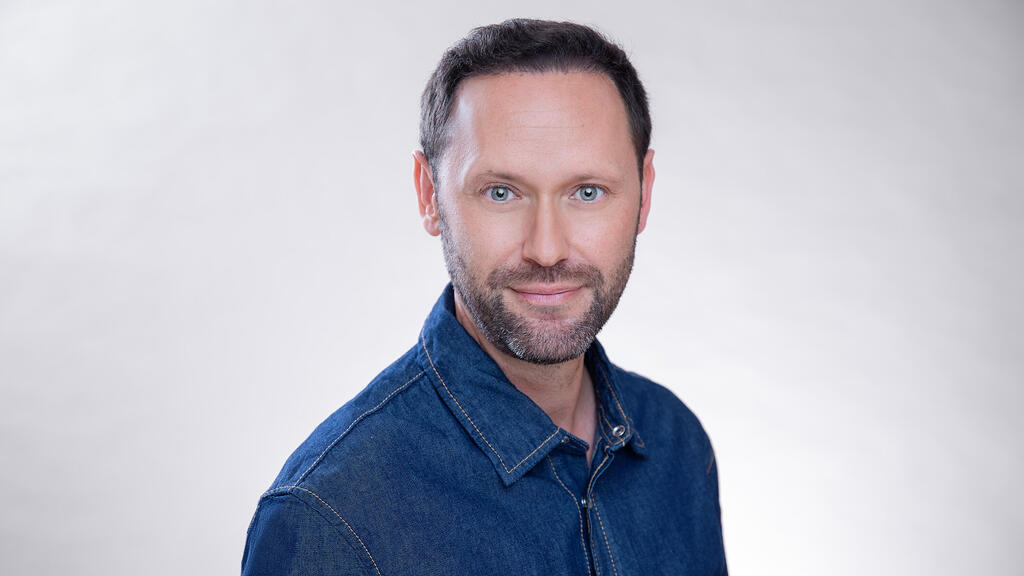
When it comes to supporting the growing focus surrounding deep tech, Shaw contends that while Israel is “excellent at creating innovation in hardware heavy sectors,” its small economy means it lends itself to specialize in “high-risk, highly innovative early stages, and then partner with larger foreign funds when the companies reach capital intensive scaling phases.” This, he views as an overall positive for Startup Nation, “as it forces us to be outward looking, and find truly amazing partners from around the globe.”
You can read the entire interview below:
Fund ID
Name of Fund: Elements.VC
Total Assets Under Management (AUM): $120M (target)
Partners/Managers: Nitsan Alon, Gilad Yavetz (Enlight), Gideon Shaw, Tal Jacobi
Notable Portfolio Companies (Active): Prisma Photonics, Firedome, Vocai, Thetis AI, Cens, Everywhen, CaPow
The Global Leap: How is the 'Israeli Tech' asset class being rebranded to global LPs in 2026? Are we shifting the narrative from 'Innovation' to 'Extreme Resilience'?
'Extreme Resilience' feels a bit like marketing a Ferrari based on its crash-test rating.
Unfortunately, extreme resilience has become a requirement for Israeli entrepreneurs in the current geopolitical environment. But resilience alone doesn't build great companies. What is amazing about the Israeli ecosystem is that it can produce innovation even under external pressures. In fact, pressure sometimes brings out the best innovations of all.
The Deep Tech Leap: With the rising focus on hardware-heavy sectors (Defense, Climate, Quantum), is the Israeli VC model adapted to fund high-CAPEX ventures?
The Israeli VC model is excellent at creating innovation in hardware heavy sectors. From Mobileye to Mellanox, to the famed Iron Dome. On the other hand, we are a small economy, and it's natural that we specialize in the high-risk, highly innovative early stages, and then partner with larger foreign funds when the companies reach capital intensive scaling phases.
This is actually great, as it forces us to be outward looking, and find truly amazing partners from around the globe. And many of them can become long term partners, with shared values that go beyond pure economics or technology.
I'm encouraged by the number of large foreign Private Equity funds that now have an Israeli presence, and this is a collaboration we will continue to develop and optimize in the coming years.
The Sovereign Leap: Have the geopolitical lessons of recent years pushed Israeli startups to build independent, 'sovereign' tech stacks to reduce reliance on global platforms?
I think Israeli startups have always been quite independent. A lot of our resilience stems from the fact that we've not been too reliant on non-proprietary platforms where they can be avoided. Still, I am optimistic enough to believe we have more to gain than lose by partnering with our friends around the globe – even if this carries some counterparty risk.
The public sector is of course another story. But in the private and venture capital sectors I don't believe any major changes are necessary in this regard.
The Dual-Use Leap: Israel has mastered Defense Tech. Which civilian industry (e.g. Construction, Agri, Logistics) will see the biggest disruption from adapting these battle-tested technologies?
Well, I'm biased, but I see the energy tech sector benefitting from this leap in real time. Top talent from the elite technical units are more and more attracted to this sector, and many of their skill sets and professional networks are directly transferable. An example would be Thetis AI, who use their experience as Submarine commanders to create AI generated route optimization for cargo ships, saving significant amounts of fuel.
The Next Engine: Cybersecurity has been Israel's primary export engine for a decade. Which domain is best positioned to take the lead by 2030?
The award for best “rebranding” exercise in recent history must surely go to whoever popularized the term “defense-tech”. Not too long-ago military technologies were black listed investments for many firms. In today’s environment it makes sense that some defense applications have become more mainstream, and Israel is well placed to capitalize on this. I imagine Cyber will still lead into 2030, but sectors such as defense, energy, and semiconductors are growing rapidly.
Finally, what are 2-3 startups that, in your opinion, are likely to make a leap forward in 2026?
From Elements’ portfolio:
1. Vocai.tech - Battery Analytics using Gas Emissions: As more of the world's energy comes from wind and sun, battery storage becomes more important – to save energy when it's hot and windy, and use when it's dark and windless. Battery optimizations therefore become very valuable. Vocai has developed a leading platform that detects gas emissions from such batteries. This enables early prediction of battery fires, explosive events, as well as many other performance improvements. The world’s largest battery manufacturers are impressed, and seem ready to innovate in this direction.
2. Firedome: Unfortunately the images of the palisades fires gave a sense of urgency regarding the challenge of forest fires. Inspired by the Iron Dome, Firedome has built a working product that uses AI to launch water capsules in a smart and adaptive manner, protecting key assets in the event of wildfire. This can save billions in damage, and significantly reduce insurance premiums. Expect to see them rolling out across California this year.



